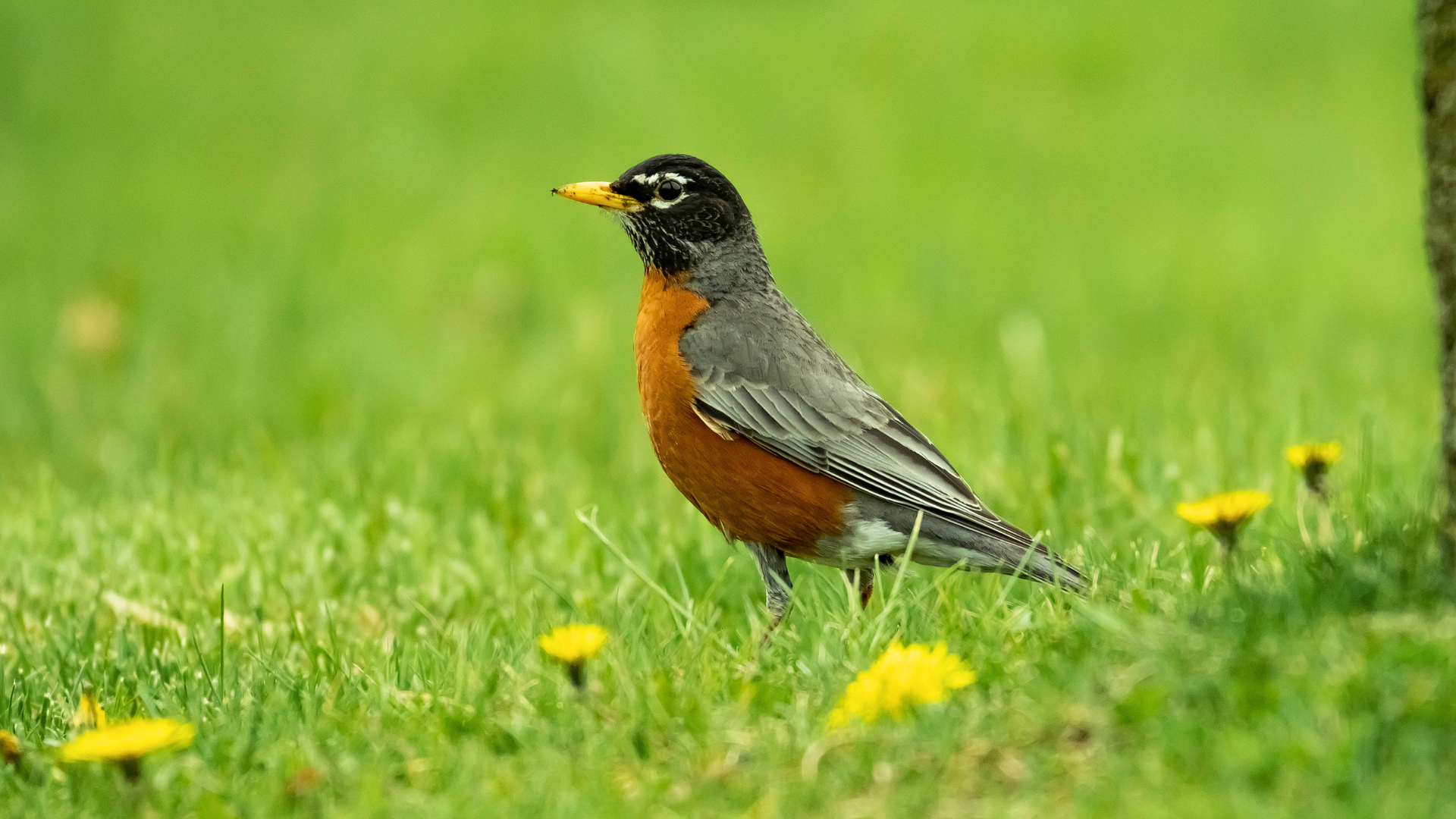

Southeastern Arizona Spring Birding Calendar: April, May, and June in the Sky Islands
SE Arizona spring birding in April, May, and June: Elegant Trogon, hummingbirds, and specialties.
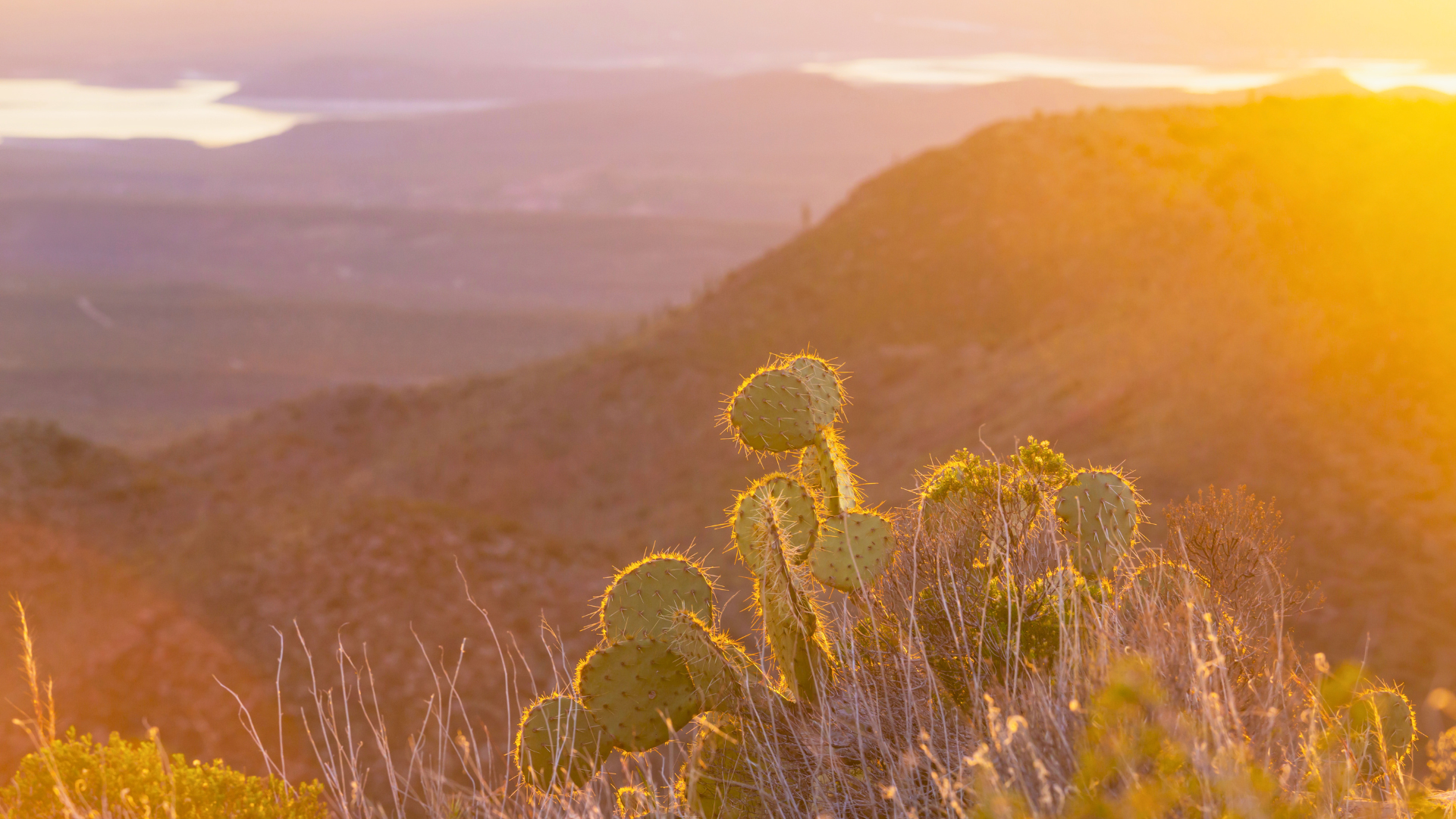
A significant percentage of American birders, if asked to choose their single favorite regional destination, would pick southeastern Arizona. The reasons accumulate quickly once you understand the geography. Isolated mountain ranges rising from desert grassland, each one a biological island in a sea of arid scrub, each harboring species that exist nowhere else north of the Mexican border. A single morning drive from Tucson to the top of Madera Canyon passes through five distinct life zones, from Sonoran Desert to near-boreal conifer forest, each holding a completely different community of birds. Madera Canyon is home to over 250 species of birds, including 15 hummingbird species.
This guide is built as a practical calendar: what to prioritize in April, what shifts in May, and what June uniquely offers for the birder willing to manage the heat. For a first-time visit to the Southwest, we recommend middle to late April to see most of the western migrants and a good representation of southeastern Arizona specialties. But the truth is that each month of the spring season has a distinct character and distinct target species, and the complete Arizona experience rewards multiple visits timed to catch different windows.
The Sky Islands: Understanding What Makes This Place Work
The Chiricahuas rise as one of several sky islands in southeastern Arizona: isolated mountain ranges surrounded by lowland desert or grassland. The sky island concept is not just geography. It is ecology. Each mountain range, rising from a base elevation of roughly 1,000 meters to peaks above 2,700 meters, creates a vertical gradient of temperature, moisture, and vegetation that compresses habitat zones that would normally span hundreds of kilometers of latitude into a single afternoon's drive.
The road to Madera Canyon enters through desert grasslands and ends in juniper-oak woodland, where hiking trails lead up the sky island through pine-oak woodland to montane conifer forest and the top of Mt. Wrightson at elevation 9,453 feet. The spectrum of birds found in these varied habitats includes four tanagers: Summer, Hepatic, Western, and Flame-colored as an occasional breeder.
The Mexican faunal crossover is the other defining quality. A surfeit of habitat diversity, combined with its privileged location on the Mexican border has given Arizona a list of more than 550 species. Species like Elegant Trogon (Trogon elegans), Red-faced Warbler (Cardellina rubrifrons), and Five-striped Sparrow (Amphispizopsis quinquestriata) barely reach the US border here. Southeastern Arizona is not a place where you travel to see North American birds at their finest. It is a place where you stand at the edge of the Mexican tropics.
April: The Arrival of Everything
The overall birding experience is best between mid-April and mid-May, when spring migration kicks into high gear as millions of songbirds make their way north. Nesting specialties such as trogons, warblers, and most hummingbirds and flycatchers are usually present by mid-April.
April is arrival month. The species that define the southeastern Arizona spring experience are coming in, and catching them against the backdrop of still-fresh canyon vegetation before the summer heat arrives is the ideal condition.
The Elegant Trogon: April's Primary Target
The Elegant Trogon sits quietly on a branch with his green back toward you, blending perfectly into the foliage. After five or ten minutes, he might swoop down for an insect, then sit on the next perch for a while. Females are duller, browner and harder to see, even though they too have a red belly. Spring is the best time to find them.
The Elegant Trogon is the bird that draws birders from across North America and beyond to southeastern Arizona. A male in breeding plumage is an extraordinary object: iridescent green above, brilliant rose-red below, with a white breast band and a barred tail. The species is a Mexican breeding bird that just crosses the border into canyon riparian habitat in Arizona, and is almost impossible to find anywhere else in the United States.
Migration explodes in April: Western and Whiskered Screech-Owls, along with Elf and Flammulated Owls, are heard in proper habitat. Specialty warblers and Elegant Trogons arrive, while migrating passerines move through in numbers.
The locating call is the key. The far-reaching, rapid Ku-WARK, Ku-WARK, Ku-WARK echoes through Madera Canyon, sounding like a distant dog barking. Hear this call in the canyon forest and stop immediately. Move slowly toward the sound, looking for a large, upright-sitting bird in the mid-canopy. A trogon that is not alarmed will sit for long periods without moving.
Where to find Elegant Trogons: Madera Canyon in the Santa Rita Mountains is the most accessible site and the starting point for most first-time visitors. Elegant Trogons are most often found along the first mile of either the Super Trail or the Carrie Nation trail. Cave Creek Canyon in the Chiricahua Mountains is equally productive and arguably more spectacular in scenery. In the Huachucas, Elegant Trogons are relatively common in summer along the major canyons.
April Owling: The Peak Window
Owling is usually most productive from late March through May, before family responsibilities distract the birds from vocally advertising their territories. Madera Canyon is known for owls, with Whiskered Screech-Owl (Megascops trichopsis) heard regularly and Elf Owl (Micrathene whitneyi) sometimes nesting in old woodpecker holes in telephone poles.
A night walk in Madera Canyon in April can produce Western Screech-Owl (Megascops kennicottii), Whiskered Screech-Owl, Elf Owl, Flammulated Owl (Psiloscops flammeolus), and in the right canyon, Northern Spotted Owl (Strix occidentalis). The Whiskered Screech-Owl is the specialty: a small owl virtually identical in appearance to the Western but with a faster, more staccato call that once learned is unmistakable.
April Species Highlights
Cave Creek Canyon hosts Montezuma Quail (Cyrtonyx montezumae), Whiskered Screech-Owl, Rivoli's Hummingbird (Eugenes fulgens), Blue-throated Mountain-gem (Lampornis clemenciae), Acorn Woodpecker (Melanerpes formicivorus), Arizona Woodpecker (Dryobates arizonae), Sulphur-bellied Flycatcher (Myiodynastes luteiventris), Hutton's Vireo (Vireo huttoni), Mexican Jay (Aphelocoma wollweberi), and Painted Redstart (Myioborus pictus).
Painted Redstart deserves particular mention as the bird that surprises first-time visitors most forcefully. It is a warbler of the Mexican plateau that reaches the US in Arizona and New Mexico, patterned in red, black, and white, fanning its tail constantly as it moves through the oak understorey. It behaves like no other warbler: bold, conspicuous, apparently indifferent to observers. Seeing a Painted Redstart working the oaks in Madera Canyon for the first time is one of the genuinely astonishing birding experiences available in the US.
May: Peak Diversity, Hummingbirds, and the Full Sky Island Experience
Almost all of southeastern Arizona's specialties have arrived in May, including Tropical and Thick-billed Kingbirds and the extremely localized Buff-collared Nightjar (Antrostomus ridgwayi). Temperatures begin to rise, so an early start in the lowlands followed by higher-elevation birding is the best plan of action.
May is the month when southeastern Arizona is simultaneously at its most diverse and its most demanding. The full complement of breeding species has arrived. The hummingbird feeders are active with multiple species simultaneously. The canyon trails produce encounters with the complete suite of sky island specialties.
The strategy that solves the heat: start low before dawn, move up elevation as the day warms. By 10 AM, move from the desert floor to the mid-elevation canyons. By 1 PM, be at 2,000 meters or above, where temperatures are 10 to 15 degrees cooler and the forest canopy provides shade.
The Hummingbird Feeder Circuit
The superlative quantity and diversity of hummingbirds in southeastern Arizona are probably unmatched in the US. The hummingbird feeder circuit is a strategic itinerary element, not just a pleasant add-on. The feeders at various privately operated sites in the Huachuca Mountains collectively attract different species depending on elevation and habitat, and visiting them in sequence on a May day is the most efficient way to accumulate hummingbird diversity.
At Ash Canyon Bird Sanctuary, a busy feeding station has attracted 15 species of hummingbirds, including Lucifer (Calothorax lucifer), Broad-billed (Cynanthus latirostris), and Rivoli's Hummingbirds as well as Bridled Titmouse (Baeolophus wollweberi), Black-headed Grosbeaks, and Arizona Woodpecker.
The Paton Center for Hummingbirds in Patagonia is the other essential stop, where the dapper Violet-crowned Hummingbird (Ramosomyia violiceps) can be found amid the more common but no less good-looking Broad-billed. The Paton Center, operated by the Tucson Audubon Society, maintains feeders positioned for close observation and knowledgeable volunteers through the season.
Hummingbird feeders within Madera Canyon are typically very productive, with a variety of attendants: regulars include Black-chinned (Archilochus alexandri), Broad-billed, and Rivoli's Hummingbirds, while at other times rarer species like Blue-throated Mountain-gem, Berylline (Saucerottia beryllina), and White-eared Hummingbirds (Basilinna leucotis) have been known to drop in.
The Chiricahuas: May's Crown Jewel
The Chiricahuas rank on every top ten list of birding destinations in the United States. Cave Creek Canyon is a riparian corridor cutting through towering rock formations that are among the most dramatic canyon landscapes in the American Southwest.
In the high-elevation pinelands of the Chiricahuas, look for Arizona Woodpecker, Greater Pewee (Contopus pertinax), Pygmy Nuthatch (Sitta pygmaea), Yellow-eyed Junco (Junco phaeonotus), Hepatic Tanager (Piranga flava) and Short-tailed Hawk (Buteo brachyurus). Nowhere else in the US offers as good a shot at Mexican Chickadee (Poecile sclateri) and Yellow-eyed Junco.
Mexican Chickadee is the Chiricahuas' unique specialty. It is a Mexican species that reaches the US only in these mountains, and its identification from the similar Mountain Chickadee requires attention to the broader black bib and lack of white supercilium. Finding it at Rustler Park in the Chiricahua high country in May, in a mixed flock with Pygmy Nuthatches and Yellow-eyed Juncos, is the kind of birding that justifies the long drive to Portal.
The San Pedro River: May's Underrated Gem
The San Pedro River, flowing north from Mexico through the valley east of Sierra Vista, is one of the last free-flowing rivers in the American Southwest and one of the most important bird migration corridors in the region. The cottonwood-willow gallery forest along the San Pedro concentrates migrants in spring and supports breeding species including Yellow Warbler (Setophaga petechia), Yellow-breasted Chat (Icteria virens), Bell's Vireo (Vireo bellii), and Gray Hawk (Buteo plagiatus). The San Pedro House, operated by the Bureau of Land Management, is the best access point.
June: Late Arrivals, Heat Management, and the Reward of Patience
Hot and dry in the lowlands in June, but late arrivals such as Sulphur-bellied Flycatcher (Myiodynastes luteiventris) and Yellow-billed Cuckoo (Coccyzus americanus) are now being seen. A trip up one of the Sky Islands will afford cooler temperatures and Red-faced, Grace's (Setophaga graciae) and Olive Warblers (Peucedramus taeniatus).
June is the month most visitors skip. This is a mistake, and it is the month that separates the dedicated from the casual. The heat in the lowlands is real, but the sky island canyons at 1,800 to 2,500 meters are 15 to 20 degrees cooler, and the birding in June has two things that neither April nor May can offer: the Sulphur-bellied Flycatcher and a quieter experience.
The Sulphur-bellied Flycatcher: June's Defining Species
The Sulphur-bellied Flycatcher is a late arrival, appearing in the canyons in late May and reaching full abundance in June. It is a large, boldly streaked flycatcher with a yellow-washed belly and a rasping, squeaky call unlike any other North American flycatcher. It nests in old woodpecker holes in large sycamores, typically in the mid-elevation canyons of the Huachucas and Santa Ritas, and is one of the species that genuinely requires a June visit to experience at its best.
Sulphur-bellied Flycatcher and Painted Redstart are among the many species that summer in the canyon, and the Upper Picnic Area on Fort Huachuca offers great, easy birding with Sulphur-bellied Flycatcher, Painted Redstart and Elegant Trogon regular here in season.
The June Elevation Strategy
The practical field craft for June is to drive directly to the canyon trailhead at first light, before the heat builds, and bird the elevation where the temperatures are already manageable. By 6 AM in Madera Canyon or Cave Creek Canyon at 1,800 meters, the temperature is pleasant and the birds are maximally active. By noon, the canyon is still comfortable when the desert floor has become uninhabitable for birding.
June-Only Opportunities
Varied Bunting (Passerina versicolor) and Botteri's Sparrow (Peucaea botterii) initiate their breeding season and are more visible than at other times of year. Varied Bunting, the purple-and-red jewel of the canyon margins, is at its most conspicuous in June when males are singing from exposed perches along the lower canyon slopes.
The potential for a vagrant like Yellow Grosbeak (Pheucticus chrysopeplus) drives birders to brave the hotter days. June is vagrant season in southeastern Arizona, when Mexican species displaced by weather systems appear unpredictably at canyon feeders. Yellow Grosbeak, Flame-colored Tanager (Piranga bidentata), and Tufted Flycatcher (Mitrephanes phaeocercus) have all been recorded at canyon feeders in June, drawing birders from across the continent within hours of a sighting report.
The Four Essential Sites: A Practical Overview
Madera Canyon, Santa Rita Mountains. One of the most famous birding areas in the United States, a north-facing valley with riparian woodland along an intermittent stream, bordered by mesquite, juniper-oak woodlands, and pine forests. Start at the Proctor Road parking area for lowland species, work up through the picnic areas for mid-elevation canyon birds, and hike the first mile of the Super Trail for Elegant Trogon. The feeders at Santa Rita Lodge are operated throughout the season and produce consistent hummingbird diversity.
Cave Creek Canyon, Chiricahua Mountains. Many birders enter the Chiricahuas through the small town of Portal, just four miles from the New Mexico state line. Drive the canyon road slowly, stopping at every pullout. Bird the Southwest Research Station area for the full canyon species complement. Drive to Rustler Park at 2,700 meters for Mexican Chickadee and the high-country specialties.
Miller, Ramsey, and Ash Canyons, Huachuca Mountains. The superlative quantity and diversity of hummingbirds are probably unmatched in the US, and nowhere else north of Mexico are Buff-breasted Flycatchers (Empidonax fulvifrons) more common. Ash Canyon Bird Sanctuary has the most productive hummingbird feeders. Ramsey Canyon Preserve, operated by The Nature Conservancy, gives access to the middle-elevation sycamore forest where trogons and Sulphur-bellied Flycatchers are most reliably found.
The Patagonia-Sonoita Area. Patagonia Lake State Park produces waterbirds and riparian species. The Paton Center is the essential hummingbird feeder stop. The Patagonia Roadside Rest Area has a legendary birding reputation: a narrow strip of riparian vegetation beside the highway that has produced an extraordinary list of Mexican rarities over the decades.
Practical Logistics
Base: Tucson is the most practical base for Madera Canyon and Patagonia access. Sierra Vista, located at the base of the Huachucas, is the best base for the Huachuca circuit and San Pedro River. Portal is a tiny community with limited accommodation but is the closest base for the Chiricahuas.
Books: Before any trip, we highly recommend purchasing at least one of the two excellent bird-finding guides to southeast Arizona: Finding Birds in Southeast Arizona, produced by the Tucson Audubon Society, and A Birder's Guide to Southeastern Arizona by Rick Taylor, part of the ABA/Lane Birdfinding Guide series.
Weather: Spring weather is as variable here as anywhere. Typical conditions are cold to cool nights and cool to warm days, often with high winds, but late winter storms can bring cold rain to the valleys and snow to the mountains as late as early May. Carry layers in April and May, and plan for hot desert temperatures alternating with cool canyon temperatures on the same day.
Resources: The Southeastern Arizona Bird Observatory (SABO) maintains the most comprehensive current information on southeastern Arizona birding, including site guides, species accounts, and event calendars.
The Short Version
The overall birding experience is best between mid-April and mid-May. April brings the Elegant Trogon's arrival, the owl peak, and the full complement of canyon species. May brings maximum hummingbird diversity, Mexican Chickadee in the Chiricahuas, and the complete sky island experience across all elevation bands. June brings the Sulphur-bellied Flycatcher, vagrant potential, and a quieter experience for birders willing to manage the heat with an elevation strategy.
Start at Madera Canyon. Find the Trogon. Drive to the Chiricahuas. Find the Mexican Chickadee. Work the Huachuca feeder circuit. Stand at the Paton Center with a cold drink and watch the Violet-crowned Hummingbirds come in. Whatever month you are there, the sky islands will deliver something extraordinary.
The allure of off-the-beaten-path travel
Lorem ipsum dolor sit amet, consectetur adipiscing elit ut aliquam, purus sit amet luctus venenatis, lectus magna fringilla urna, porttitor rhoncus dolor purus non enim praesent elementum facilisis leo, vel fringilla est ullamcorper eget nulla facilisi etiam dignissim diam quis enim lobortis scelerisque fermentum dui faucibus in ornare quam viverra orci sagittis eu volutpat odio facilisis mauris sit amet massa vitae tortor.
Unveiling the charm of lesser-known Destinations
Orci sagittis eu volutpat odio facilisis mauris sit amet massa vitae tortor condimentum lacinia quis vel eros donec ac odio tempor orci dapibus ultrices in iaculis nunc sed augue lacus.
- Lorem ipsum dolor sit amet consectetur facilisi etiam dignissim diam quis enim
- Mauris aliquet faucibus iaculis dui vitae ullamco sit amet luctus
- Posuere enim mi pharetra neque proin dic rhoncus dolor purus non enim
- Dui faucibus in ornare posuere enim mi pharetra neque proin dicit
Finding solitude in hidden gem locations
Lorem ipsum dolor sit amet, consectetur adipiscing elit ut aliquam, purus sit amet luctus venenatis, lectus magna fringilla urna, porttitor rhoncus dolor purus non enim praesent elementum facilisis leo, vel fringilla est ullamcorper eget nulla facilisi etiam dignissim diam quis enim lobortis scelerisque fermentum dui faucibus in ornare quam viverra orci sagittis eu volutpat odio facilisis mauris sit amet massa vitae tortor condimentum lacinia quis vel eros donec ac odio tempor orci dapibus ultrices.
The thrill of discovering untouched natural beauty
Dolor sit amet, consectetur adipiscing elit ut aliquam, purus sit amet luctus venenatis, lectus magna fringilla urna, porttitor rhoncus dolor purus non enim praesent elementum facilisis leo, vel fringilla est ullamcorper eget nulla.
- Lorem ipsum dolor sit amet consectetur tempor orci dapibus ultrices
- Mauris aliquet faucibus iaculis dui vitae ullamco elementum facilisis
- Posuere enim mi pharetra neque proin dic fermentum dui faucibus in ornare
- Purus sit amet luctus posuere enim mi pharetra neque proin dic
“Ut enim ad minim veniam, quis nostrud exercitation ullamco laboris nisi ut aliquip ex ea commodo consequat uis aute irure dolor in reprehenderit in voluptate velit”
Exploring cultural marvels off the tourist radar
Donsectetur adipiscing elit ut aliquam, purus sit amet luctus venenatis, lectus magna fringilla urna, porttitor rhoncus dolor purus non enim praesent elementum facilisis leo, vel fringilla est ullamcorper eget nulla facilisi etiam dignissim diam quis enim lobortis scelerisque fermentum dui faucibus in ornare quam viverra orci sagittis eu volutpat odio facilisis mauris sit amet massa vitae tortor condimentum lacinia quis vel eros donec ac odio tempor orci dapibus ultrices in iaculis nunc sed.