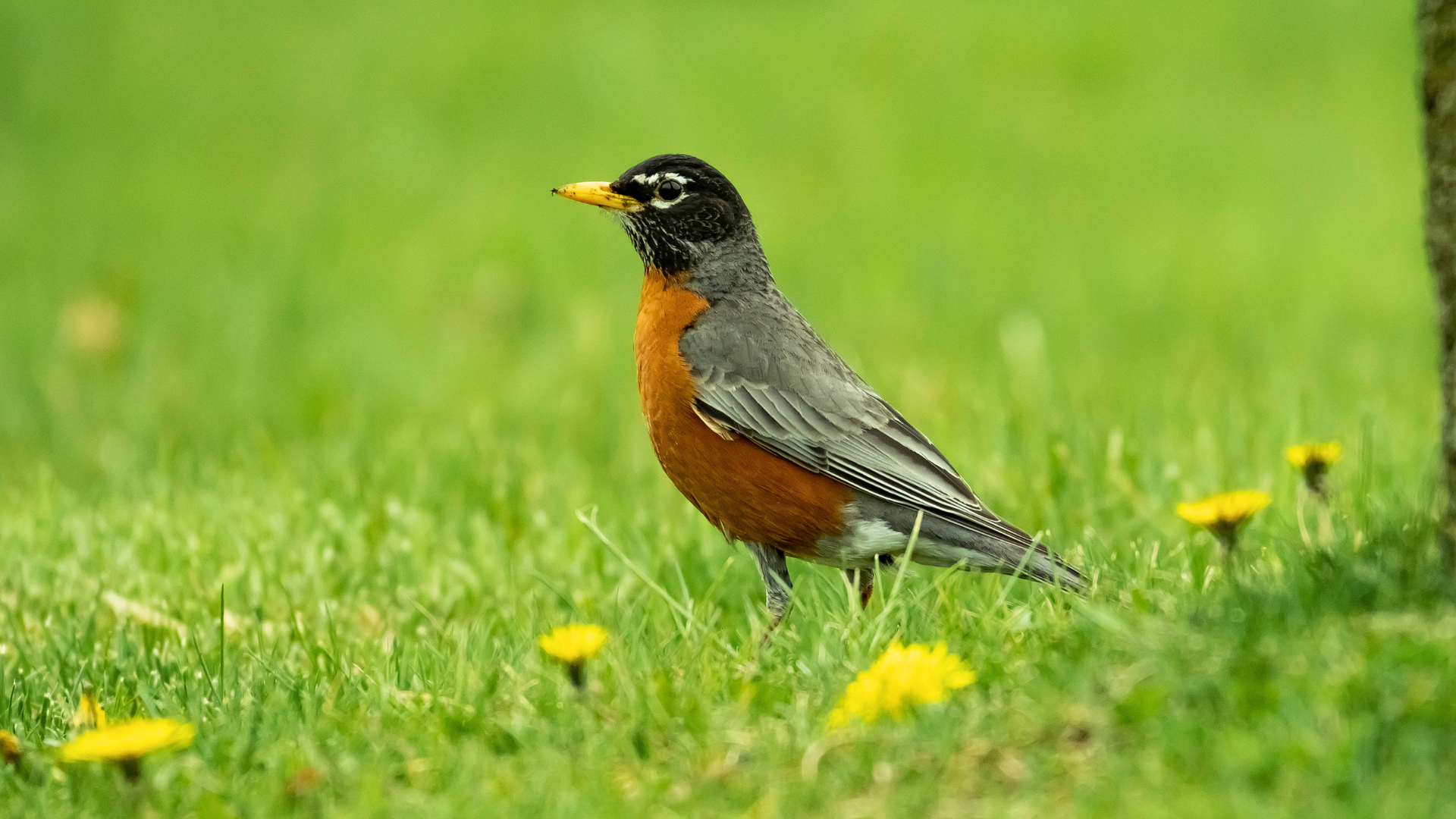

How American Goldfinches Change Color in Spring: A Week-by-Week Guide
The American Goldfinch spring molt runs February through May. Here's the week-by-week guide.
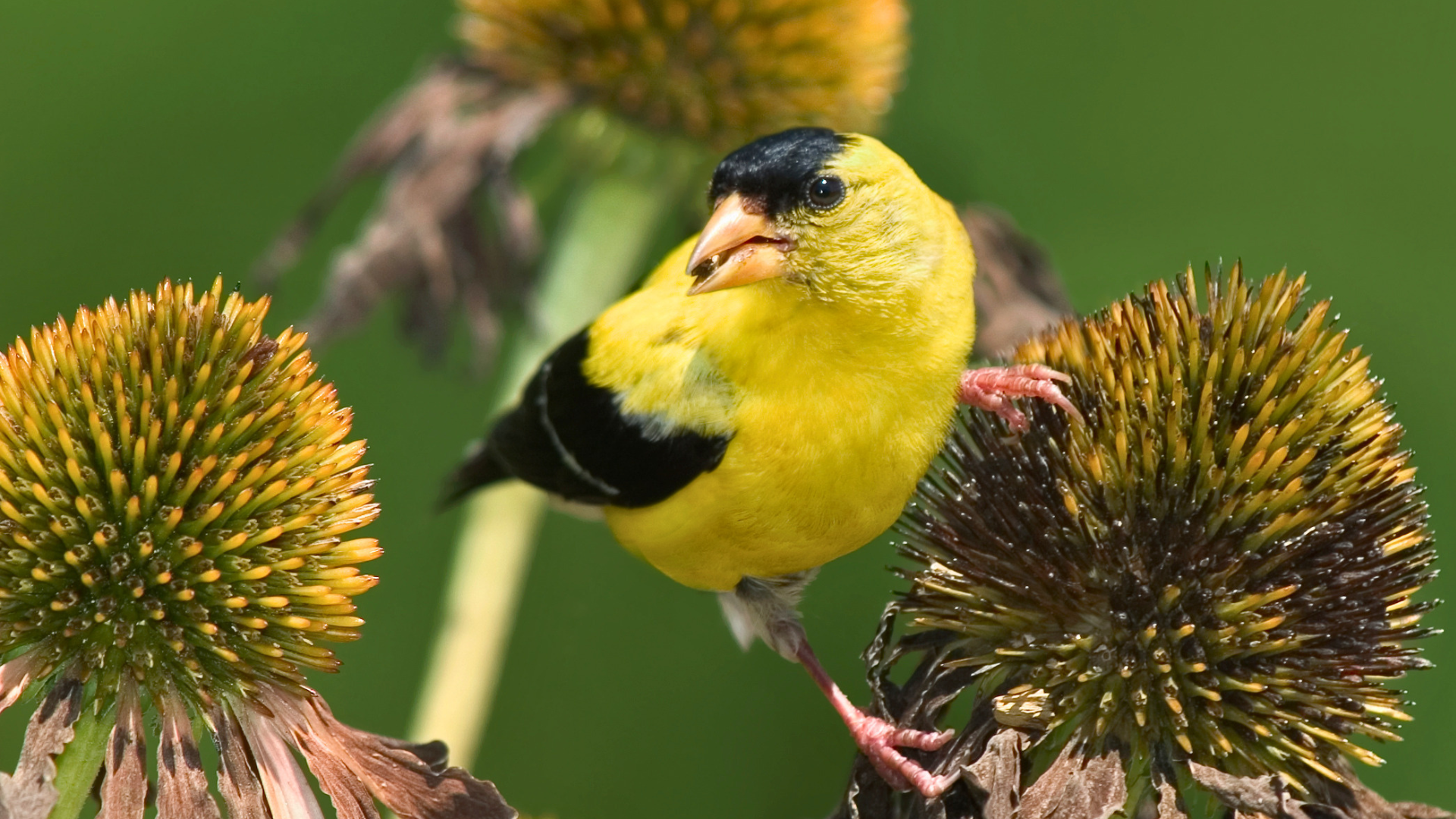
If you watch carefully at your feeder through February and March, you can see it happening. Not all at once. Not overnight. One morning you notice the male that has been olive-brown all winter looks slightly more yellow around the face. A week later, the yellow has spread to his throat. Two weeks after that, there is an unmistakably bright patch on his breast that was not there before. By May, the bird wearing dull winter colors is gone entirely, replaced by something that looks like it was painted by someone who ran out of restraint: brilliant lemon yellow body, jet black cap, white wing bars sharp and clean against the black flight feathers.
The transformation is one of the most visible and gradual seasonal changes at any feeder in North America, and understanding what is driving it makes every week of watching more satisfying. This guide takes you through the biology behind the molt, the week-by-week timeline of what you will see, and the specific details that most guides leave out.
The Biology: Two Mechanisms, Not One
Most birders know that goldfinches change color in spring. Fewer know that the transformation involves two completely different biological mechanisms happening simultaneously on the same bird.
Mechanism one: the partial spring molt. This is a partial molt that occurs in late winter to early spring, typically February to April, in anticipation of the breeding season. During this molt, male American Goldfinches replace most of their body and head feathers, but they retain their black wing and tail feathers from the previous fall's complete molt.
As daylight hours increase in spring, a phenomenon called photoperiodism, it triggers hormonal changes in the bird's body, particularly an increase in testosterone in males. Testosterone directly influences the feather follicles, stimulating them to produce new feathers with a much higher concentration of carotenoid pigments.
The brilliant lemon yellow of a male in full breeding plumage is a color produced by carotenoid pigments from plant materials in its diet. The goldfinch cannot manufacture carotenoids internally. It has to eat them, extracting yellow pigments from seeds such as nyjer and sunflower. A well-fed male at a well-stocked feeder through winter and early spring has the raw material for a more intense transformation than a bird that has been nutritionally stressed. Your feeder is not just keeping the birds alive. It is actively influencing how bright they become.
Mechanism two: the reverse fade. While the wings and tail feathers are not molted in spring, their appearance changes. The buffy edges and tips of these feathers, which were present in the non-breeding plumage, wear away over the winter and early spring. This wear reveals the underlying, more intense black of the flight feathers and the bright white patches and bars, making them appear sharper and more prominent by the breeding season. This is often referred to as a reverse fade or uncovering of color.
In plain terms: the wings get blacker and sharper not because new feathers are growing, but because the pale edges of old feathers are physically wearing away. The same feathers that looked brownish and soft-edged in October look crisp black and white in May simply because weeks of normal activity have rubbed away the buffy fringe. You are watching erosion reveal the pattern underneath.
The Bill: The Most Sensitive Color Indicator
Here is the detail that transforms feeder watching from casual observation to genuine monitoring: the bill.
The beak is small, conical, and pink for most of the year, but turns bright orange with the spring molt in both sexes. During spring, the bill gradually changes color, from the base of the bill outwards, to orange-yellow at the extreme end. A dark tip persists. During the breeding season, the bill is more intensely colored in males than in females.
Plumage color is relatively static, as pigments incorporated into feathers during the spring molt cannot be mobilized thereafter. In contrast, bill color is dynamic, reflecting changes in condition over short time periods.
This is the key practical insight: the bill tells you something the feathers cannot. Once a feather is grown, its color is fixed. But the bill's orange color reflects current physiological condition, changing over days and weeks as the bird's health and diet shift. A goldfinch with an intensely orange bill is signaling something about its current condition that its feathers, fixed in February, cannot show.
For the feeder watcher, the bill color change is the earliest and most reliable spring indicator. Watch for the first hint of orange at the bill base in late February or early March, before the body plumage has meaningfully changed. That bill warming is the first signal that the transformation has begun.
Week-by-Week: What You Will See at the Feeder
Late January to mid-February: Males are in full winter plumage, olive-brown above, dull yellowish below. The bill is dark slate-grey. Wing bars are broad and buffy. Nothing suggests the coming transformation if you do not know to look for it. Watch the bill base closely.
Late February: The first sign of spring molt appears, especially around the head. You may notice a slightly brighter yellow tone appearing on the forehead or face of some males. The bill may show the first hint of warmth at the base. Individual birds vary: some are early molters, some late. Your feeder flock will not transform in unison.
Early to mid-March: The yellow is spreading. The face and throat of advanced males are noticeably brighter. The bill has shifted from slate toward orange, often most visible at the base. The wings still show broad buffy bars from the complete fall molt, but look for the first signs of those buffy edges beginning to narrow.
Late March to early April: The transformation is unmistakable. Body feathers are mostly replaced on advanced males. The black cap is emerging, initially mottled with olive-brown remnants but increasingly defined. The contrast between bright yellow body and retained darker wings creates a slightly patchy look as old and new feathers coexist.
April: Most adult males are in or near full breeding plumage. The new body feathers grow in bright yellow. For the head, the duller winter feathers are replaced by glossy black feathers forming the distinctive cap. The bill is orange. Wing bars are now white and sharp, the buffy edges having worn away. The bird at your feeder in late April looks like a different species from the one that was there in January.
May onward: Full breeding plumage. The body of the male is a brilliant lemon yellow with a striking jet black cap and white rump visible during flight. This is peak display plumage. The male is advertising his quality to every female in range.
The Late Nesting Paradox
Here is the fact that surprises most backyard birders who have been watching the spring transformation: after all this elaborate preparation, the American Goldfinch does not actually nest until June or July.
American Goldfinches breed later than most North American birds. They wait to nest until June or July when milkweed, thistle, and other plants have produced their fibrous seeds, which goldfinches incorporate into their nests and also feed their young.
Think about what this means. A male enters breeding plumage in April or May, spends weeks in full display condition, and then waits another month or two before nesting begins. The molt is timed to the length of the day, not to the availability of the seed crops the species depends on for nesting. The result is a bird that is biologically ready to breed months before its food supply is ready to support nesting. The transformation you watch at the feeder in March is not the opening act of nesting. It is a prelude to a prelude.
The Cowbird Immunity: A Consequence of Late Nesting
Goldfinches are among the strictest vegetarians in the bird world, selecting an entirely vegetable diet and only inadvertently swallowing an occasional insect. When Brown-headed Cowbirds (Molothrus ater) lay eggs in an American Goldfinch nest, the cowbird egg may hatch but the nestling seldom survives longer than three days. The cowbird chick simply cannot survive on the all-seed diet that goldfinches feed their young.
This is one of the more elegant ecological coincidences in North American bird life. Brood parasitism by Brown-headed Cowbirds is one of the most significant threats to songbird reproduction across the continent. The goldfinch's late nesting, driven by its dependence on late-season seed crops, happens to coincide with a period when cowbirds are less actively laying. And even when a cowbird does manage to parasitize a goldfinch nest, the cowbird chick starves on the goldfinch's all-seed diet. The late nesting that looks like a disadvantage turns out to confer near-immunity to one of the most damaging forces in songbird ecology.
The Flight Call: Finding Goldfinches When You Cannot See Them
Their po-ta-to-chip flight call draws attention to them in open country. This call, often rendered as per-chick-o-ree or po-ta-to-chip, is given almost constantly in flight and is one of the most distinctive and recognizable sounds in the spring landscape. Once you know it, you will hear goldfinches crossing overhead in places you would never think to look for them: over city rooftops, above suburban streets, moving between patches of thistle in open agricultural land.
American Goldfinches are unusual among songbirds, and apparently unique among their finch relatives, in effectively changing their overall color twice a year: a late-summer molt into drab winter feathers, followed by a late-winter molt back into bright breeding colors. The flight call is the connective thread between both versions of the bird. In January, a dull olive flock calling po-ta-to-chip overhead. In May, the same call, now coming from birds that are unmistakably, brilliantly yellow. Same sound, same species, completely different appearance.
Feeder Tips for the Transformation Window
The spring molt is the window when feeder quality matters most directly to the birds' appearance. Carotenoids are responsible for the vibrant yellow, orange, and red hues in bird feathers. Goldfinches must obtain these carotenoids through their diet, from seeds like thistle and sunflower, which contain the necessary plant pigments.
Keep nyjer and black-oil sunflower seed fresh and available through February, March, and April. Stale or empty feeders during the molt window directly affect the brightness of the plumage the birds are growing. A male that has been nutritionally stressed through late winter will grow duller yellow feathers than a male with consistent access to carotenoid-rich seed.
A tube feeder with multiple ports allows the social flocking behavior goldfinches prefer. They are comfortable feeding in close proximity to each other in a way that most other feeder species are not. A feeder with eight ports will hold eight goldfinches simultaneously, and in April that can mean eight birds at different stages of the transformation visible at the same moment.
The Short Version
The American Goldfinch spring transformation runs from late February through May, driven by two simultaneous processes: new carotenoid-rich body feathers replacing dull winter plumage, and the physical wearing away of buffy wing feather edges that reveals the crisp black and white underneath. Watch the bill first: the shift from slate-grey to orange at the base is the earliest reliable indicator that the molt has begun. Keep your feeders stocked with fresh nyjer through the transformation window. Go outside when you hear po-ta-to-chip.
If you watch carefully, you can see the change happening gradually. Day by day, week by week, a dull olive bird becomes something brilliant. It is one of the most rewarding things a feeder has to offer.
The allure of off-the-beaten-path travel
Lorem ipsum dolor sit amet, consectetur adipiscing elit ut aliquam, purus sit amet luctus venenatis, lectus magna fringilla urna, porttitor rhoncus dolor purus non enim praesent elementum facilisis leo, vel fringilla est ullamcorper eget nulla facilisi etiam dignissim diam quis enim lobortis scelerisque fermentum dui faucibus in ornare quam viverra orci sagittis eu volutpat odio facilisis mauris sit amet massa vitae tortor.

Unveiling the charm of lesser-known Destinations
Orci sagittis eu volutpat odio facilisis mauris sit amet massa vitae tortor condimentum lacinia quis vel eros donec ac odio tempor orci dapibus ultrices in iaculis nunc sed augue lacus.
- Lorem ipsum dolor sit amet consectetur facilisi etiam dignissim diam quis enim
- Mauris aliquet faucibus iaculis dui vitae ullamco sit amet luctus
- Posuere enim mi pharetra neque proin dic rhoncus dolor purus non enim
- Dui faucibus in ornare posuere enim mi pharetra neque proin dicit
Finding solitude in hidden gem locations
Lorem ipsum dolor sit amet, consectetur adipiscing elit ut aliquam, purus sit amet luctus venenatis, lectus magna fringilla urna, porttitor rhoncus dolor purus non enim praesent elementum facilisis leo, vel fringilla est ullamcorper eget nulla facilisi etiam dignissim diam quis enim lobortis scelerisque fermentum dui faucibus in ornare quam viverra orci sagittis eu volutpat odio facilisis mauris sit amet massa vitae tortor condimentum lacinia quis vel eros donec ac odio tempor orci dapibus ultrices.
The thrill of discovering untouched natural beauty
Dolor sit amet, consectetur adipiscing elit ut aliquam, purus sit amet luctus venenatis, lectus magna fringilla urna, porttitor rhoncus dolor purus non enim praesent elementum facilisis leo, vel fringilla est ullamcorper eget nulla.
- Lorem ipsum dolor sit amet consectetur tempor orci dapibus ultrices
- Mauris aliquet faucibus iaculis dui vitae ullamco elementum facilisis
- Posuere enim mi pharetra neque proin dic fermentum dui faucibus in ornare
- Purus sit amet luctus posuere enim mi pharetra neque proin dic
“Ut enim ad minim veniam, quis nostrud exercitation ullamco laboris nisi ut aliquip ex ea commodo consequat uis aute irure dolor in reprehenderit in voluptate velit”
Exploring cultural marvels off the tourist radar
Donsectetur adipiscing elit ut aliquam, purus sit amet luctus venenatis, lectus magna fringilla urna, porttitor rhoncus dolor purus non enim praesent elementum facilisis leo, vel fringilla est ullamcorper eget nulla facilisi etiam dignissim diam quis enim lobortis scelerisque fermentum dui faucibus in ornare quam viverra orci sagittis eu volutpat odio facilisis mauris sit amet massa vitae tortor condimentum lacinia quis vel eros donec ac odio tempor orci dapibus ultrices in iaculis nunc sed.