
White-Throated Caracara: Patagonia's Bold Mountain Raptor
The White-throated Caracara is one of Patagonia’s most striking high-altitude raptors. This guide explains where it’s found, the best places to see it, and practica
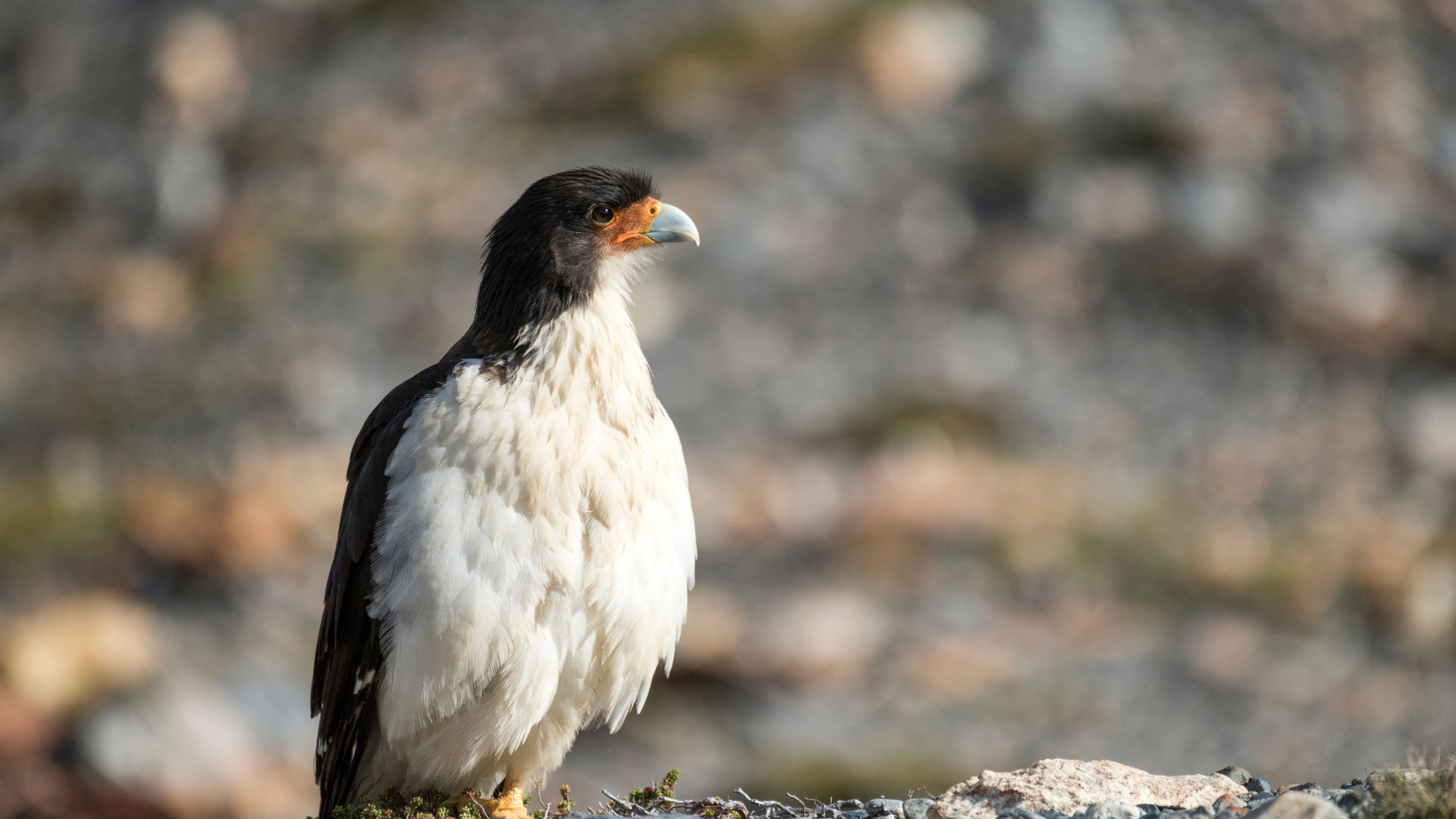
The White-throated Caracara is one of Patagonia’s most charismatic birds of prey. Bold, curious, and highly adaptable, this Andean species is often encountered in dramatic mountain settings where few other raptors venture.
Where Is the White-throated Caracara Found?
The White-throated Caracara is primarily associated with high-altitude environments along the Andes, favoring open alpine landscapes, rocky slopes, and windswept mountain passes.
In Patagonia, it is most frequently observed:
- In mountainous regions of southern Chile and Argentina
- At higher elevations near glaciers and alpine lakes
- Along exposed ridgelines and open valleys
Its presence is closely tied to rugged terrain and strong winds, which it uses effortlessly for soaring.
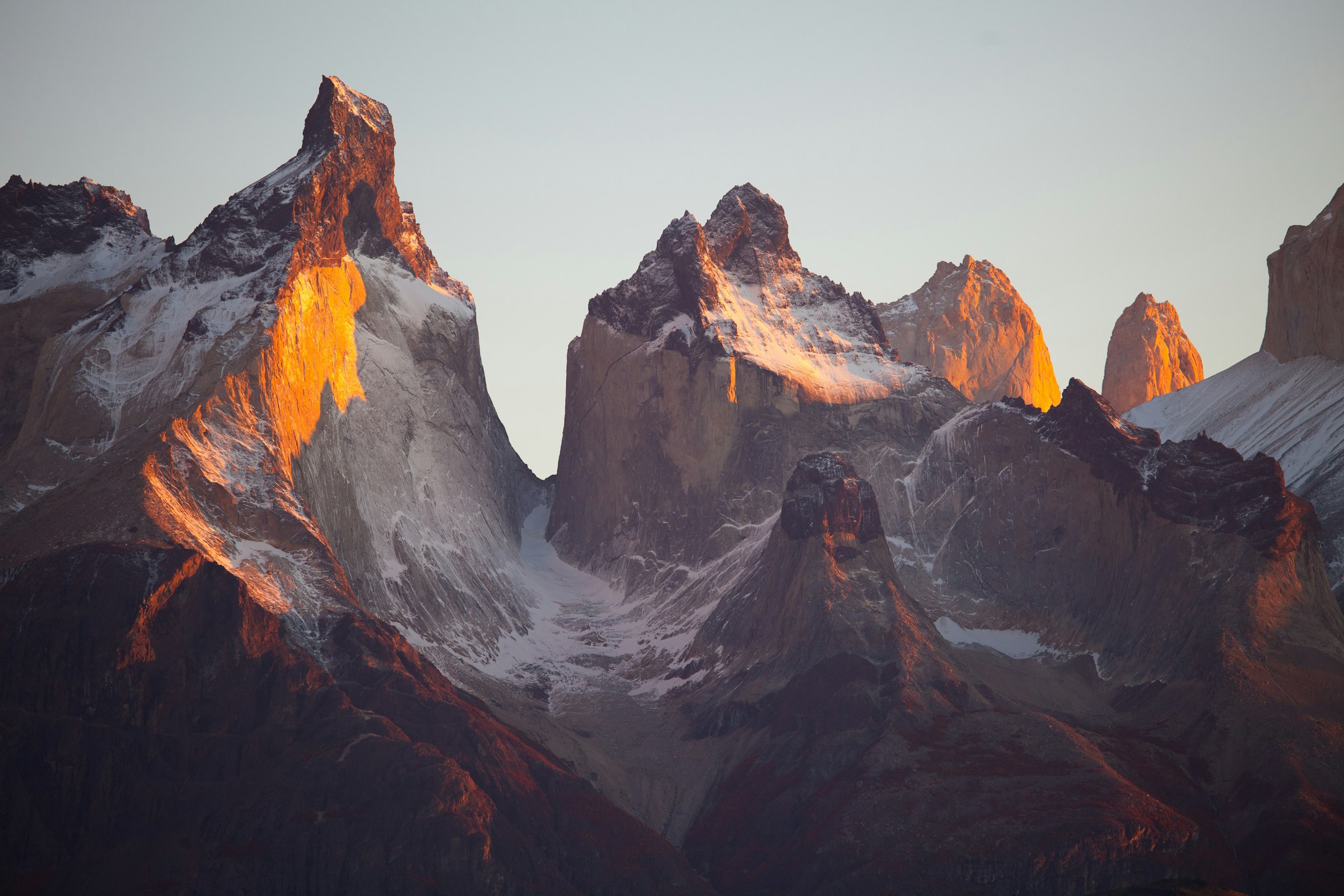
Best Places to See the White-throated Caracara in Patagonia
Torres del Paine National Park
Torres del Paine is one of the most reliable locations to observe this species:
- Frequently seen along popular hiking trails
- Often forages near viewpoints and resting areas
- Regularly soars low over ridges and valleys
The caracara’s curiosity means it may approach hikers, especially in exposed areas with steady foot traffic.
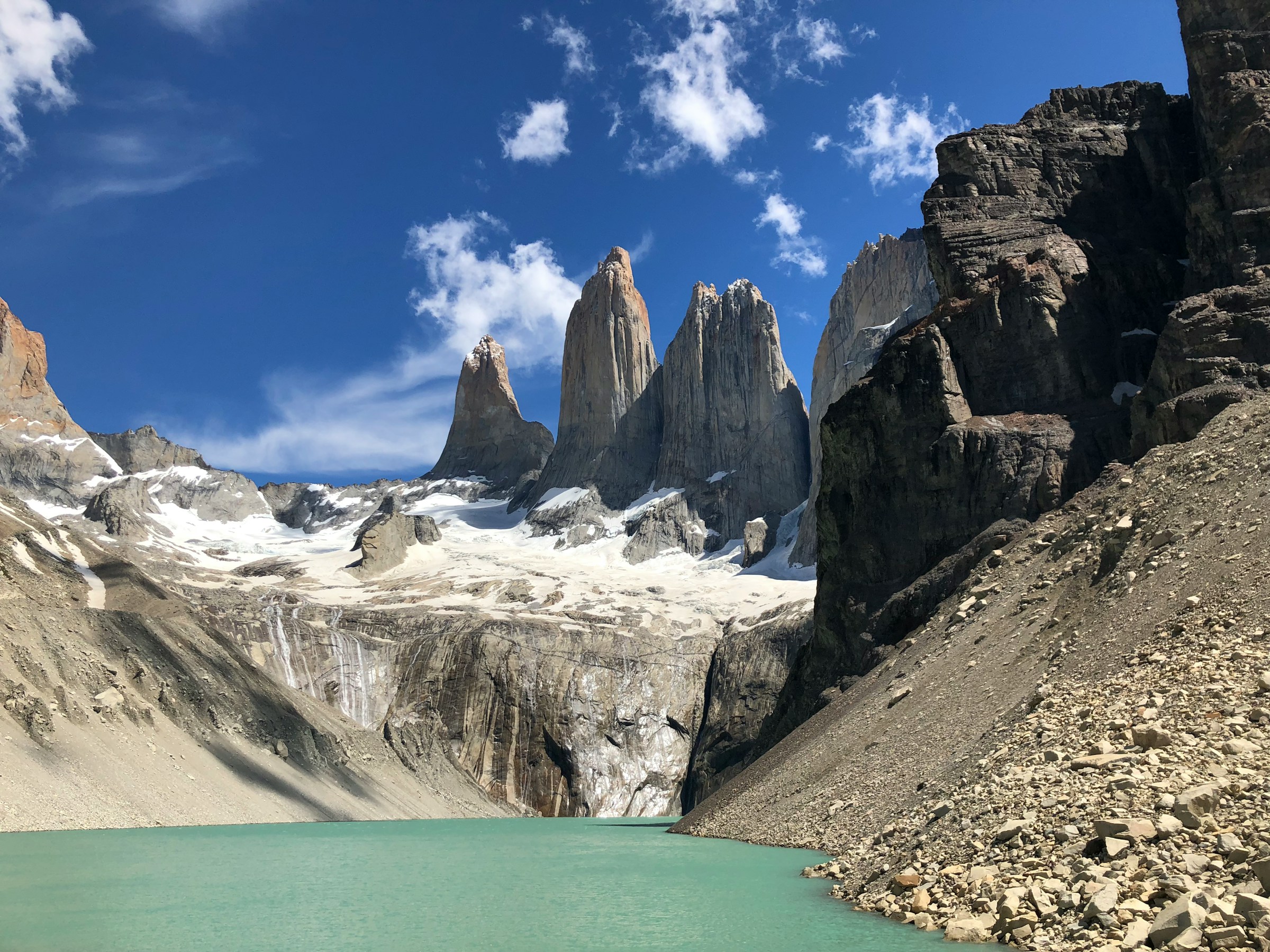
Fitz Roy Trail & Laguna de los Tres (El Chaltén)
One of the best spots in all of Patagonia to see the White-throated Caracara is near Laguna de los Tres, at the top of the Fitz Roy Trail:
- Birds often soar extremely close to observers
- Excellent visibility near the lake and final ascent
- High winds and steep terrain create ideal conditions
Patience at the summit is often rewarded with dramatic fly-bys.

Behavior and What to Look For
White-throated Caracaras are:
- Strong, confident fliers
- Often seen gliding rather than flapping
- Opportunistic foragers that may investigate human activity
Unlike more elusive raptors, this species is often conspicuous, especially in open alpine settings.
Tips for Seeing the White-throated Caracara
- Spend time at high-elevation viewpoints
- Scan ridgelines and open sky near summits
- Pause and observe near popular trails — birds often circle back
- Windy days can improve soaring activity
Early arrival at iconic viewpoints also reduces crowds and improves observation quality.
How This Fits Into a Patagonia Birding Trip
The White-throated Caracara pairs well with birding routes through:
- El Chaltén and Fitz Roy
- Torres del Paine National Park
- High-altitude Andean trails
It is often observed alongside other Patagonian raptors and alpine specialists.
Planning Your Patagonia Birding Experience
Patagonia’s mountain environments offer unique opportunities to observe birds adapted to extreme conditions. Spending time at elevation, watching the sky, and allowing for stillness often leads to unforgettable encounters with species like the White-throated Caracara.
The allure of off-the-beaten-path travel
Lorem ipsum dolor sit amet, consectetur adipiscing elit ut aliquam, purus sit amet luctus venenatis, lectus magna fringilla urna, porttitor rhoncus dolor purus non enim praesent elementum facilisis leo, vel fringilla est ullamcorper eget nulla facilisi etiam dignissim diam quis enim lobortis scelerisque fermentum dui faucibus in ornare quam viverra orci sagittis eu volutpat odio facilisis mauris sit amet massa vitae tortor.
Unveiling the charm of lesser-known Destinations
Orci sagittis eu volutpat odio facilisis mauris sit amet massa vitae tortor condimentum lacinia quis vel eros donec ac odio tempor orci dapibus ultrices in iaculis nunc sed augue lacus.
- Lorem ipsum dolor sit amet consectetur facilisi etiam dignissim diam quis enim
- Mauris aliquet faucibus iaculis dui vitae ullamco sit amet luctus
- Posuere enim mi pharetra neque proin dic rhoncus dolor purus non enim
- Dui faucibus in ornare posuere enim mi pharetra neque proin dicit
Finding solitude in hidden gem locations
Lorem ipsum dolor sit amet, consectetur adipiscing elit ut aliquam, purus sit amet luctus venenatis, lectus magna fringilla urna, porttitor rhoncus dolor purus non enim praesent elementum facilisis leo, vel fringilla est ullamcorper eget nulla facilisi etiam dignissim diam quis enim lobortis scelerisque fermentum dui faucibus in ornare quam viverra orci sagittis eu volutpat odio facilisis mauris sit amet massa vitae tortor condimentum lacinia quis vel eros donec ac odio tempor orci dapibus ultrices.
The thrill of discovering untouched natural beauty
Dolor sit amet, consectetur adipiscing elit ut aliquam, purus sit amet luctus venenatis, lectus magna fringilla urna, porttitor rhoncus dolor purus non enim praesent elementum facilisis leo, vel fringilla est ullamcorper eget nulla.
- Lorem ipsum dolor sit amet consectetur tempor orci dapibus ultrices
- Mauris aliquet faucibus iaculis dui vitae ullamco elementum facilisis
- Posuere enim mi pharetra neque proin dic fermentum dui faucibus in ornare
- Purus sit amet luctus posuere enim mi pharetra neque proin dic
“Ut enim ad minim veniam, quis nostrud exercitation ullamco laboris nisi ut aliquip ex ea commodo consequat uis aute irure dolor in reprehenderit in voluptate velit”
Exploring cultural marvels off the tourist radar
Donsectetur adipiscing elit ut aliquam, purus sit amet luctus venenatis, lectus magna fringilla urna, porttitor rhoncus dolor purus non enim praesent elementum facilisis leo, vel fringilla est ullamcorper eget nulla facilisi etiam dignissim diam quis enim lobortis scelerisque fermentum dui faucibus in ornare quam viverra orci sagittis eu volutpat odio facilisis mauris sit amet massa vitae tortor condimentum lacinia quis vel eros donec ac odio tempor orci dapibus ultrices in iaculis nunc sed.