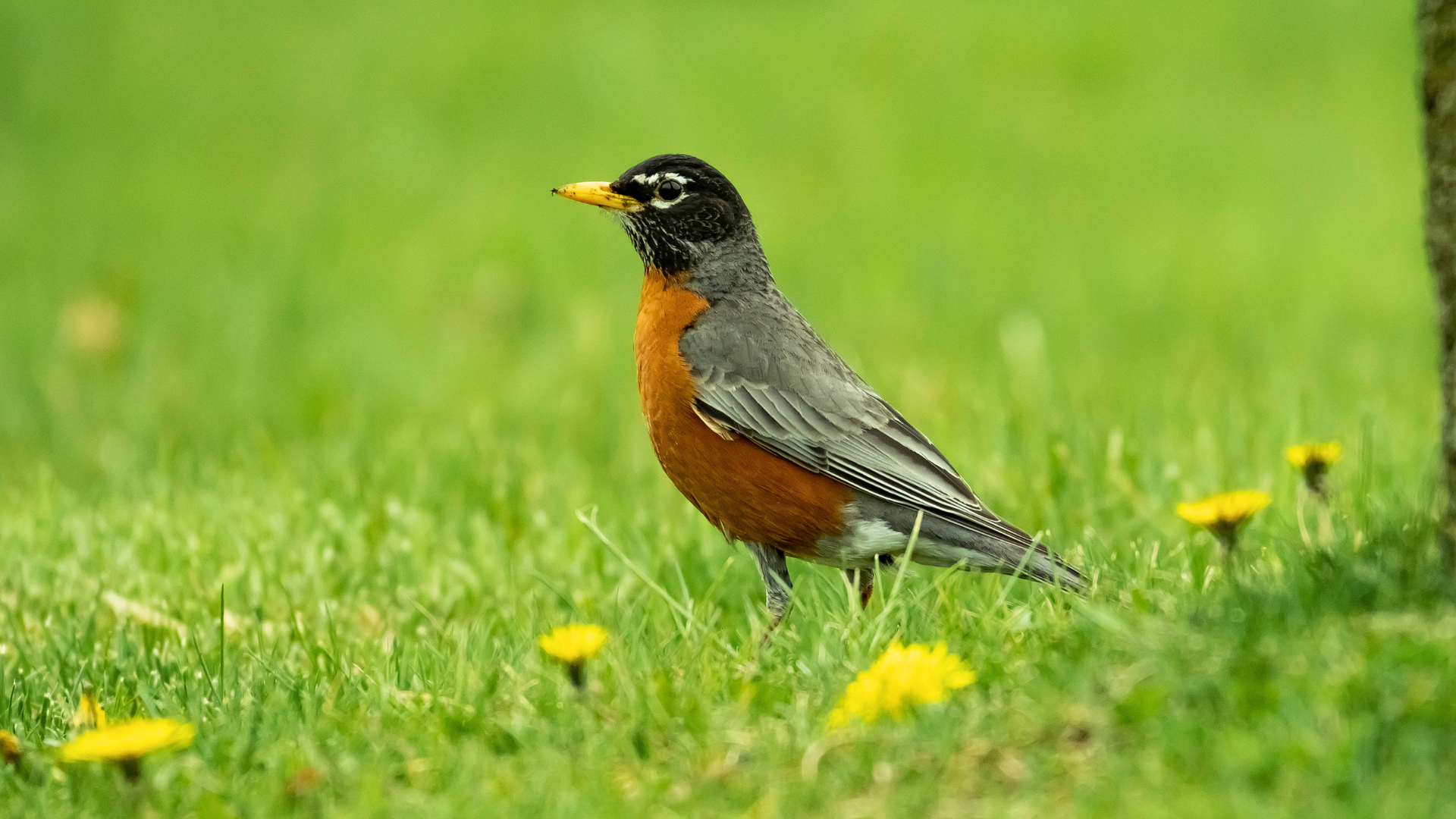

The American Woodcock's Sky Dance: How and Why They Spiral
American Woodcock sky dance explained: learn why this bird spirals at dusk, when and where to see the display, and the habitats where it occurs.

Few bird behaviors in North America are as magical as the American Woodcock sky dance.
On early spring evenings, just after sunset, a small forest bird launches into the sky, spirals hundreds of feet upward, then zigzags back down while producing an unusual musical sound with its wings.
For many birders, witnessing this display is unforgettable.
As a field ornithologist, I have watched this behavior many times in early spring. It remains one of the prettiest behaviors in birds. There is something special about standing quietly in an open field at dusk and watching woodcocks perform their aerial courtship ritual.
In this guide, we explain:
• What the American Woodcock sky dance is
• Why the behavior occurs
• When and where to see it
• How to find woodcock display sites
• Practical birding tips for observing it
Overview of the American Woodcock Sky Dance
The sky dance is a courtship display performed by male American Woodcocks during the breeding season.
The bird involved is the American Woodcock, a small migratory shorebird that lives in forests across eastern North America.
Despite being classified as a shorebird, woodcocks rarely visit shorelines. Instead, they live in moist forests and feed on earthworms.
During spring, males perform a dramatic aerial display to attract females.
The display happens in three phases:
1. Ground Peent Call
The male stands in an open field and repeatedly gives a nasal call known as a "peent."
These calls serve two purposes:
• Announce territory
• Attract nearby females
Birders often hear the peent before seeing the bird.
2. Spiral Flight
After several calls, the male launches upward in a wide spiral.
While climbing, the wings produce a distinctive twittering sound caused by air passing through specialized feathers.
This is the most recognizable part of the sky dance.
3. Zigzag Descent
At the peak of the flight, the woodcock descends in a fluttering zigzag pattern while giving soft chirping calls.
It then lands close to the original display spot and begins calling again.
The entire sequence repeats every few minutes.
Why Do American Woodcocks Perform the Sky Dance?
The sky dance is a mating display driven by sexual selection.
Male woodcocks compete to attract females through repeated aerial displays.
Females observe the display from nearby cover and choose a mate based on:
• Display persistence
• Flight quality
• Territory location
Unlike many birds, male woodcocks do not help raise chicks.
After mating, the female builds the nest and raises the young alone.
When to See the American Woodcock Sky Dance
Timing is critical for observing this behavior.
Peak sky dance activity occurs during the breeding season.
Typical timing across North America:
Late February to early April in the southern United States
March to April in the mid Atlantic and Midwest
Late March to May in Canada and northern states
Displays happen during two short windows each day:
• Just after sunset
• Occasionally just before sunrise
Most birders observe them at dusk.
On calm evenings, activity can last 30 to 45 minutes after sunset.
Where to Find American Woodcock Sky Dance Displays
Finding the right habitat dramatically increases your chances of seeing the display.
Woodcocks perform their sky dance in open areas near young forest.
Look for these habitats:
• Old fields near forests
• Brushy clearings
• Powerline corridors
• Logging roads
• Wet meadows near woodland edges
Nearby forest is essential because females nest in dense cover.
During the day, woodcocks prefer:
• Moist soil rich in earthworms
• Young forests with dense understory
• Alder thickets and regenerating woodland
Because of this, the best viewing spots are transitional habitats where open fields meet young forest.
How to Watch the Sky Dance Successfully
A few practical tips can greatly improve your chances of witnessing this display.
Arrive Before Sunset
Reach the field about 20 minutes before sunset.
This allows time to listen for the first peent calls.
Stay Quiet and Still
Woodcocks are shy birds.
Minimize movement and avoid shining lights.
Listen Carefully
Often you hear the display before seeing it.
Key sounds include:
• Nasal peent calls from the ground
• Wing twittering during the climb
• Chirping during descent
Look High in the Sky
The spiral climb can reach over 300 feet.
Many beginners look too low and miss the bird.
Common Mistakes When Searching for Woodcocks
Many birders miss the sky dance simply because of small mistakes.
Looking Too Early
Displays rarely begin before sunset.
If you arrive too early, you may assume the site is inactive.
Standing in the Wrong Habitat
Large open fields without nearby forest usually lack woodcocks.
They prefer fields bordered by young woodland.
Expecting Loud Calls
The display sounds are surprisingly subtle.
Wind or traffic noise can easily mask them.
Advanced Insights from Field Experience
Woodcock display sites often remain active for many years.
Males return to the same display fields each spring, sometimes within a few meters of previous spots.
Birders who locate an active site can revisit it year after year.
Weather also influences activity.
Best conditions include:
• Calm evenings
• Mild temperatures
• Clear or partly cloudy skies
Cold fronts or strong winds often reduce display activity.
In my experience, the best moments occur just after the last light fades. The field becomes quiet, the peent calls echo through the grass, and suddenly a bird spirals upward against the darkening sky. It is one of those birding moments that never gets old.
Frequently Asked Questions
What time does the American Woodcock sky dance start?
The display usually begins 10 to 20 minutes after sunset and may continue for up to 45 minutes.
How high do woodcocks fly during the sky dance?
Males typically climb 200 to 350 feet into the air before descending.
Do female woodcocks perform the sky dance?
No. Only males perform the aerial display.
What sound does a woodcock make during the display?
The main sounds include the nasal peent call and a twittering wing sound created during the spiral flight.
Where can birders see woodcock sky dances in North America?
Good locations include:
• Northeastern United States
• Great Lakes region
• Southern Canada
• Forest edge habitats across eastern North America
Many wildlife refuges and parks host spring woodcock walks.
Conclusion
The American Woodcock sky dance is one of the most fascinating courtship displays in North American birds.
This small, secretive bird transforms a quiet spring field into a stage for one of nature’s most unique aerial performances.
For birders, witnessing this display is a rite of spring.
With the right timing, habitat, and patience, you can experience it yourself.
Find an open field near young forest, arrive at dusk, listen for the first peent call, and look up.
You might just watch a woodcock spiral into the evening sky.
The allure of off-the-beaten-path travel
Lorem ipsum dolor sit amet, consectetur adipiscing elit ut aliquam, purus sit amet luctus venenatis, lectus magna fringilla urna, porttitor rhoncus dolor purus non enim praesent elementum facilisis leo, vel fringilla est ullamcorper eget nulla facilisi etiam dignissim diam quis enim lobortis scelerisque fermentum dui faucibus in ornare quam viverra orci sagittis eu volutpat odio facilisis mauris sit amet massa vitae tortor.

Unveiling the charm of lesser-known Destinations
Orci sagittis eu volutpat odio facilisis mauris sit amet massa vitae tortor condimentum lacinia quis vel eros donec ac odio tempor orci dapibus ultrices in iaculis nunc sed augue lacus.
- Lorem ipsum dolor sit amet consectetur facilisi etiam dignissim diam quis enim
- Mauris aliquet faucibus iaculis dui vitae ullamco sit amet luctus
- Posuere enim mi pharetra neque proin dic rhoncus dolor purus non enim
- Dui faucibus in ornare posuere enim mi pharetra neque proin dicit
Finding solitude in hidden gem locations
Lorem ipsum dolor sit amet, consectetur adipiscing elit ut aliquam, purus sit amet luctus venenatis, lectus magna fringilla urna, porttitor rhoncus dolor purus non enim praesent elementum facilisis leo, vel fringilla est ullamcorper eget nulla facilisi etiam dignissim diam quis enim lobortis scelerisque fermentum dui faucibus in ornare quam viverra orci sagittis eu volutpat odio facilisis mauris sit amet massa vitae tortor condimentum lacinia quis vel eros donec ac odio tempor orci dapibus ultrices.
The thrill of discovering untouched natural beauty
Dolor sit amet, consectetur adipiscing elit ut aliquam, purus sit amet luctus venenatis, lectus magna fringilla urna, porttitor rhoncus dolor purus non enim praesent elementum facilisis leo, vel fringilla est ullamcorper eget nulla.
- Lorem ipsum dolor sit amet consectetur tempor orci dapibus ultrices
- Mauris aliquet faucibus iaculis dui vitae ullamco elementum facilisis
- Posuere enim mi pharetra neque proin dic fermentum dui faucibus in ornare
- Purus sit amet luctus posuere enim mi pharetra neque proin dic
“Ut enim ad minim veniam, quis nostrud exercitation ullamco laboris nisi ut aliquip ex ea commodo consequat uis aute irure dolor in reprehenderit in voluptate velit”
Exploring cultural marvels off the tourist radar
Donsectetur adipiscing elit ut aliquam, purus sit amet luctus venenatis, lectus magna fringilla urna, porttitor rhoncus dolor purus non enim praesent elementum facilisis leo, vel fringilla est ullamcorper eget nulla facilisi etiam dignissim diam quis enim lobortis scelerisque fermentum dui faucibus in ornare quam viverra orci sagittis eu volutpat odio facilisis mauris sit amet massa vitae tortor condimentum lacinia quis vel eros donec ac odio tempor orci dapibus ultrices in iaculis nunc sed.