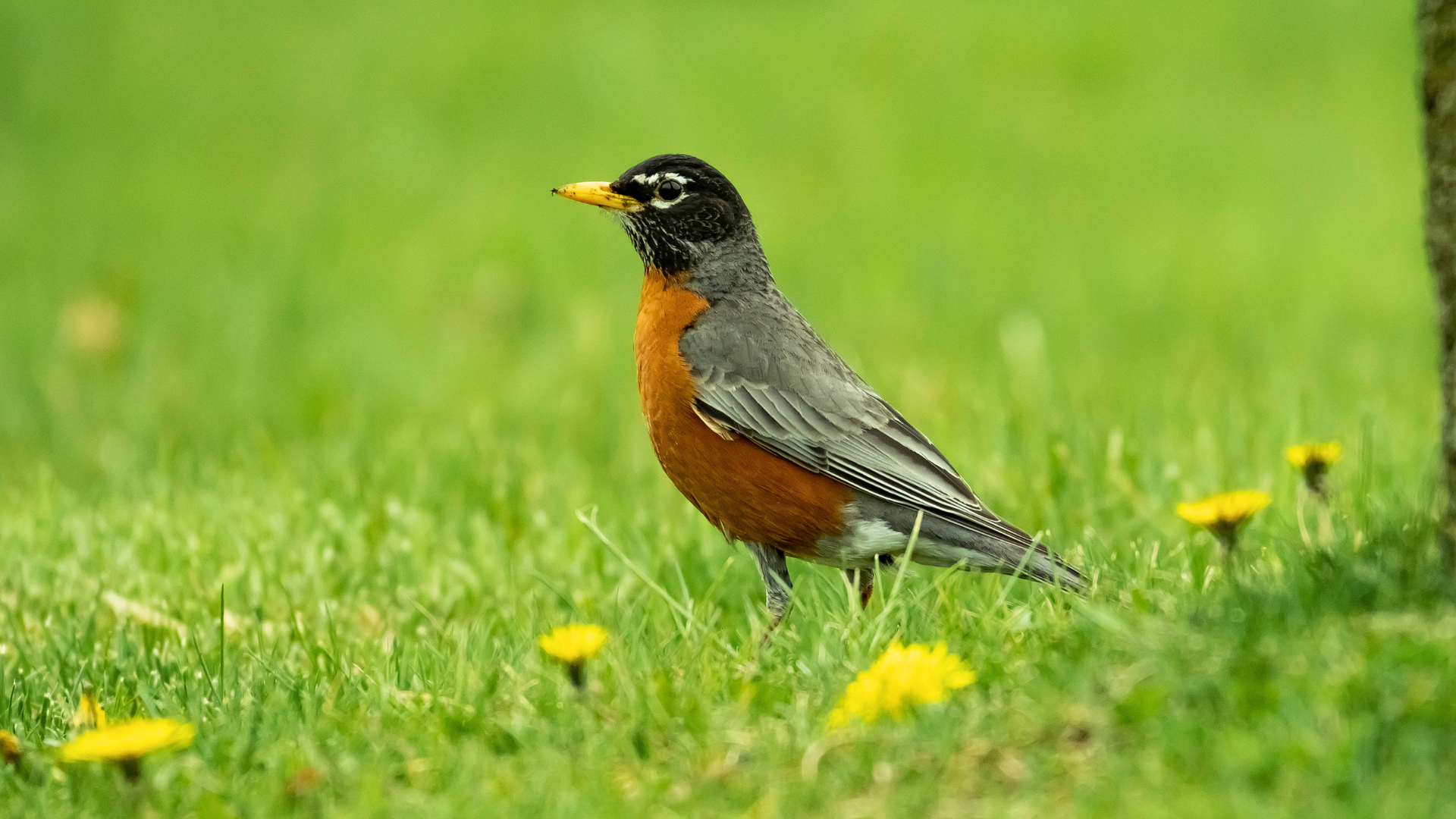

Bird Courtship Displays and Mating Dances in North America
Explore bird courtship displays in North America: woodcock sky dances, grebe rushes, grouse leks, and backyard favorites like cardinals and bald eagles.
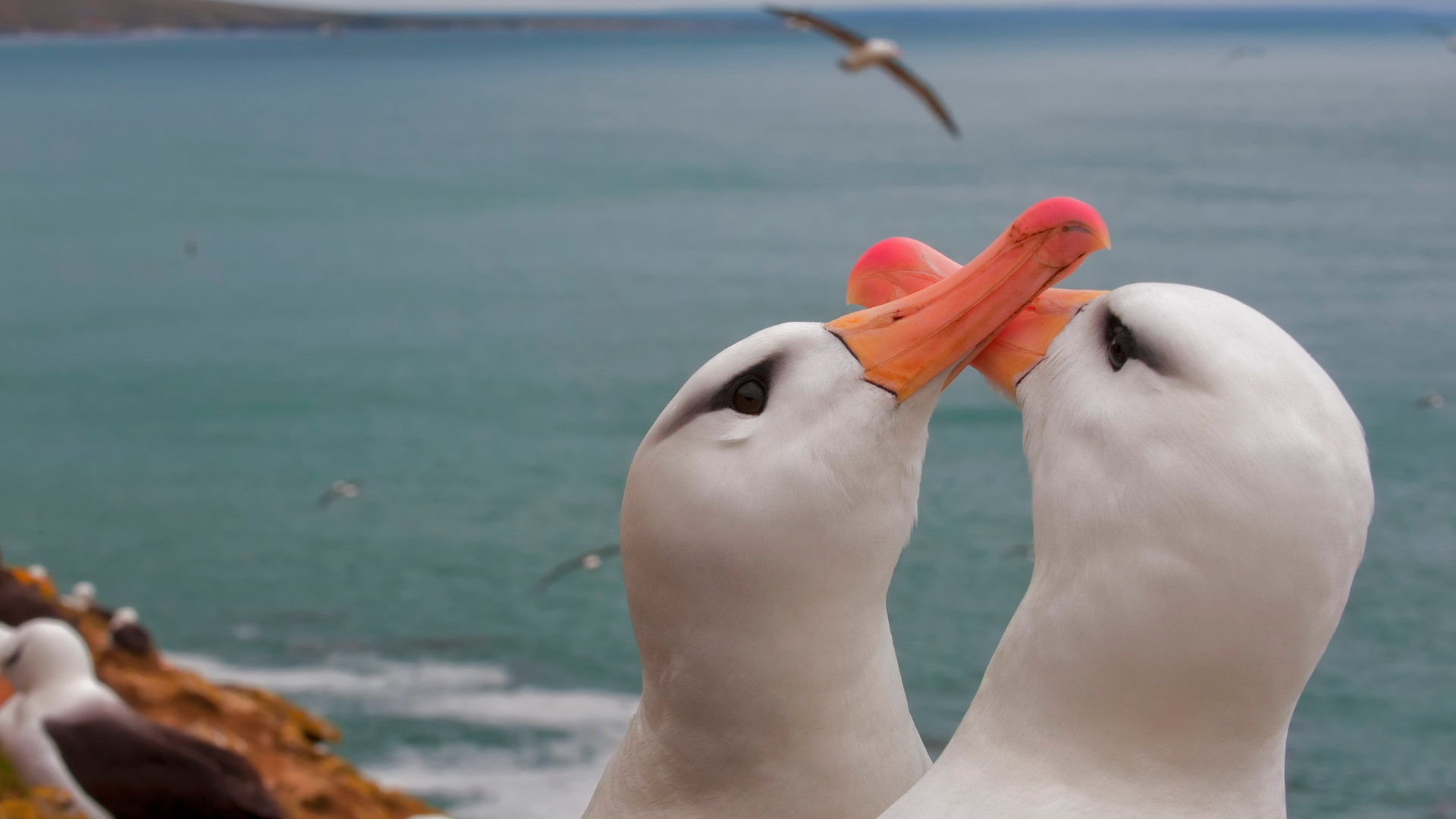
Among the most breathtaking performances in the natural world, bird courtship displays are elaborate rituals shaped by millions of years of evolution. From a woodcock spiraling silently into a darkening sky to two Western Grebes sprinting across the water in perfect synchrony, these behaviors are simultaneously scientific marvels and pure spectacle. North America is home to some of the most spectacular courtship displays on the planet, many of which are accessible to birders willing to be in the right place at the right time.
Understanding why birds perform these displays, how they evolved, and where to witness them adds a profound layer to any birding experience. Whether you are a backyard birdwatcher in Quebec or a dedicated field birder planning a trip to a prairie lek, this guide covers the essential courtship behaviors you need to know.
Why Do Birds Perform Courtship Displays?
Courtship displays serve several interconnected evolutionary functions. At their core, they are honest signals of fitness: a male that can afford to spend energy on elaborate aerial performances, colorful plumage, or prolonged dances is demonstrating that he is healthy, well-fed, and genetically superior to rivals. Females of most species bear the greater cost of reproduction, investing heavily in eggs, incubation, and chick-rearing. This asymmetry makes female choice highly selective and drives males toward ever more elaborate display strategies.
Evolutionary Benefits of Display Behavior
Displays also reinforce species recognition, ensuring that birds mate with compatible partners rather than wasting reproductive effort on hybrid pairings. In species where pair bonds last multiple seasons, displays help maintain and renew the bond between established mates. For species that form no lasting pair bond, like Sharp-tailed Grouse, the display arena called a lek becomes the entire mating system, with females visiting to assess and select among competing males.
Sky Dancers: The American Woodcock
The American Woodcock performs one of the most beloved courtship displays in North America, and it happens practically in the dark. Males begin displaying at dusk on open ground near young forest edges, typically from late March through May across eastern North America including Quebec.
The Peent and the Plummet
The display begins on the ground, where the male produces a nasal peent call at regular intervals. Without warning, he launches skyward on twittering wings, produced by specialized outer primary feathers, and spirals upward to 200 or 300 feet in a wide, climbing arc. At the apex, he begins a plummeting descent, zigzagging downward while producing liquid chirping notes. He lands close to his original spot and immediately resumes calling. This cycle repeats dozens of times in a single evening, often lasting until full dark.
Water Rushes: Western and Clark's Grebes
The rushing display of Western Grebes and Clark's Grebes is widely regarded as one of the most extraordinary courtship behaviors performed by any bird. Two birds rise up and literally run across the water's surface for distances of up to 66 feet in approximately seven seconds.
Their feet move at an astonishing rate, striking the water up to 20 times per second to generate enough lift to keep their bodies partially above the surface. The two birds move in near-perfect synchrony, necks arched forward, running side by side in a display that appears to defy physics. This rushing behavior follows a sequence of other coordinated displays including neck stretching, bill dipping, and weed-carrying ceremonies. Grebe pairs that perform these displays successfully may remain bonded for multiple breeding seasons.
Lekking on the Prairies: Sharp-tailed Grouse
Lekking is a mating system in which males gather at traditional display arenas called leks to compete for female attention through coordinated performance. Lekking in birds represents one of the most intense forms of sexual selection in nature: dozens of males may compete on a single lek, but a small number of dominant males at the lek center account for the vast majority of matings.
The Sharp-tailed Grouse lek is one of the most accessible lekking spectacles in North America. Males arrive at traditional prairie or savanna sites before dawn each morning from early March through May. Their display involves rapid foot-stamping, inflating purple air sacs on the neck, fanning and rattling tail feathers, and producing low cooing calls. Females visit, observe, and make their selection, typically choosing the most centrally positioned and energetically active males.
Backyard Favorites: Cardinals, Eagles, and More
Spectacular courtship is not limited to remote prairies and forest edges. Some of the most charming displays happen in suburban backyards and city parks.
Cardinal Courtship Feeding
The Northern Cardinal performs nuptial feeding, in which the male delivers seeds directly to the female beak to beak in a gesture that resembles a kiss. This behavior continues throughout the nesting season, serving as both a nutritional contribution to the breeding female and ongoing bond reinforcement between mates.
Talon Lock Flights
Bald Eagles perform one of the most dramatic courtship displays of any North American bird: the cartwheel flight, in which two eagles lock talons in mid-air and spin toward the ground in a spiraling free fall, releasing only just before impact. This display, seen during pair formation and territorial disputes, is a powerful demonstration of strength and coordination. Eagles that form successful pairs typically maintain the same territory and nest for decades.
Frequently Asked Questions
What is lekking in birds?
Lekking is a mating system in which males gather at traditional communal display arenas called leks to compete for females through elaborate visual and vocal performances. Common lekking species in North America include Sharp-tailed Grouse, Greater Prairie-Chicken, and Ruffed Grouse.
How does the American Woodcock perform its courtship dance?
The male woodcock calls from the ground with a nasal peent sound, then launches into a spiraling aerial display reaching 200 to 300 feet, with twittering wings on the way up and liquid chirping notes on the descent. He lands near his starting spot and repeats the cycle many times each evening from late March through May.
Do any birds mate for life?
Yes. Bald Eagles, Canada Geese, Sandhill Cranes, and many albatross species are known for long-term or lifelong pair bonds. Pair fidelity in these species is reinforced through repeated courtship displays at the start of each breeding season.
Why do male birds bring food to females during courtship?
Nuptial feeding, as seen in Northern Cardinals, provides direct nutritional support to the female during egg-laying, demonstrates the male's ability to provision offspring, and reinforces the pair bond through repeated intimate contact.
Step Outside This Spring
Bird courtship displays are available to anyone who pays attention to the calendar and is willing to be in the right habitat at the right time. A woodcock display can be witnessed from almost any forest edge in eastern North America on an April evening. Cardinal mate feeding happens at feeders across the continent. Grebe rushes unfold on lakes throughout the west each spring. Understanding what drives these behaviors makes watching them far more than entertainment: it is a window into the engine of natural selection itself.
The allure of off-the-beaten-path travel
Lorem ipsum dolor sit amet, consectetur adipiscing elit ut aliquam, purus sit amet luctus venenatis, lectus magna fringilla urna, porttitor rhoncus dolor purus non enim praesent elementum facilisis leo, vel fringilla est ullamcorper eget nulla facilisi etiam dignissim diam quis enim lobortis scelerisque fermentum dui faucibus in ornare quam viverra orci sagittis eu volutpat odio facilisis mauris sit amet massa vitae tortor.
Unveiling the charm of lesser-known Destinations
Orci sagittis eu volutpat odio facilisis mauris sit amet massa vitae tortor condimentum lacinia quis vel eros donec ac odio tempor orci dapibus ultrices in iaculis nunc sed augue lacus.
- Lorem ipsum dolor sit amet consectetur facilisi etiam dignissim diam quis enim
- Mauris aliquet faucibus iaculis dui vitae ullamco sit amet luctus
- Posuere enim mi pharetra neque proin dic rhoncus dolor purus non enim
- Dui faucibus in ornare posuere enim mi pharetra neque proin dicit
Finding solitude in hidden gem locations
Lorem ipsum dolor sit amet, consectetur adipiscing elit ut aliquam, purus sit amet luctus venenatis, lectus magna fringilla urna, porttitor rhoncus dolor purus non enim praesent elementum facilisis leo, vel fringilla est ullamcorper eget nulla facilisi etiam dignissim diam quis enim lobortis scelerisque fermentum dui faucibus in ornare quam viverra orci sagittis eu volutpat odio facilisis mauris sit amet massa vitae tortor condimentum lacinia quis vel eros donec ac odio tempor orci dapibus ultrices.
The thrill of discovering untouched natural beauty
Dolor sit amet, consectetur adipiscing elit ut aliquam, purus sit amet luctus venenatis, lectus magna fringilla urna, porttitor rhoncus dolor purus non enim praesent elementum facilisis leo, vel fringilla est ullamcorper eget nulla.
- Lorem ipsum dolor sit amet consectetur tempor orci dapibus ultrices
- Mauris aliquet faucibus iaculis dui vitae ullamco elementum facilisis
- Posuere enim mi pharetra neque proin dic fermentum dui faucibus in ornare
- Purus sit amet luctus posuere enim mi pharetra neque proin dic
“Ut enim ad minim veniam, quis nostrud exercitation ullamco laboris nisi ut aliquip ex ea commodo consequat uis aute irure dolor in reprehenderit in voluptate velit”
Exploring cultural marvels off the tourist radar
Donsectetur adipiscing elit ut aliquam, purus sit amet luctus venenatis, lectus magna fringilla urna, porttitor rhoncus dolor purus non enim praesent elementum facilisis leo, vel fringilla est ullamcorper eget nulla facilisi etiam dignissim diam quis enim lobortis scelerisque fermentum dui faucibus in ornare quam viverra orci sagittis eu volutpat odio facilisis mauris sit amet massa vitae tortor condimentum lacinia quis vel eros donec ac odio tempor orci dapibus ultrices in iaculis nunc sed.