
Bird Nesting Habits by Habitat Type: A Complete Guide
Learn bird nesting habits by habitat type: cavity nesters, ground nesters, cliff specialists, and colonial breeders with North American species examples and tips.
Every bird nest is an architectural solution to a specific set of environmental challenges. The way a bird builds, where it places its nest, and what materials it selects are not random choices: they reflect millions of years of evolutionary refinement shaped by predator pressure, climate, food availability, and habitat structure. Understanding bird nesting habits by habitat type makes you a sharper field observer and gives you insight into why certain species succeed in certain landscapes while others struggle.
From forest cavities to open prairies, cliff ledges to suburban backyards, North American birds have developed an extraordinary range of nesting strategies. This guide breaks down the major nesting types, the species that exemplify them, and the factors that drive nest site selection.
Nest Types: An Overview
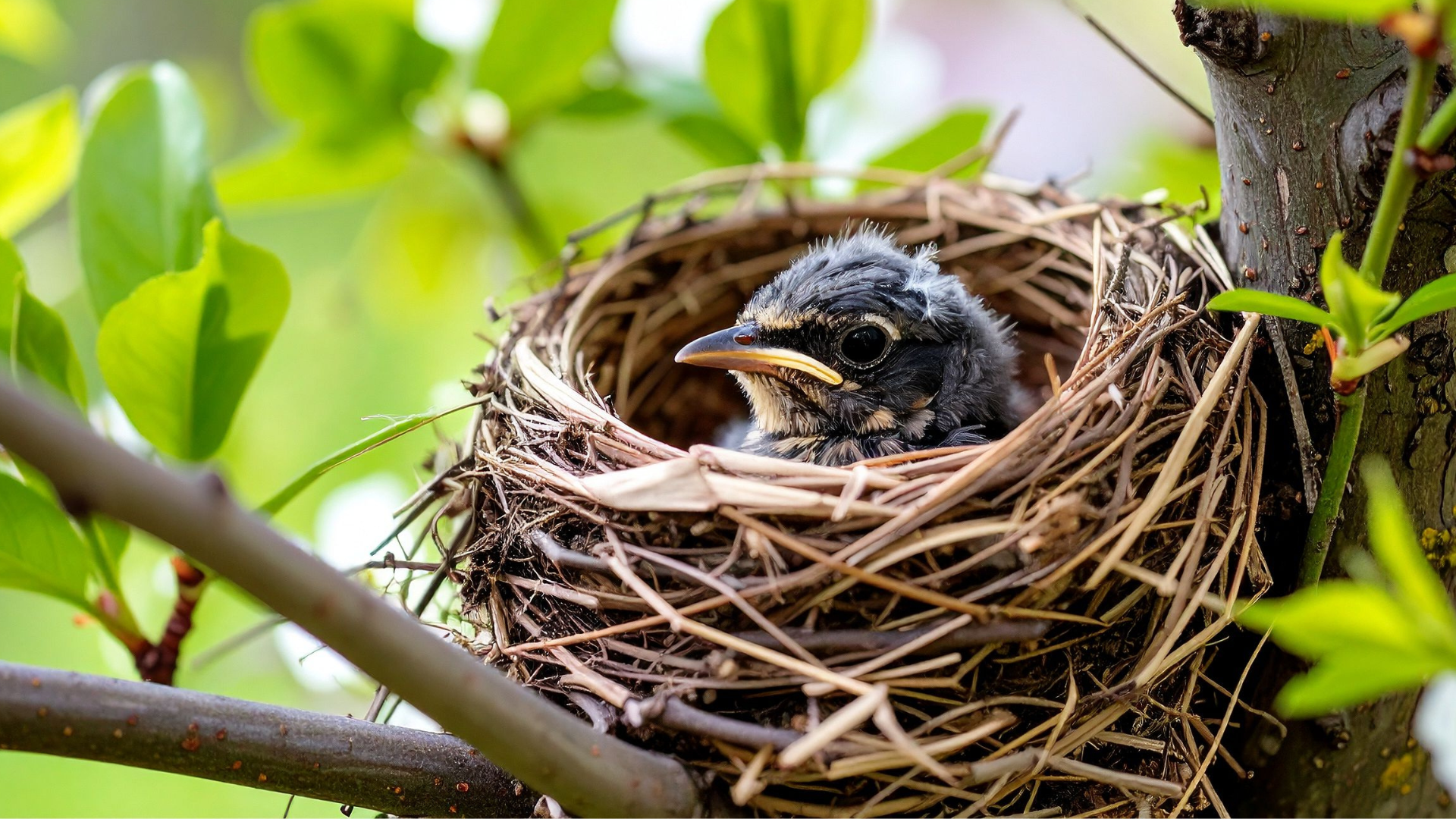
Ornithologists classify bird nests into several broad architectural categories based on construction style and placement. Each type represents a different trade-off between predator avoidance, thermoregulation, structural stability, and construction cost.
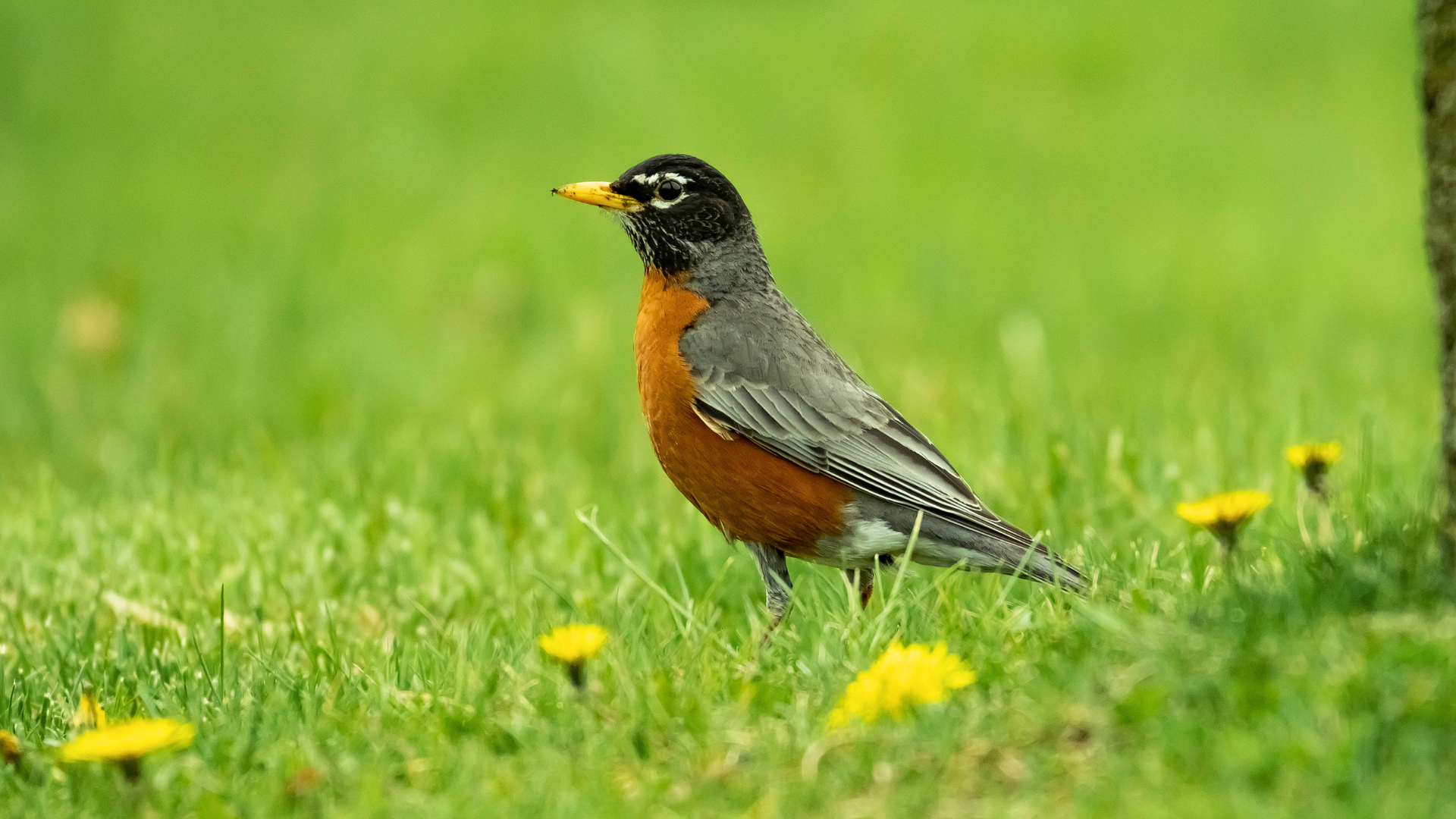
- Cup nests: Open, bowl-shaped structures built into shrubs, trees, or on the ground. Used by robins, warblers, and sparrows.
- Cavity nests: Built inside holes in trees, cliffs, or the ground. Used by woodpeckers, bluebirds, owls, and many ducks.
- Platform nests: Large, flat stick structures built in trees or on elevated surfaces. Used by raptors, herons, and ospreys.
- Pendant nests: Hanging, woven pouches suspended from branch tips. Used by orioles and some vireos.
- Scrape nests: Minimal or no construction, a shallow depression in soil or gravel. Used by shorebirds, terns, and some raptors.
- Colonial nests: Dense clusters of nests where many pairs breed in close proximity. Used by herons, swallows, and terns.
Reuse: Pros and Cons
Many species reuse nests across seasons. Ospreys and Bald Eagles return to the same platform nest year after year, adding material each season until the structure can weigh hundreds of pounds. Reuse saves energy and building time but can also accumulate parasites and pathogens between seasons. Many songbirds build a fresh nest for each clutch, reducing parasite loads at the cost of additional building effort. Studies suggest that about 50 percent of cavity-nesting species reuse the same cavity in consecutive years when it remains available.
Cavity Nesters in Forests
Forest habitats support the richest diversity of cavity-nesting birds in North America. Cavities provide excellent thermoregulation, hiding nests and eggs from most aerial predators, and maintaining relatively stable temperatures even in climates with cold nights.
Woodpecker Excavation
Woodpeckers are the primary excavators of tree cavities in North American forests, and their work benefits dozens of other species. A Pileated Woodpecker can carve a large rectangular cavity into a dead tree in just a few days. Once the woodpeckers move on, these cavities become valuable real estate for Wood Ducks, Barred Owls, and flying squirrels. In Quebec's mixed forests, the Northern Flicker and Hairy Woodpecker are especially prolific excavators, their old cavities providing nest sites for Black-capped Chickadees, Red-breasted Nuthatches, and Tree Swallows.
The availability of large, dead trees known as snags is the single most important factor limiting cavity-nesting populations in managed forests. Conservation efforts in Quebec and across the northeast increasingly recognize the value of retaining snags in logged areas and parks.
Secondary Cavity Nesters
Species that cannot excavate their own cavities, known as secondary cavity nesters, include Eastern Bluebirds, Tree Swallows, American Kestrels, Bufflehead Ducks, and many owl species. These birds compete intensely for available holes and respond quickly to nest box programs. Eastern Bluebird populations, which declined dramatically in the mid-20th century due to habitat loss and competition from European Starlings, have recovered significantly thanks to nest box trails established by conservation volunteers across the continent.
Ground Nesters in Fields and Grasslands
Open habitats like grasslands, agricultural fields, and arctic tundra support a distinct guild of birds that nest directly on or near the ground. Ground nesting is common across roughly 10 percent of North American songbird species and the majority of shorebirds, waterfowl, and gamebirds.
Site Selection Factors
Ground nesters rely almost entirely on camouflage and concealment rather than physical barriers to protect their eggs. The Killdeer lays heavily speckled eggs in a simple gravel scrape that blends perfectly with its substrate. When threatened, Killdeer perform elaborate broken-wing distraction displays to draw predators away from the nest. Bobolinks, Grasshopper Sparrows, and Savannah Sparrows conceal cup nests in dense grass tussocks.
Nest site selection in ground-nesting birds shows strong habitat preferences: vegetation height, stem density, distance from edges, and proximity to water all influence where a female places her eggs. Research on grassland birds consistently shows that nest success is highest in large, continuous grassland patches far from wooded edges, which harbor the highest densities of nest predators.
Cliff and Ledge Specialists
Some of North America's most dramatic nesters use sheer rock faces, cliff ledges, and tall human-made structures as their platforms. Peregrine Falcons are the quintessential cliff nesters, historically breeding on river bluffs, coastal headlands, and mountain ledges. Following the catastrophic population collapse caused by DDT in the mid-20th century, Peregrines were successfully reintroduced to many urban areas where tall buildings serve as surrogate cliff faces. Today, nesting Peregrines are monitored on buildings in Montreal, Toronto, and dozens of other North American cities.
Common Murres and Razorbills on the Atlantic coast pack onto narrow ledges in enormous colonies, with eggs that are strongly tapered at one end so they roll in a tight circle rather than falling off the ledge when disturbed.
Colonial Nesters and the Power of Numbers
Colonial nesting, where many pairs breed in a concentrated area, offers benefits that individual nesting cannot. Dense colonies provide safety in numbers: predators are quickly mobbed and overwhelmed, and vigilance is distributed across many sets of eyes. Great Blue Herons, Double-crested Cormorants, and various tern species nest colonially in North America, often in locations with reliable food access nearby.
Frequently Asked Questions
What are examples of cavity-nesting birds?
Common cavity nesters in North America include Pileated, Hairy, and Downy Woodpeckers, Eastern Bluebirds, Tree Swallows, Black-capped Chickadees, American Kestrels, Buffleheads, and Barred Owls. Woodpecker species excavate their own cavities, while the others rely on existing holes or nest boxes.
Are ground nests safe for birds?
Ground nests are vulnerable to predation and disturbance, but many species succeed through camouflage, distraction displays, and careful site selection. Success rates are highest in large, continuous grassland patches with low predator pressure and minimal human disturbance.
Do birds reuse the same nest every year?
It depends on the species. Large raptors like Bald Eagles and Ospreys reuse and expand the same platform nest for many years. Most songbirds build fresh cup nests each season, though many return to the same territory and use similar locations in successive years.
How do birds choose a nest location?
Birds assess nest sites using genetic predispositions and learned preferences. Key factors include concealment from predators, proximity to food, microclimate stability, substrate quality, and competition from other cavity users. Many species return to the same territory if prior breeding was successful.
Nests as Windows Into Bird Lives
Every nest tells a story about the bird that built it, the habitat it depends on, and the evolutionary pressures it has faced. Learning to identify nest types and match them to species deepens your field craft and builds a richer understanding of how birds use the landscape. Whether you are monitoring nest boxes in your backyard, spotting a heron rookery from a canoe, or marveling at a cliff-ledge Peregrine, look closely and the architecture of birds will never stop surprising you.
The allure of off-the-beaten-path travel
Lorem ipsum dolor sit amet, consectetur adipiscing elit ut aliquam, purus sit amet luctus venenatis, lectus magna fringilla urna, porttitor rhoncus dolor purus non enim praesent elementum facilisis leo, vel fringilla est ullamcorper eget nulla facilisi etiam dignissim diam quis enim lobortis scelerisque fermentum dui faucibus in ornare quam viverra orci sagittis eu volutpat odio facilisis mauris sit amet massa vitae tortor.

Unveiling the charm of lesser-known Destinations
Orci sagittis eu volutpat odio facilisis mauris sit amet massa vitae tortor condimentum lacinia quis vel eros donec ac odio tempor orci dapibus ultrices in iaculis nunc sed augue lacus.
- Lorem ipsum dolor sit amet consectetur facilisi etiam dignissim diam quis enim
- Mauris aliquet faucibus iaculis dui vitae ullamco sit amet luctus
- Posuere enim mi pharetra neque proin dic rhoncus dolor purus non enim
- Dui faucibus in ornare posuere enim mi pharetra neque proin dicit
Finding solitude in hidden gem locations
Lorem ipsum dolor sit amet, consectetur adipiscing elit ut aliquam, purus sit amet luctus venenatis, lectus magna fringilla urna, porttitor rhoncus dolor purus non enim praesent elementum facilisis leo, vel fringilla est ullamcorper eget nulla facilisi etiam dignissim diam quis enim lobortis scelerisque fermentum dui faucibus in ornare quam viverra orci sagittis eu volutpat odio facilisis mauris sit amet massa vitae tortor condimentum lacinia quis vel eros donec ac odio tempor orci dapibus ultrices.
The thrill of discovering untouched natural beauty
Dolor sit amet, consectetur adipiscing elit ut aliquam, purus sit amet luctus venenatis, lectus magna fringilla urna, porttitor rhoncus dolor purus non enim praesent elementum facilisis leo, vel fringilla est ullamcorper eget nulla.
- Lorem ipsum dolor sit amet consectetur tempor orci dapibus ultrices
- Mauris aliquet faucibus iaculis dui vitae ullamco elementum facilisis
- Posuere enim mi pharetra neque proin dic fermentum dui faucibus in ornare
- Purus sit amet luctus posuere enim mi pharetra neque proin dic
“Ut enim ad minim veniam, quis nostrud exercitation ullamco laboris nisi ut aliquip ex ea commodo consequat uis aute irure dolor in reprehenderit in voluptate velit”
Exploring cultural marvels off the tourist radar
Donsectetur adipiscing elit ut aliquam, purus sit amet luctus venenatis, lectus magna fringilla urna, porttitor rhoncus dolor purus non enim praesent elementum facilisis leo, vel fringilla est ullamcorper eget nulla facilisi etiam dignissim diam quis enim lobortis scelerisque fermentum dui faucibus in ornare quam viverra orci sagittis eu volutpat odio facilisis mauris sit amet massa vitae tortor condimentum lacinia quis vel eros donec ac odio tempor orci dapibus ultrices in iaculis nunc sed.