
Snowy Owl Arctic Visitor Behaviors: ID, Irruptions, and Spotting Tips
Learn about snowy owl irruptions, juvenile ID, hunting behavior, and where to watch this Arctic visitor in Canada and the US during winter.
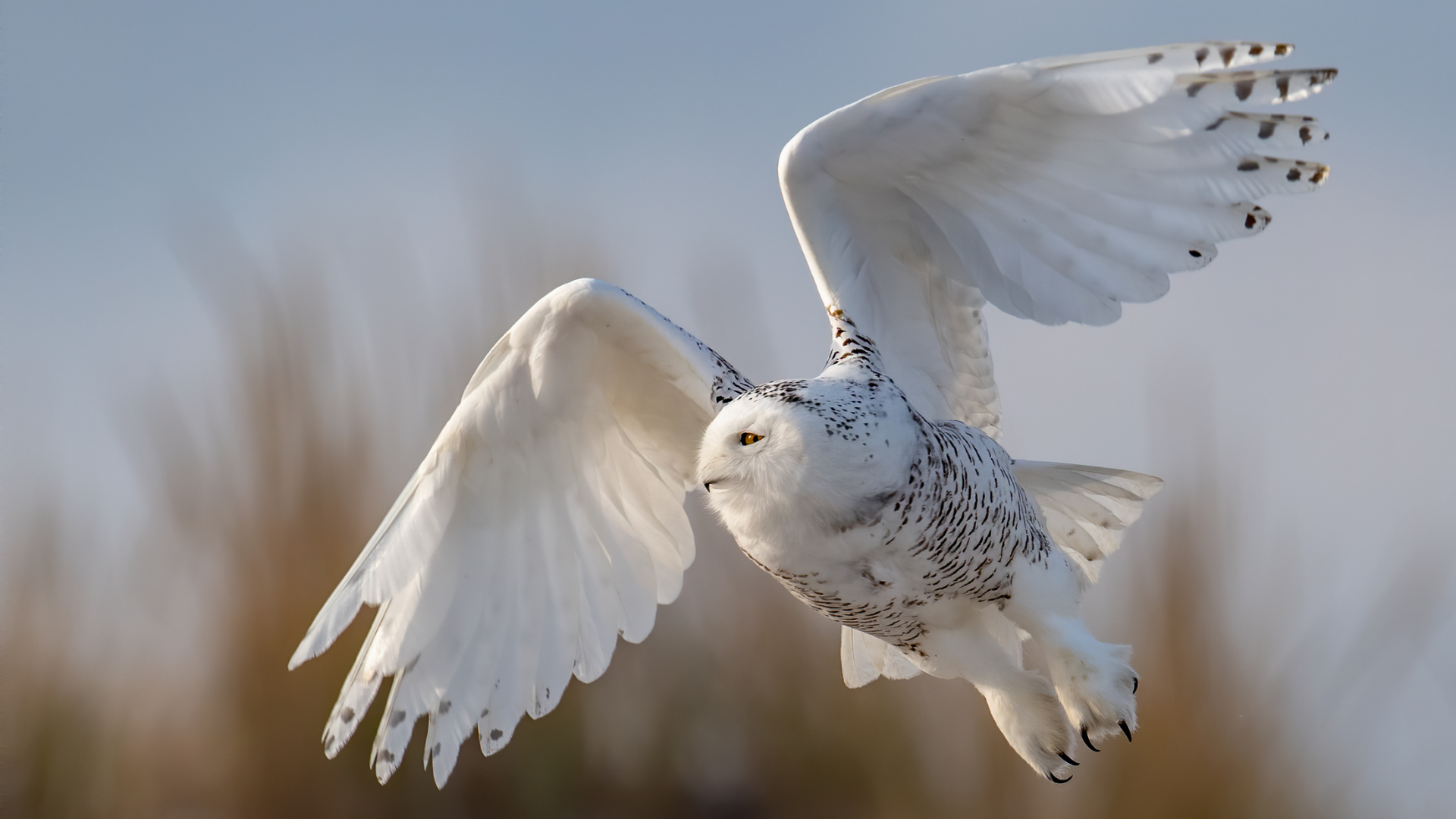
When a snowy owl appears in a farm field, an airport runway, or along a frozen lake shore in winter, it stops people in their tracks. This large white owl from the high Arctic is one of the most visually striking birds that ever touches down in the populated parts of North America, and its irruptions southward generate more birding excitement than almost any other wildlife event in the calendar year. Understanding why snowy owls move south, how to identify them at all ages, and where to look for them transforms a chance sighting into an informed encounter.
Snowy owls breed on the open tundra of the high Arctic, from Alaska and northern Canada to Greenland and Siberia. For most of the year they are invisible to temperate-zone birders. But in irregular winters, sometimes in large numbers, they pour south into Canada and the northern United States, turning up in habitats that echo their treeless tundra home. This guide covers everything from snowy owl identification and juvenile plumage to the science of irruptions and the best spots for watching them in Canada and the US.
Identifying the Snowy Owl
Adult male snowy owls are the birds most people picture when they imagine the species: almost pure white with minimal dark barring, round heads with no ear tufts, and large yellow eyes set in a facial disk that appears almost flat compared to the deeply scooped disks of forest owls. Adult females are larger than males and typically display considerably more dark brown barring across the crown, back, and flanks, a feature that helps them blend into the tundra while incubating eggs on the ground.
Body size is impressive. Snowy owls are among the heaviest owls in North America, with females reaching up to 2.5 kilograms. Wingspan ranges from 125 to 150 centimeters. When perched in an open field, their bulk is evident even at a distance, and the white plumage against snow, brown grass, or gray winter skies makes them visible at remarkable range.
Juvenile Snowy Owl Identification
First-year birds, often called juveniles or immatures, can cause identification uncertainty, particularly for birders who expect snowy owls to be predominantly white. Juvenile birds of both sexes are heavily marked with dark brown bars and spots across the entire body, with the white only clearly visible on the face around the bill and on the wingtips. This heavy dark barring is most pronounced in first-year females. Young birds gradually whiten through successive molts, with males becoming nearly pure white within two to three years and females retaining their barring for longer.
When encountered in winter, heavily barred large white owls with yellow eyes and no ear tufts should be treated as snowy owls regardless of how dark they appear. The combination of size, round head, yellow eyes, and open habitat is diagnostic.
Irruptions Explained: Why Snowy Owls Come South
The movement of snowy owls south from their Arctic breeding grounds is not a true annual migration in the traditional sense. It is an irruption, an irregular, unpredictable dispersal tied to conditions on the tundra rather than seasonal cues like day length. The most important driver is the lemming cycle.
Lemmings are the primary prey of snowy owls on the breeding grounds, and their populations cycle between extreme abundance and near-collapse on a roughly four-year rhythm. When lemmings are abundant, snowy owls breed successfully and can raise large broods of five to seven or even more chicks. When lemmings crash, many of those young birds, now independent and searching for food, have no established territories in the north and push south in search of prey. This means that the largest irruptions typically follow breeding seasons of exceptional success, bringing both the young birds of that year and some adults displaced by the population surge south into Canada and the United States.
Recent research has complicated the traditional crash-and-irrupt model, however. Data from owl banding and tracking projects including Project SNOWstorm have shown that many irrupting snowy owls are in excellent physical condition, not starving wanderers, and that some individuals make regular movements between the Arctic and the temperate zone across multiple years. What is not yet fully understood is how climate change and the disruption of Arctic lemming cycles will alter the frequency and scale of future irruptions.
Snowy Owl Hunting and Diet
Unlike most owls, snowy owls are diurnal hunters, meaning they are fully capable of hunting in daylight. This is a direct adaptation to life in the high Arctic, where summer brings continuous daylight for months. On the wintering grounds, they often hunt throughout the day, making them far more accessible to birders than nocturnal species.
In the Arctic, lemmings account for the overwhelming majority of the diet during breeding season. A single breeding pair with a large clutch may require over 1,500 lemmings to see the season through to fledging. On wintering grounds further south, snowy owls shift to whatever medium-sized prey is available: voles, mice, rabbits, rats, ducks, pheasants, coots, and gulls are all taken. Airport environments are attractive to wintering snowy owls in part because their large open expanses of mown grass and adjacent wetlands support dense populations of voles and waterfowl.
Snowy Owl vs. Barn Owl
In North America, confusion between snowy owls and barn owls is unusual given the size difference, but it is worth knowing the separation. Barn owls are much smaller, have heart-shaped facial disks that are white to pale peach, dark eyes rather than yellow, and mottled golden-brown and gray upper parts rather than white plumage. Their flight is buoyant and moth-like compared to the snowy owl's powerful, direct wingbeats. Barn owls are associated with agricultural lowlands and the interior of buildings, while snowy owls in winter favor open fields, dunes, ice floes, and lakeshores.
Spotting Snowy Owls in Canada and the USA
Finding snowy owls during an irruption year is considerably more straightforward than finding most rare birds, primarily because they favor open habitats with long sightlines that mirror their treeless tundra home. Airports and their surrounding grasslands, large agricultural fields, dunes and beach berms, open marshes, prairie landscapes, and frozen lake shores are all classic snowy owl wintering habitat.
In Canada, the southern Prairie provinces, southern Ontario, southern Quebec, and the Maritimes are the most consistent destinations during irruption years. Specific hotspots include the farmlands around Ottawa, the Lake Erie shoreline in Ontario, the open fields of Montreal's south shore, and the dunes and beaches of Cape Breton Island. In the United States, New England coastlines, the Great Lakes shoreline, and the Great Plains have all hosted impressive concentrations during major irruption winters.
Snowy Owl Watching Tips for Winter in Canada
When watching snowy owls, maintaining a respectful distance is important. Birds that repeatedly flush from one perch to another are being harassed, and disturbing roosting owls burns crucial energy reserves during the coldest months. Observe from your vehicle when possible, as cars function as effective hides on open agricultural landscapes. Dawn and dusk are productive times, but as diurnal hunters, snowy owls can be active at any hour on overcast winter days. Report sightings to local bird observation networks and eBird, as these records contribute to population monitoring and irruption tracking research.
Frequently Asked Questions
Why do snowy owls come south in winter?
Snowy owls move south during irruption events primarily driven by lemming population dynamics on the Arctic tundra. Large breeding seasons, fueled by lemming abundance, produce many young birds that disperse in search of food and territory. Recent research suggests irrupting birds are often in good condition, not driven south purely by starvation. Climate-driven disruptions to Arctic lemming cycles may affect the frequency of future irruptions.
How do I identify a juvenile snowy owl?
Juvenile and first-year snowy owls are heavily barred with dark brown across the entire body, and they can appear far darker than the nearly pure white adults most people expect. Identify them by the combination of large size, round head with no ear tufts, yellow eyes, and open habitat. The dark barring fades through successive molts, with males becoming nearly white within two to three years.
Snowy owl vs. barn owl: how do they compare?
Barn owls are much smaller with a distinctive heart-shaped white facial disk, dark eyes, and golden-brown upper parts. Snowy owls are very large with round white to barred plumage, yellow eyes, and no facial disk cavity. They occupy completely different habitats: barn owls prefer agricultural buildings and lowland fields, while snowy owls favor open coastal and inland landscapes during winter.
Where are the best places to see snowy owls in Canada?
During irruption years, the farmlands around Ottawa and eastern Ontario, the south shore of Montreal and southern Quebec, the Lake Erie shoreline, southern Manitoba prairie zones, and the Atlantic coastline of the Maritimes are among the most reliable snowy owl destinations in Canada. Large open airports and surrounding grasslands are also consistent hotspots wherever they occur within the irruption zone.
When the Arctic Comes to You
A snowy owl perched on a fence post against a gray January sky is one of the most thrilling wildlife experiences available in temperate North America. The combination of Arctic provenance, imposing size, diurnal behavior, and dramatic plumage makes it a bird that resonates well beyond the birding community. Knowing the science behind why it is there, how to age it properly, and where to look in Canada and beyond turns every irruption winter into an event worth planning for.
The allure of off-the-beaten-path travel
Lorem ipsum dolor sit amet, consectetur adipiscing elit ut aliquam, purus sit amet luctus venenatis, lectus magna fringilla urna, porttitor rhoncus dolor purus non enim praesent elementum facilisis leo, vel fringilla est ullamcorper eget nulla facilisi etiam dignissim diam quis enim lobortis scelerisque fermentum dui faucibus in ornare quam viverra orci sagittis eu volutpat odio facilisis mauris sit amet massa vitae tortor.
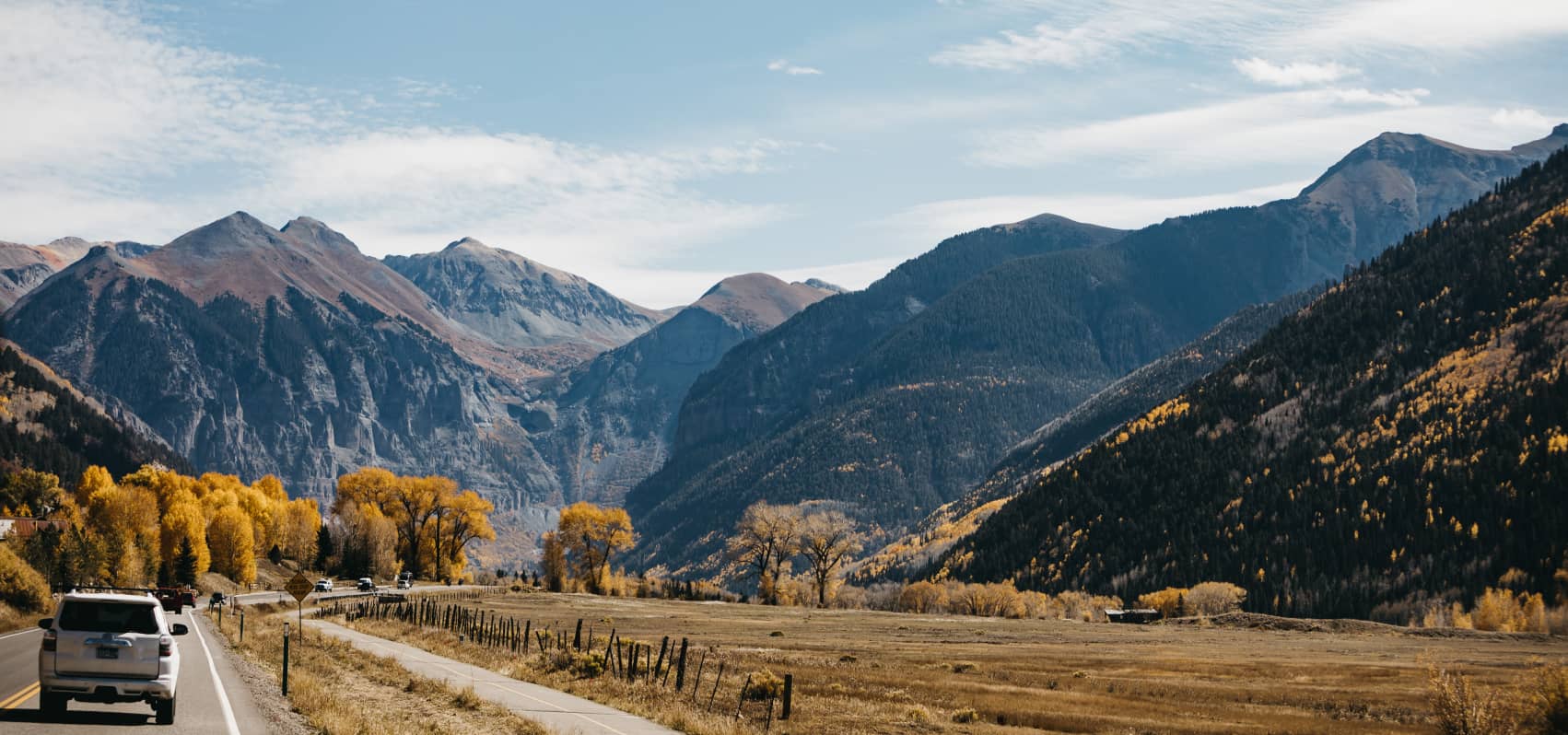
Unveiling the charm of lesser-known Destinations
Orci sagittis eu volutpat odio facilisis mauris sit amet massa vitae tortor condimentum lacinia quis vel eros donec ac odio tempor orci dapibus ultrices in iaculis nunc sed augue lacus.
- Lorem ipsum dolor sit amet consectetur facilisi etiam dignissim diam quis enim
- Mauris aliquet faucibus iaculis dui vitae ullamco sit amet luctus
- Posuere enim mi pharetra neque proin dic rhoncus dolor purus non enim
- Dui faucibus in ornare posuere enim mi pharetra neque proin dicit
Finding solitude in hidden gem locations
Lorem ipsum dolor sit amet, consectetur adipiscing elit ut aliquam, purus sit amet luctus venenatis, lectus magna fringilla urna, porttitor rhoncus dolor purus non enim praesent elementum facilisis leo, vel fringilla est ullamcorper eget nulla facilisi etiam dignissim diam quis enim lobortis scelerisque fermentum dui faucibus in ornare quam viverra orci sagittis eu volutpat odio facilisis mauris sit amet massa vitae tortor condimentum lacinia quis vel eros donec ac odio tempor orci dapibus ultrices.
The thrill of discovering untouched natural beauty
Dolor sit amet, consectetur adipiscing elit ut aliquam, purus sit amet luctus venenatis, lectus magna fringilla urna, porttitor rhoncus dolor purus non enim praesent elementum facilisis leo, vel fringilla est ullamcorper eget nulla.
- Lorem ipsum dolor sit amet consectetur tempor orci dapibus ultrices
- Mauris aliquet faucibus iaculis dui vitae ullamco elementum facilisis
- Posuere enim mi pharetra neque proin dic fermentum dui faucibus in ornare
- Purus sit amet luctus posuere enim mi pharetra neque proin dic
“Ut enim ad minim veniam, quis nostrud exercitation ullamco laboris nisi ut aliquip ex ea commodo consequat uis aute irure dolor in reprehenderit in voluptate velit”
Exploring cultural marvels off the tourist radar
Donsectetur adipiscing elit ut aliquam, purus sit amet luctus venenatis, lectus magna fringilla urna, porttitor rhoncus dolor purus non enim praesent elementum facilisis leo, vel fringilla est ullamcorper eget nulla facilisi etiam dignissim diam quis enim lobortis scelerisque fermentum dui faucibus in ornare quam viverra orci sagittis eu volutpat odio facilisis mauris sit amet massa vitae tortor condimentum lacinia quis vel eros donec ac odio tempor orci dapibus ultrices in iaculis nunc sed.