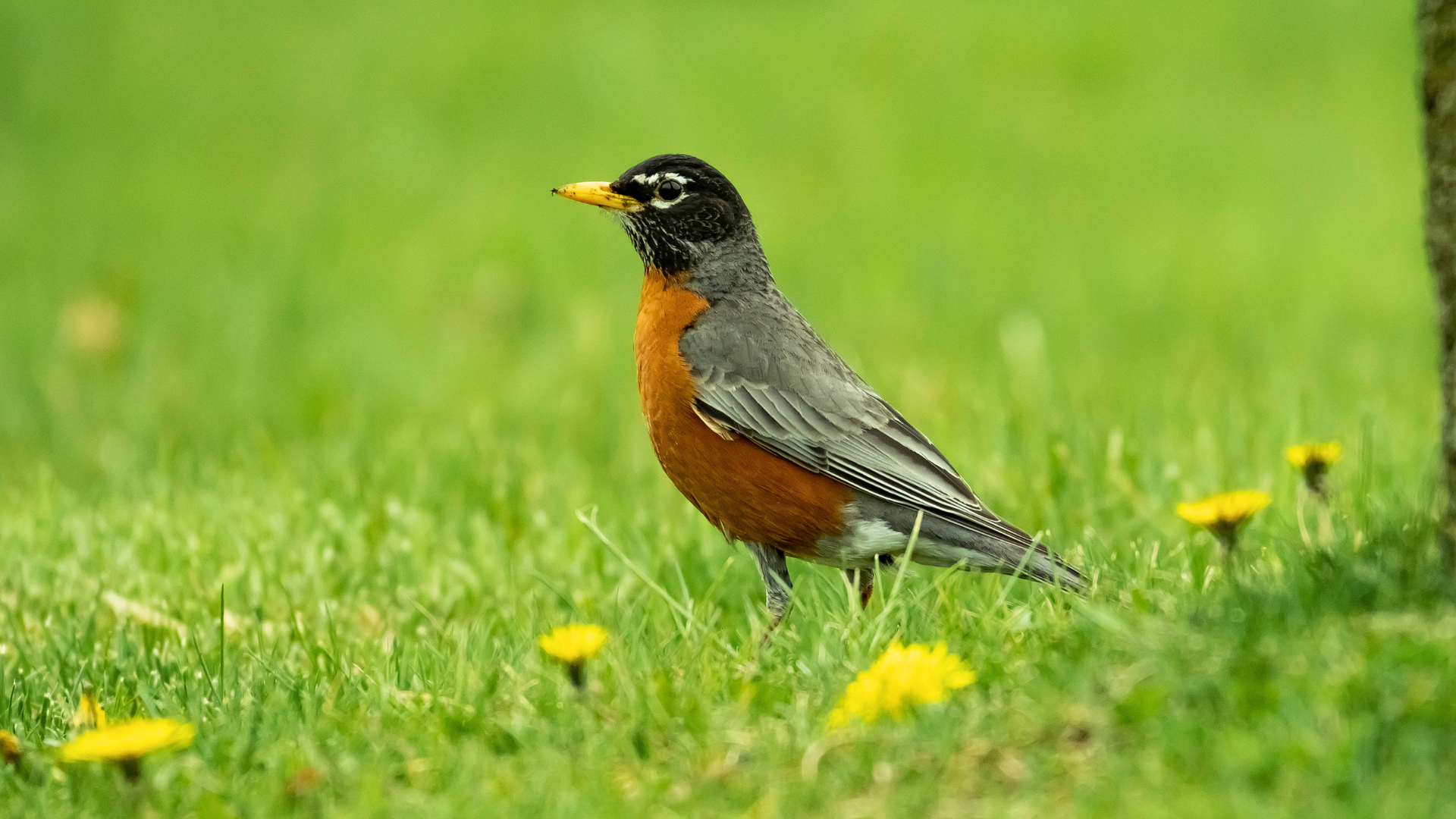

Why Birds Sing the Dawn Chorus: The Science Explained
Learn the science behind the dawn chorus: why birds sing at dawn, which species sing first, and how hormones and territory drive this morning phenomenon.
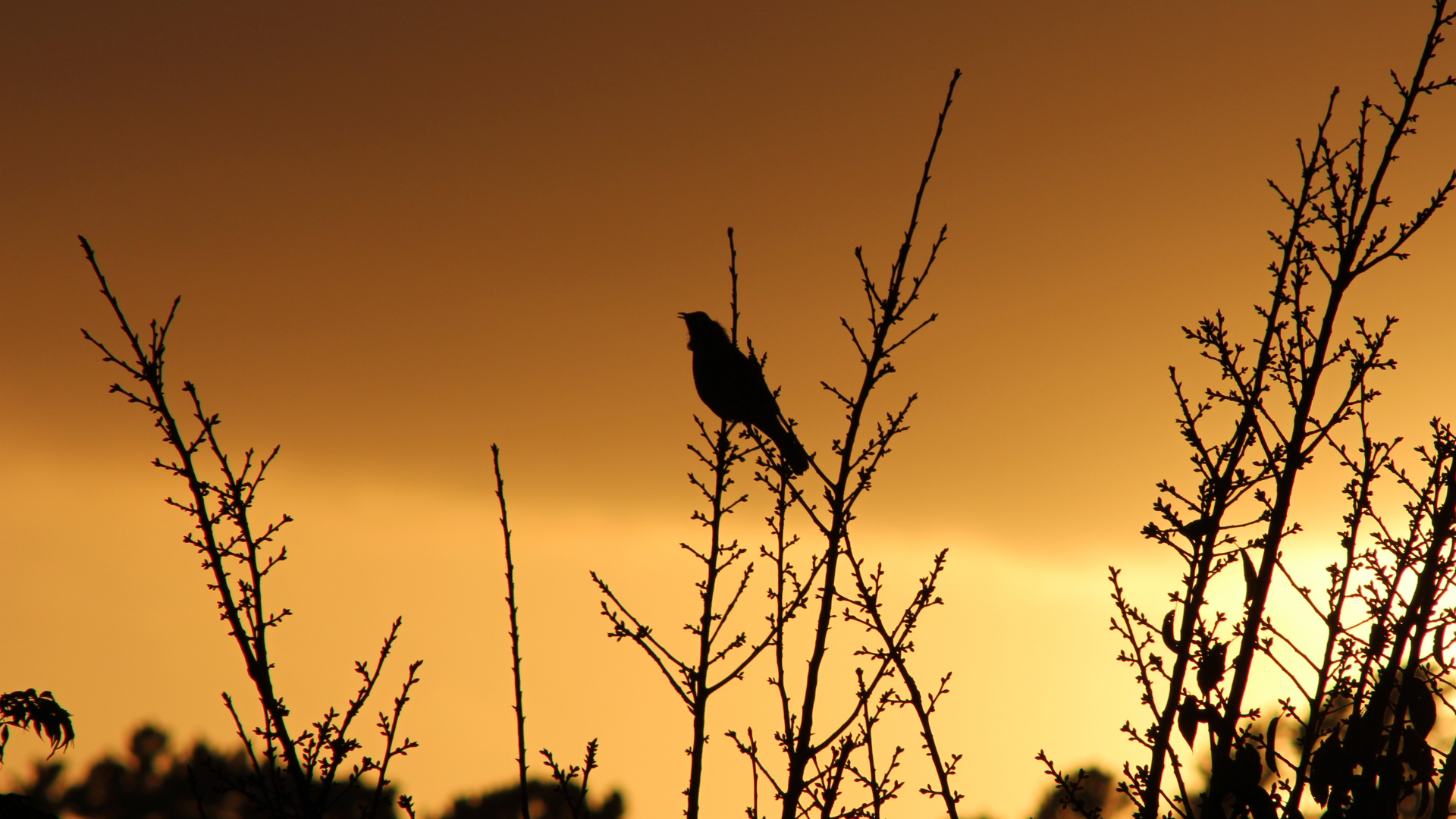
Every spring morning, before sunrise, something remarkable happens across North America and beyond. Dozens of bird species burst into song in a layered, swelling wave of sound known as the dawn chorus. If you have ever stepped outside at first light during breeding season and felt surrounded by birdsong, you have experienced one of the most studied and debated phenomena in ornithology. But why do birds sing at dawn, and why with such intensity?
The science behind the dawn chorus is richer than most people expect. Researchers have tested multiple hypotheses over decades, and the answers touch on hormones, acoustics, evolution, and the limits of foraging in low light. Here is what we know, what has been debunked, and how you can make the most of this daily spectacle.
What Is the Dawn Chorus?
The dawn chorus is the concentrated burst of bird vocalizations that occurs in the hour or so before and just after sunrise, primarily during the spring and early summer breeding season. It is not random noise. Each species joins at a predictable time relative to sunrise, creating a structured sequence that ornithologists can map with remarkable precision. The chorus peaks in intensity around the spring equinox when days lengthen rapidly and hormonal activity in birds is at its highest.
While the dawn chorus is a global phenomenon, it is especially rich in temperate regions like eastern North America and the UK, where many migratory songbird species overlap during the breeding season. In Quebec and the northeastern United States, the chorus swells dramatically from late April through June as neotropical migrants return from their wintering grounds.
Scientific Theories Behind the Dawn Chorus
For years, the leading explanation was acoustic: still air at dawn supposedly carries sound farther and with less distortion than warmer afternoon air, giving singers a transmission advantage. This idea seemed intuitive. But a landmark study led by Cornell Lab of Ornithology researchers challenged it directly. By analyzing singing rates across 69 species, scientists found that territory defense and mate signaling, not acoustic advantage, best explained the dawn singing pattern. The acoustic transmission hypothesis has largely been set aside by the scientific community.
Vocal Warm-Up Hypothesis
Darkness suppresses the hormonal cascade that enables full-intensity singing. As light increases, melatonin levels drop and testosterone rises, releasing a biological brake on vocalization. Birds may use the low-light pre-foraging window to rehearse and reinforce song patterns when the cost of singing is lowest. This vocal warm-up period allows males to establish territorial presence before the day's feeding competition begins.
Territory Defense at First Light
The primary driver, supported by the widest body of research, is territorial advertisement. Male birds need to announce and defend territory boundaries continuously during the breeding season. Dawn is when neighboring males are most likely to probe boundaries, and a strong vocal presence at that hour signals fitness and dominance. A male that sings loudly and consistently at dawn communicates to rivals that his territory is actively defended, reducing the need for physical confrontation.
Mate Attraction and Female Assessment
Females of many species assess male quality partly through song complexity and endurance. Singing at dawn, when food is not yet accessible, demonstrates that a male is healthy enough to spend energy on vocalization rather than feeding. This honest signal of condition makes dawn singing a reliable cue for mate selection. Studies on several warbler species show that females visit more males with stronger dawn songs before settling on a mate.
Species Order and Timing
One of the most fascinating aspects of the dawn chorus is that species join in a predictable order each morning, driven by a combination of eye size, habitat, and light sensitivity.
Robin and Blackbird Starters
In North America, the American Robin is typically among the first voices heard, often beginning 30 to 45 minutes before sunrise. Robins have large eyes relative to body size, giving them superior low-light vision and allowing them to detect worms and insects earlier than smaller-eyed species. Following the robins, thrushes, wrens, and wood warblers begin joining the chorus as light gradually increases.
In Quebec forests during May, a typical sequence might begin with the Hermit Thrush or American Robin, followed by the Ovenbird, then a cascade of wood warblers including the Yellow Warbler, Common Yellowthroat, and Chestnut-sided Warbler. Each layer adds complexity to the chorus, and experienced birders can identify species by their entry timing alone.
Dawn Chorus vs. Dusk Chorus
Many birders wonder why the dawn chorus is so much more intense than evening singing. The answer lies in hormonal cycles and energy budgets. Testosterone levels in male songbirds peak in the early morning hours, driving maximum vocal output. By evening, hormonal levels have dropped and birds have spent significant energy foraging. Evening singing does occur in species like the Wood Thrush and Eastern Towhee, but it rarely matches the scale or intensity of dawn.
Does Weather Affect the Dawn Chorus?
Yes, significantly. The chorus is loudest and most prolonged on calm, clear mornings with low wind. Wind and rain both suppress singing, partly because they mask sound and reduce the effectiveness of vocal signals. Studies show that chorus intensity correlates with barometric pressure: rising pressure after a storm front often produces exceptionally rich morning singing, likely because birds are compensating for lost singing time.
How to Experience the Dawn Chorus
You do not need special equipment to enjoy the dawn chorus, but a few habits make the experience far richer.
- Arrive at your chosen spot at least 20 minutes before local sunrise time.
- Choose a habitat edge where forest meets open ground, as species diversity is highest at these transitions.
- Stand still and let your ears do the work. Your brain will begin separating individual voices within a few minutes.
- Bring a notebook or use the Merlin Bird ID app from Cornell Lab to identify songs in real time.
- Visit during the last two weeks of April and the first two weeks of May for peak diversity in Quebec and the northeastern US.
Best Spring Spots in North America
Morgan Arboretum on Montreal Island hosts an impressive mix of warblers and thrushes during spring migration. Point Pelee National Park in Ontario is famous for its dawn chorus intensity during migration peaks. In Quebec, the forests around Gatineau Park and the Eastern Townships offer reliable spots where 20 or more species can be heard within a single morning.
Frequently Asked Questions
Why do birds sing louder at dawn than at other times of day?
Testosterone and other hormones peak in the early morning hours, driving maximum vocal output. The low-light window before foraging begins also provides a cost-free opportunity to signal fitness and defend territory without sacrificing feeding time.
Which bird sings first in the dawn chorus?
In North America, the American Robin typically leads, beginning 30 to 45 minutes before sunrise thanks to its large eyes and superior low-light vision. Hermit Thrush and some sparrow species are also early starters depending on habitat.
Why is the dawn chorus more intense than the dusk chorus?
Hormonal levels, particularly testosterone, are highest in the morning and decline through the day. By evening, energy reserves have been spent on foraging, and the biological drive to sing is diminished compared to the dawn peak.
Does weather affect the dawn chorus?
Yes. The chorus is strongest on calm, clear mornings with rising barometric pressure. Wind, rain, and cold temperatures all suppress singing intensity and can delay the start of the chorus.
When is the best time to hear the dawn chorus in North America?
The peak window is mid-April through late May in temperate regions like Quebec and the northeastern United States, when migratory songbirds have returned and breeding hormones are at their seasonal high.
Listen Before the World Wakes Up
The dawn chorus is one of the most accessible and rewarding experiences in birdwatching. No rare sighting or expensive gear is required, only an early alarm and a willingness to stand quietly in the morning air. Understanding the science behind why birds sing at dawn makes the experience even richer. Set your alarm, step outside, and listen.
The allure of off-the-beaten-path travel
Lorem ipsum dolor sit amet, consectetur adipiscing elit ut aliquam, purus sit amet luctus venenatis, lectus magna fringilla urna, porttitor rhoncus dolor purus non enim praesent elementum facilisis leo, vel fringilla est ullamcorper eget nulla facilisi etiam dignissim diam quis enim lobortis scelerisque fermentum dui faucibus in ornare quam viverra orci sagittis eu volutpat odio facilisis mauris sit amet massa vitae tortor.

Unveiling the charm of lesser-known Destinations
Orci sagittis eu volutpat odio facilisis mauris sit amet massa vitae tortor condimentum lacinia quis vel eros donec ac odio tempor orci dapibus ultrices in iaculis nunc sed augue lacus.
- Lorem ipsum dolor sit amet consectetur facilisi etiam dignissim diam quis enim
- Mauris aliquet faucibus iaculis dui vitae ullamco sit amet luctus
- Posuere enim mi pharetra neque proin dic rhoncus dolor purus non enim
- Dui faucibus in ornare posuere enim mi pharetra neque proin dicit
Finding solitude in hidden gem locations
Lorem ipsum dolor sit amet, consectetur adipiscing elit ut aliquam, purus sit amet luctus venenatis, lectus magna fringilla urna, porttitor rhoncus dolor purus non enim praesent elementum facilisis leo, vel fringilla est ullamcorper eget nulla facilisi etiam dignissim diam quis enim lobortis scelerisque fermentum dui faucibus in ornare quam viverra orci sagittis eu volutpat odio facilisis mauris sit amet massa vitae tortor condimentum lacinia quis vel eros donec ac odio tempor orci dapibus ultrices.
The thrill of discovering untouched natural beauty
Dolor sit amet, consectetur adipiscing elit ut aliquam, purus sit amet luctus venenatis, lectus magna fringilla urna, porttitor rhoncus dolor purus non enim praesent elementum facilisis leo, vel fringilla est ullamcorper eget nulla.
- Lorem ipsum dolor sit amet consectetur tempor orci dapibus ultrices
- Mauris aliquet faucibus iaculis dui vitae ullamco elementum facilisis
- Posuere enim mi pharetra neque proin dic fermentum dui faucibus in ornare
- Purus sit amet luctus posuere enim mi pharetra neque proin dic
“Ut enim ad minim veniam, quis nostrud exercitation ullamco laboris nisi ut aliquip ex ea commodo consequat uis aute irure dolor in reprehenderit in voluptate velit”
Exploring cultural marvels off the tourist radar
Donsectetur adipiscing elit ut aliquam, purus sit amet luctus venenatis, lectus magna fringilla urna, porttitor rhoncus dolor purus non enim praesent elementum facilisis leo, vel fringilla est ullamcorper eget nulla facilisi etiam dignissim diam quis enim lobortis scelerisque fermentum dui faucibus in ornare quam viverra orci sagittis eu volutpat odio facilisis mauris sit amet massa vitae tortor condimentum lacinia quis vel eros donec ac odio tempor orci dapibus ultrices in iaculis nunc sed.