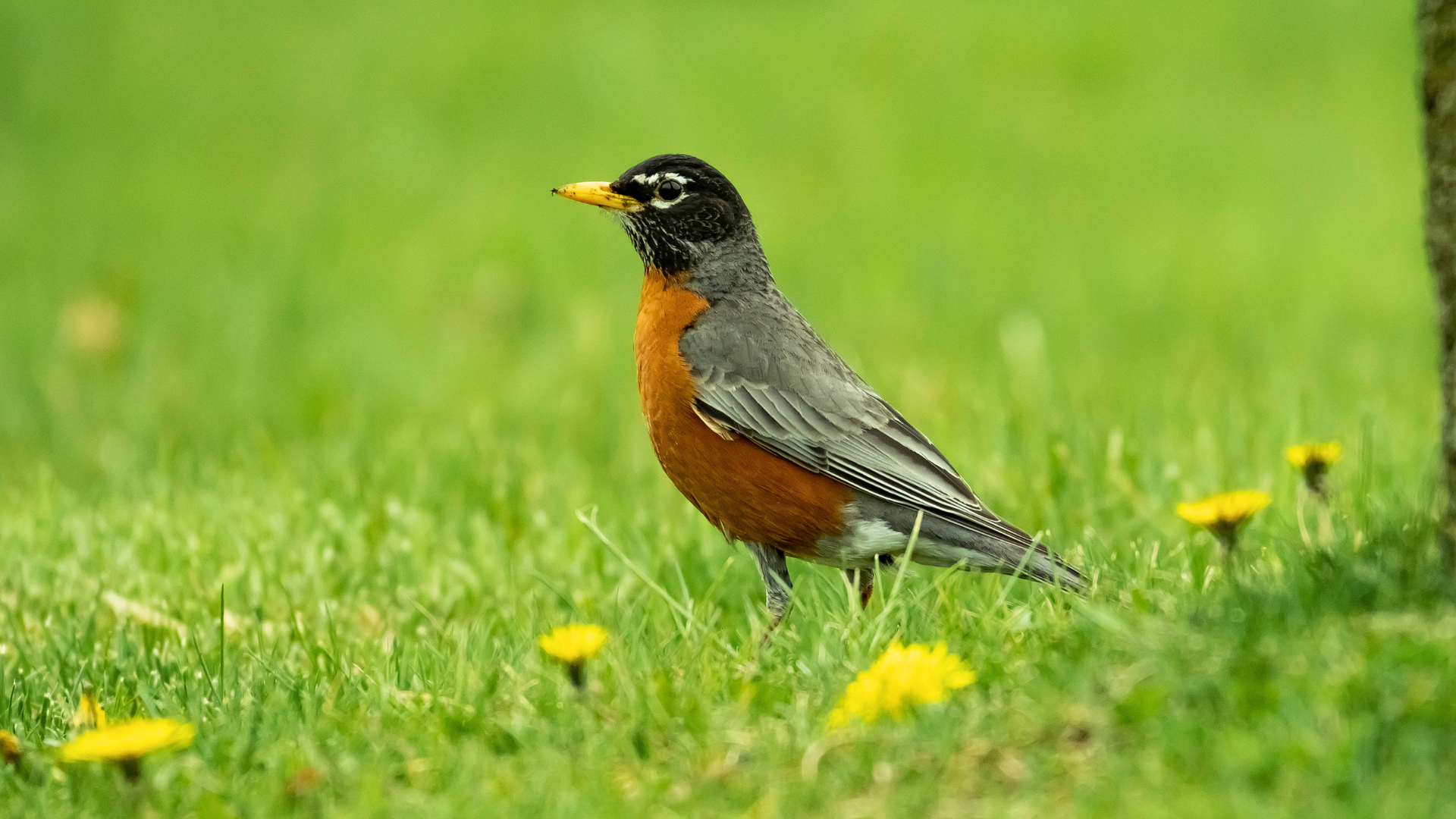

Binocular Focusing Speed Drills: Never Miss a Bird Again
Master binocular focusing speed with expert setup tips and practical drills. Never miss a fleeting warbler or flycatcher with fast target acquisition techniques.
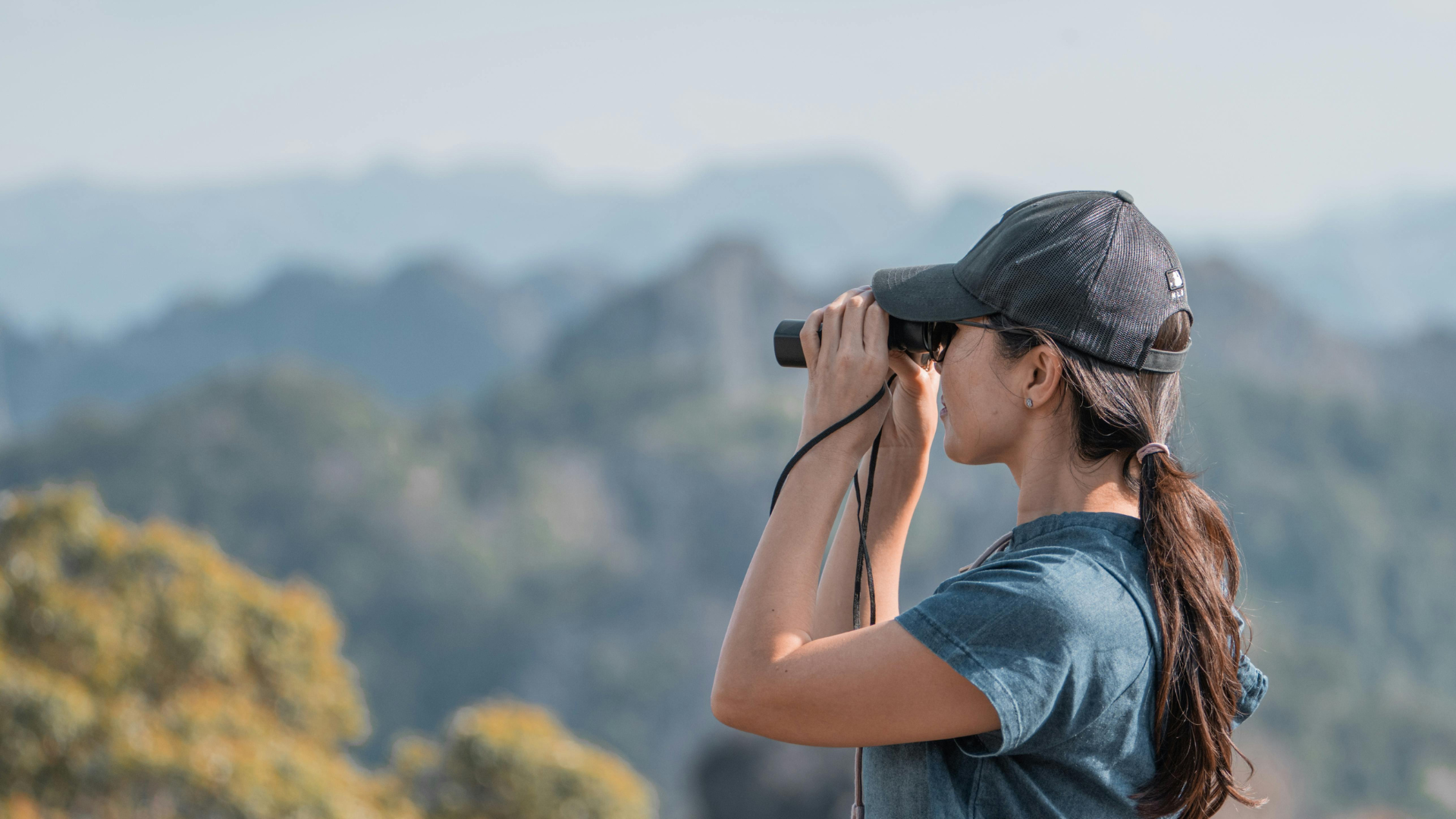
A warbler flits into view, perches for two seconds, and disappears. You got the binoculars up but the focus was soft and the bird was gone before the image cleared. This is one of the most frustrating experiences in birding, and for most people it is entirely preventable. Fast, accurate binocular focusing is a physical skill, and like any physical skill it improves dramatically with deliberate practice. This guide covers the essential setup steps that make fast focusing possible and a set of practical drills that will cut your average focus time and eliminate most of the missed opportunities that frustrate field birders.
Binocular Setup Basics: Get This Right First
The single most common reason birders struggle to focus quickly is incorrect basic setup. A binocular that is not properly adjusted for your eyes will always require significant correction on the focus wheel before the image clears. Spending five minutes on proper setup at the start of your birding season, and re-checking periodically, eliminates that lag entirely.
Setting Diopter and Interpupillary Distance
The diopter is the individual eye adjustment, usually a ring or dial on the right eyepiece, that corrects for differences in focus between your left and right eyes. If your diopter is not correctly set, every time you raise the binoculars you will need to turn the center focus wheel further than necessary to achieve sharpness, because you are fighting the correction your eyes automatically apply. Setting it correctly means the center focus wheel alone can bring images to sharp focus instantly.
To set the diopter: cover the right lens with a lens cap or your hand, focus on a high-contrast static target like text on a sign using only the center focus wheel with your left eye, then uncover the right lens, cover the left, and adjust the diopter ring only until the same target appears sharp with your right eye. Lock the diopter in position if your model has a locking feature. Now both eyes will reach sharp focus simultaneously when you turn the center wheel.
Interpupillary distance (IPD) is the spacing of the two barrels to match the distance between your eyes. If this is wrong, you will see two overlapping circles rather than a single merged image, and your brain will work harder to fuse the views, causing fatigue. Adjust by rotating the two barrels until you see a single clean circle. Memorize the IPD number on the scale and set it each time you use your binoculars.
- Set diopter once correctly and mark or lock the position
- Adjust interpupillary distance until you see a single merged image
- Set eye relief if your model has adjustable eyecups: extended for naked-eye users, retracted for eyeglass wearers
- Re-check diopter if you share binoculars or lend them to anyone
Focusing Drills and Exercises
Once your binoculars are properly set up, the remaining variable is the speed and accuracy with which your hands and eyes work together to acquire and focus on a target. This is a trainable motor skill. The following drills address the specific challenges of field birding: fleeting targets, targets at variable distances, and targets in cluttered backgrounds.
Infinity Pre-Focus Drill
Many experienced birders use a technique called infinity pre-focus. Before raising the binoculars, visually locate the target bird with your naked eye while simultaneously setting the focus wheel to roughly infinity focus for the distance you estimate the bird to be at. When the binoculars come up, only a minor final adjustment is needed. This habit requires you to estimate distance before each raise, which itself becomes a useful skill for assessing whether a target is at 20 feet, 100 feet, or 200 yards.
Practice this at home by pre-setting focus on distant objects before raising your binoculars to your eyes. Time yourself from first seeing the target to having a clear focused image. Most beginners take four to eight seconds; a well-practiced birder can achieve clarity in under two seconds for targets at a stable distance.
Moving Target Drills
Moving targets are the most challenging focusing scenario in the field. Set up a practice session using birds at a feeder, or practice in any setting with moving objects. As a bird or target moves, track it with your naked eye first to maintain contact, then bring the binoculars up and lock onto its current position rather than where you last saw it. Keeping your head as still as possible while moving only the focus wheel reduces shake and clears the image faster.
- Practice raising binoculars to a pre-selected spot rather than searching after raising them
- Use a feeder setup to practice rapid acquisition of birds entering from different directions
- Practice tracking a moving bird with naked eye first, then confirm with binoculars
- Drill distance estimation to develop pre-focus habits for different range categories
- Try scanning slowly along a tree line or shoreline rather than jumping between points
Common Binocular Mistakes and How to Fix Them
Several habitual errors prevent birders from focusing quickly even after years of field use. Identifying and correcting these habits produces immediate improvement.
Staring at the binoculars rather than the target while raising them is the most common mistake. Always keep your eyes on the bird as the binoculars come up to your face, guiding the optics to the bird rather than searching for the bird through the optics after raising them. A related error is raising binoculars too slowly to avoid disturbing the bird. A smooth, moderately fast raise is less noticeable to birds than a slow creeping motion because the silhouette change is brief.
Gripping the binoculars too tightly introduces shake that degrades image quality and makes fine focus adjustments harder. Hold them firmly but with relaxed wrists. Supporting the bottom of the binoculars against the ridge of your thumbs rather than squeezing the barrels reduces shake significantly and allows the index fingers to rest near the focus wheel for immediate adjustment.
- Keep eyes on the target while raising binoculars, not on the binoculars themselves
- Raise smoothly and moderately fast rather than slowly
- Relax your grip: hold firmly but with relaxed wrists to reduce shake
- Make one clean focus adjustment rather than multiple small corrections in both directions
- Re-check diopter setting if the image never seems to clear properly on one side
Frequently Asked Questions
How do I focus binoculars quickly in the field?
Start with a correctly set diopter and interpupillary distance so that your focus wheel alone controls sharpness without any residual correction needed. Develop a habit of pre-estimating distance before raising binoculars so the focus wheel requires only minor adjustment. Keep your eyes on the target bird as you raise the binoculars, not on the optics themselves. Practice these habits at a feeder or any convenient moving target until the sequence becomes automatic.
How do I set the diopter on my binoculars?
Cover the right lens, focus on a high-contrast static target with the center focus wheel using only your left eye, then cover the left lens and adjust the diopter ring until the same target is sharp with your right eye. Lock or note the diopter position. Both eyes will now reach sharp focus simultaneously with the center focus wheel alone.
What binocular mistakes do beginners make most often?
The most common mistakes are: not setting the diopter correctly, searching for the target through the binoculars after raising them instead of keeping eyes on the bird during the raise, gripping the barrels too tightly which increases shake, and making multiple back-and-forth corrections on the focus wheel instead of one clean pass. Each of these has a straightforward fix that produces immediate improvement in field performance.
Does binocular focusing speed really make a difference for birding?
Yes, significantly. Many identification opportunities in the field last two to five seconds before the bird moves into cover or flies. Reducing your focus time from six seconds to two seconds can double the number of clear identification views you get on any given outing. For fast-moving species like warblers, kinglets, and flycatchers, fast focusing is often the difference between a confident identification and a mystery bird.
Slow Is the Enemy, Practice Is the Solution
Binocular speed is one of those field skills that no amount of equipment upgrading can replace. A birder with a perfectly set up mid-range binocular and fast acquisition habits will see more birds clearly than someone with premium optics and poor technique. Set up your binoculars correctly once, run through the drills a few times a week during slow periods, and pay deliberate attention to your technique during the next few field sessions. Within a month you will be acquiring and focusing on birds that would have been missed birds before, and that improvement will follow you for the rest of your birding life.
The allure of off-the-beaten-path travel
Lorem ipsum dolor sit amet, consectetur adipiscing elit ut aliquam, purus sit amet luctus venenatis, lectus magna fringilla urna, porttitor rhoncus dolor purus non enim praesent elementum facilisis leo, vel fringilla est ullamcorper eget nulla facilisi etiam dignissim diam quis enim lobortis scelerisque fermentum dui faucibus in ornare quam viverra orci sagittis eu volutpat odio facilisis mauris sit amet massa vitae tortor.

Unveiling the charm of lesser-known Destinations
Orci sagittis eu volutpat odio facilisis mauris sit amet massa vitae tortor condimentum lacinia quis vel eros donec ac odio tempor orci dapibus ultrices in iaculis nunc sed augue lacus.
- Lorem ipsum dolor sit amet consectetur facilisi etiam dignissim diam quis enim
- Mauris aliquet faucibus iaculis dui vitae ullamco sit amet luctus
- Posuere enim mi pharetra neque proin dic rhoncus dolor purus non enim
- Dui faucibus in ornare posuere enim mi pharetra neque proin dicit
Finding solitude in hidden gem locations
Lorem ipsum dolor sit amet, consectetur adipiscing elit ut aliquam, purus sit amet luctus venenatis, lectus magna fringilla urna, porttitor rhoncus dolor purus non enim praesent elementum facilisis leo, vel fringilla est ullamcorper eget nulla facilisi etiam dignissim diam quis enim lobortis scelerisque fermentum dui faucibus in ornare quam viverra orci sagittis eu volutpat odio facilisis mauris sit amet massa vitae tortor condimentum lacinia quis vel eros donec ac odio tempor orci dapibus ultrices.
The thrill of discovering untouched natural beauty
Dolor sit amet, consectetur adipiscing elit ut aliquam, purus sit amet luctus venenatis, lectus magna fringilla urna, porttitor rhoncus dolor purus non enim praesent elementum facilisis leo, vel fringilla est ullamcorper eget nulla.
- Lorem ipsum dolor sit amet consectetur tempor orci dapibus ultrices
- Mauris aliquet faucibus iaculis dui vitae ullamco elementum facilisis
- Posuere enim mi pharetra neque proin dic fermentum dui faucibus in ornare
- Purus sit amet luctus posuere enim mi pharetra neque proin dic
“Ut enim ad minim veniam, quis nostrud exercitation ullamco laboris nisi ut aliquip ex ea commodo consequat uis aute irure dolor in reprehenderit in voluptate velit”
Exploring cultural marvels off the tourist radar
Donsectetur adipiscing elit ut aliquam, purus sit amet luctus venenatis, lectus magna fringilla urna, porttitor rhoncus dolor purus non enim praesent elementum facilisis leo, vel fringilla est ullamcorper eget nulla facilisi etiam dignissim diam quis enim lobortis scelerisque fermentum dui faucibus in ornare quam viverra orci sagittis eu volutpat odio facilisis mauris sit amet massa vitae tortor condimentum lacinia quis vel eros donec ac odio tempor orci dapibus ultrices in iaculis nunc sed.