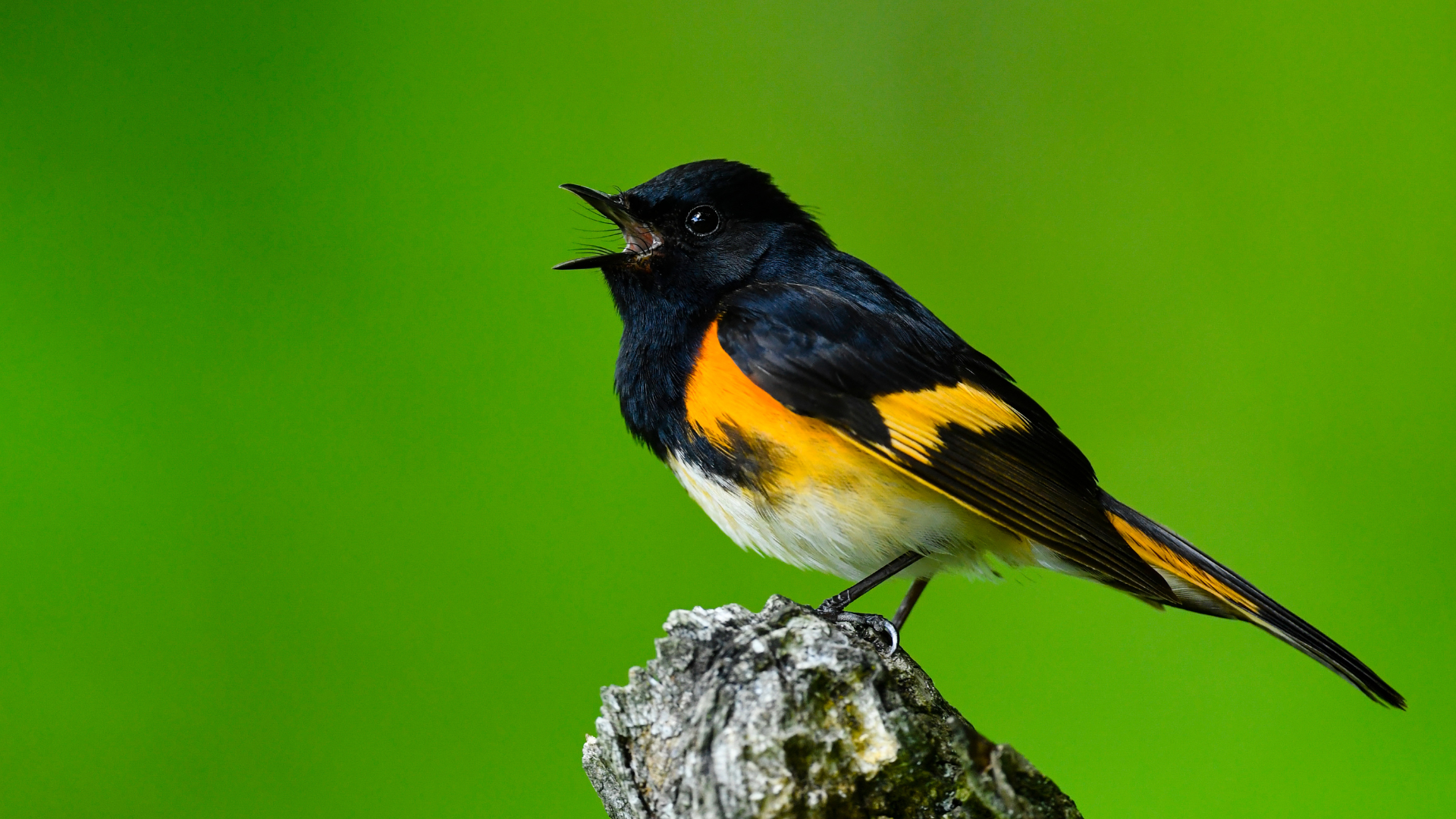
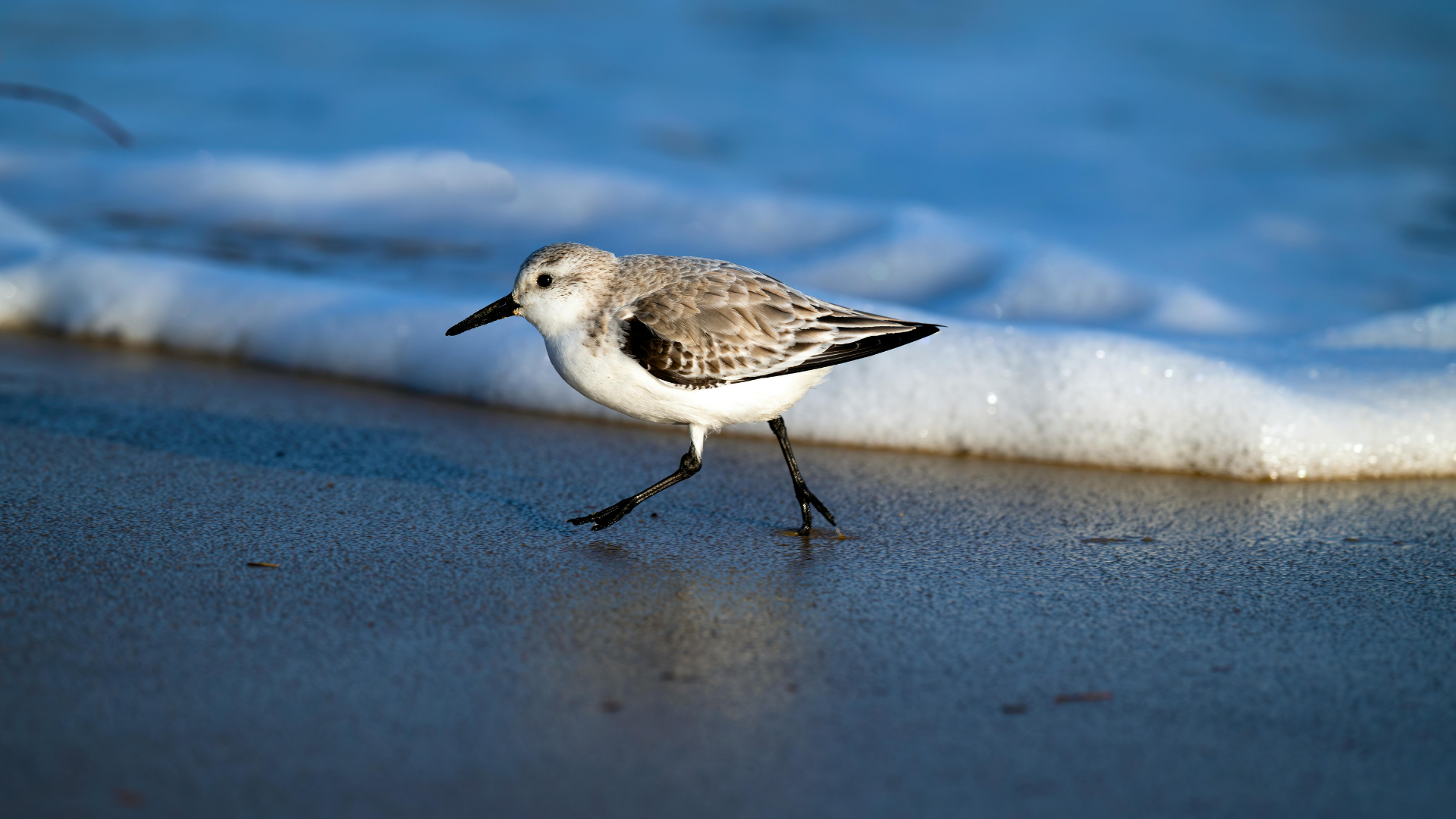
Patagonia’s vast landscapes can feel limitless, but ethical birding matters here just as much as anywhere else. Respect birds, habitats, and other people to ensure
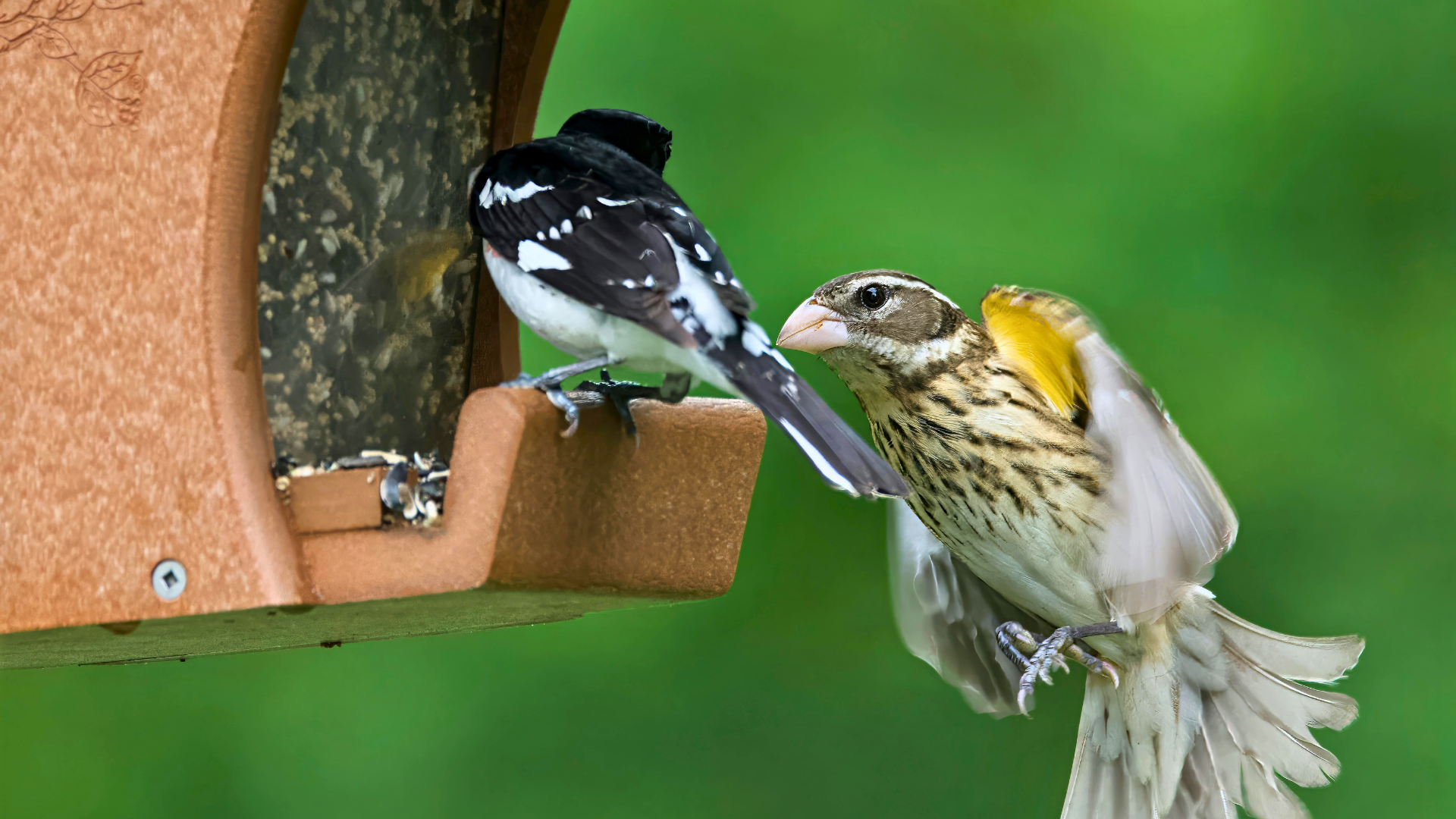
Rose-breasted Grosbeak feeder guide: seed setup, platform vs. tube feeders, and native plants that help.
How to hunt spring migration fallouts: the two-stage weather recipe and the habitat intercept method.
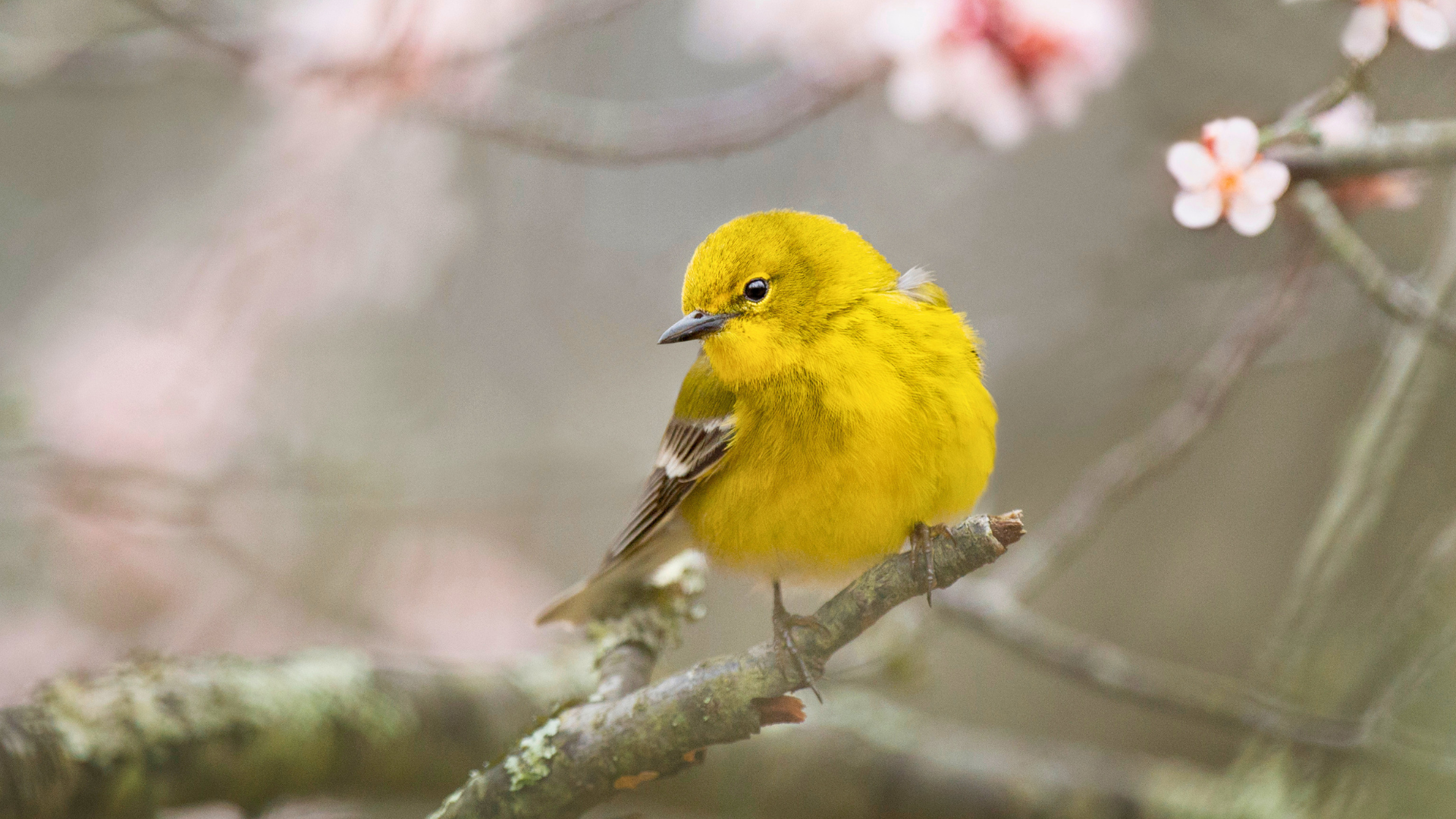
A complete daily timing guide for spring warblers: pre-dawn arrivals, the dawn chorus, and afternoon feeding.
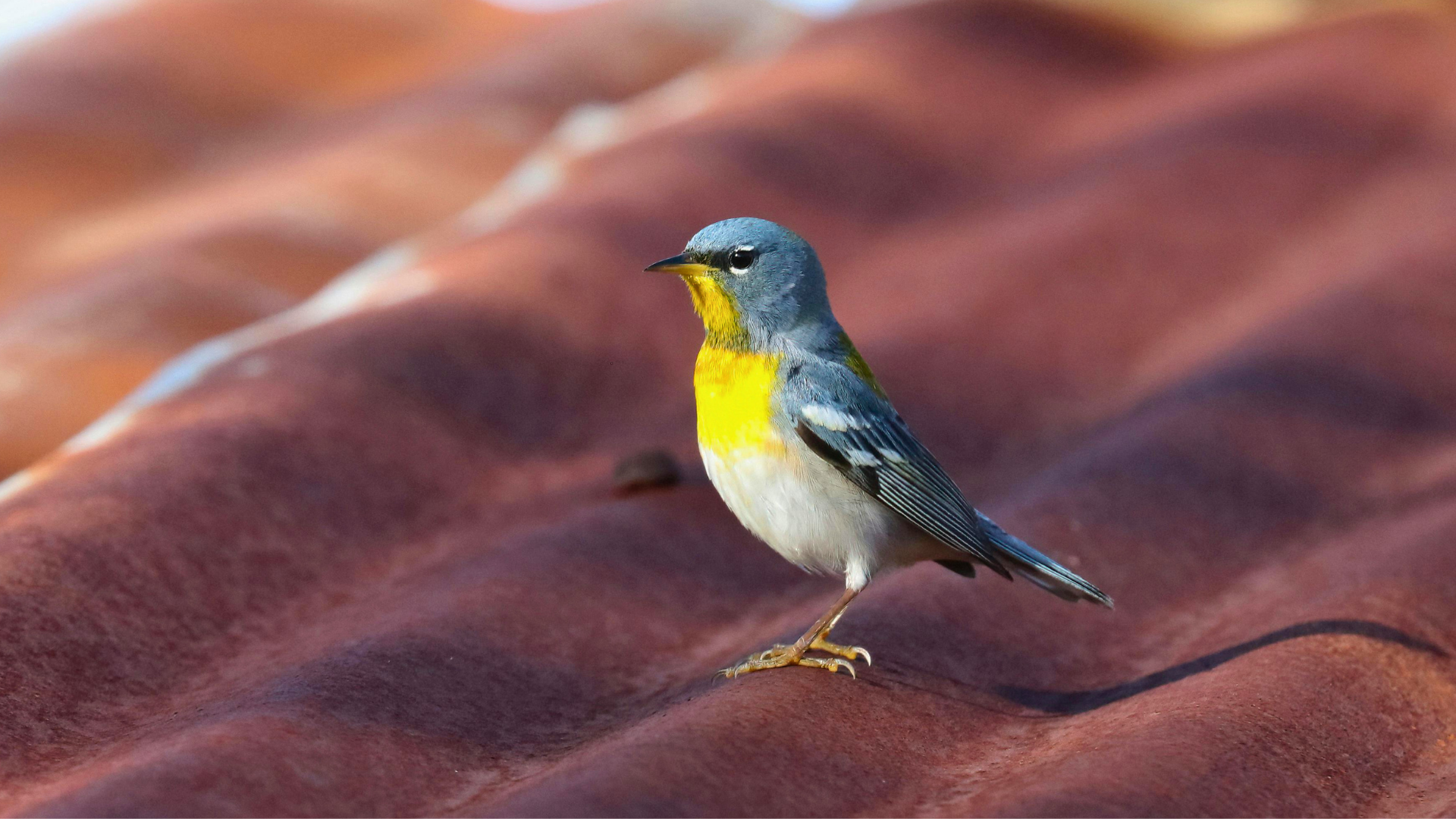
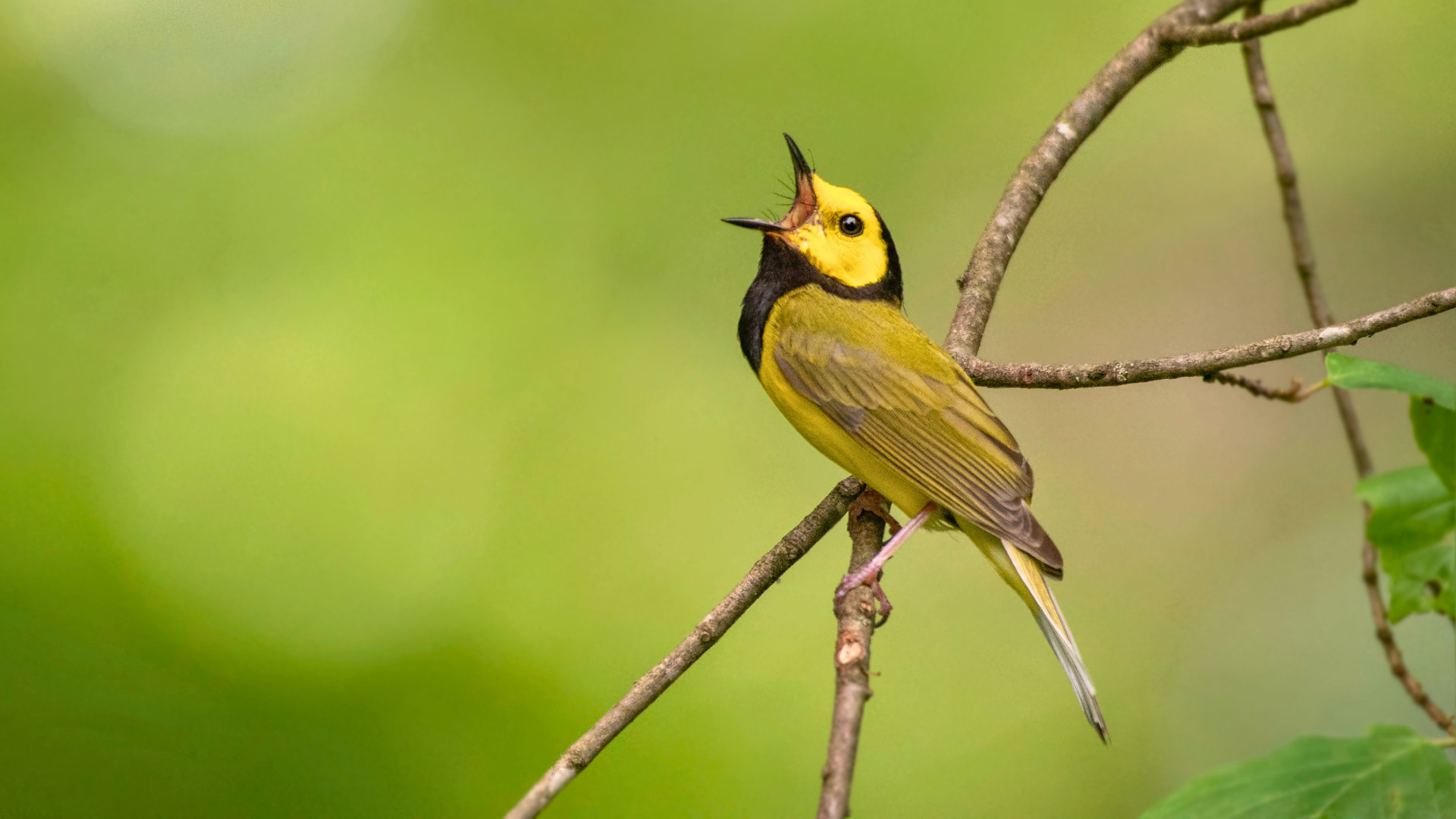
Three questions, six songs, and one method that works better than Merlin: how to learn spring warblers by ear.
How to find, read, and count hawks at spring migration sites: ridge updrafts and Great Lakes barrier explained.
How to find spring shorebirds in flooded agricultural fields: water depth, spotting scope use, and species ID.
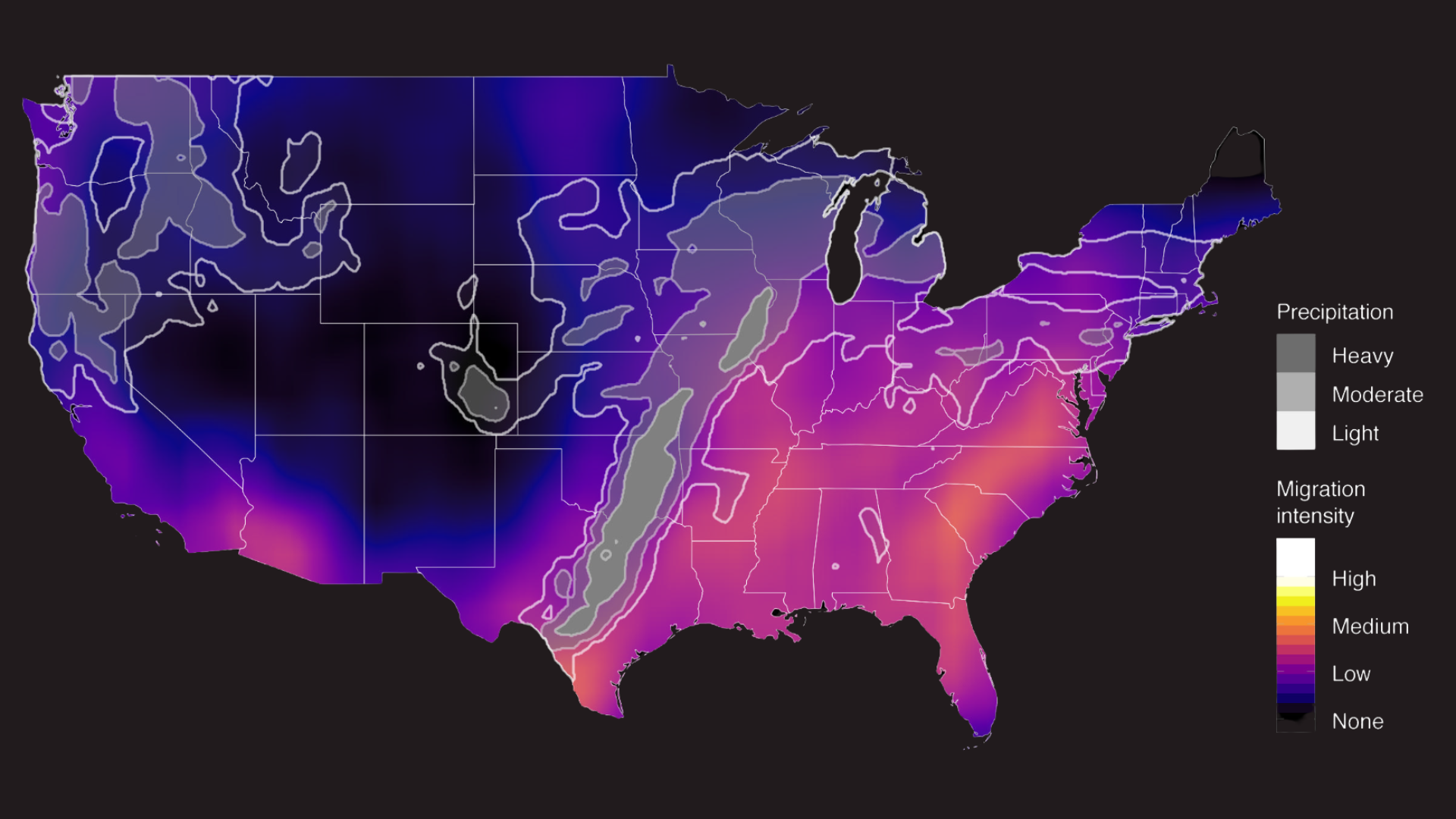
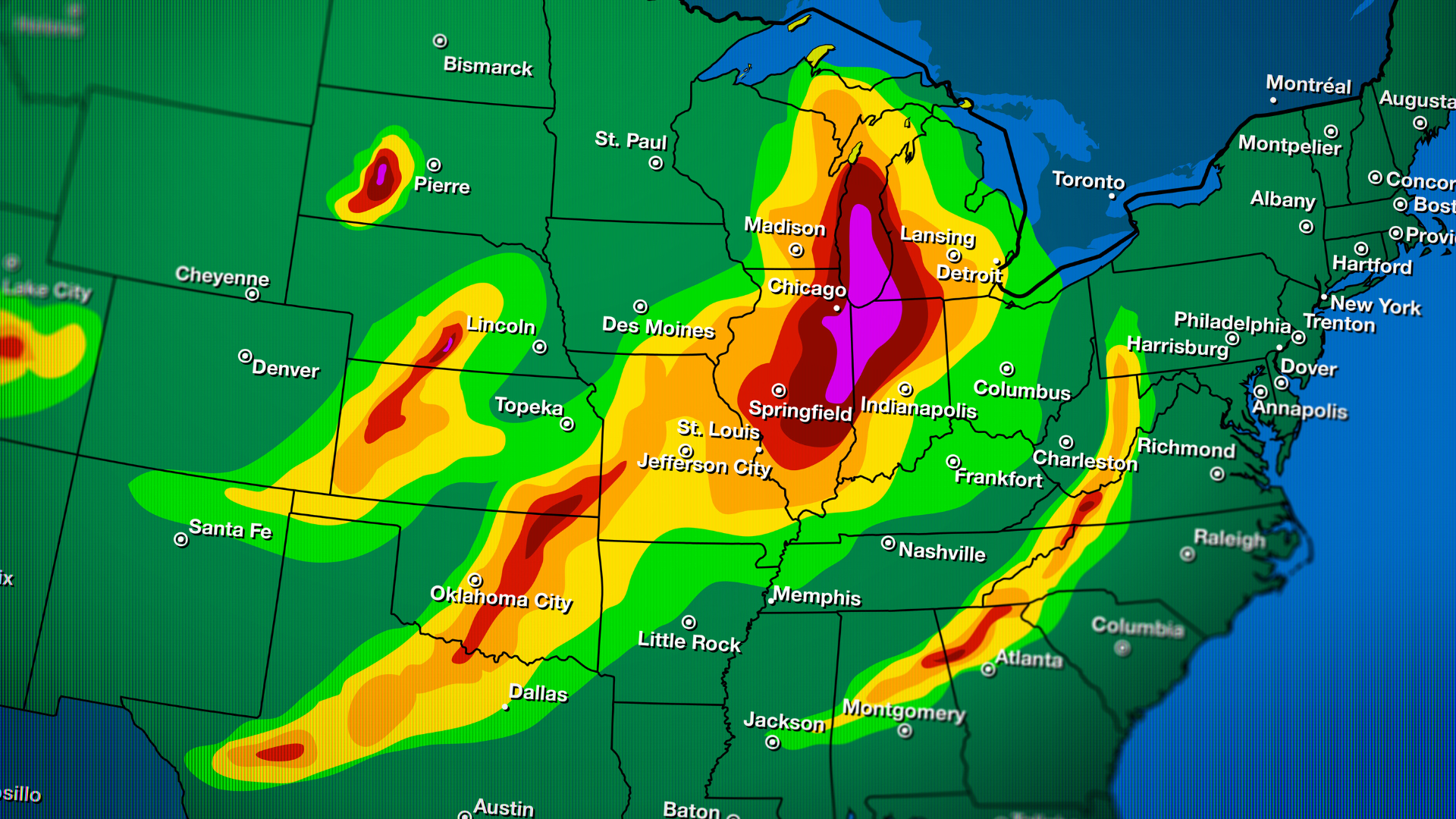
How to use Windy, NEXRAD radar, and the dBZ scale to predict spring migration nights.
That thin chip call you heard at night was a migrating warbler. Here's how to hear and record nocturnal flight calls.
From forecast maps to the new 216-city email alerts, here's exactly how to use BirdCast for spring birding.
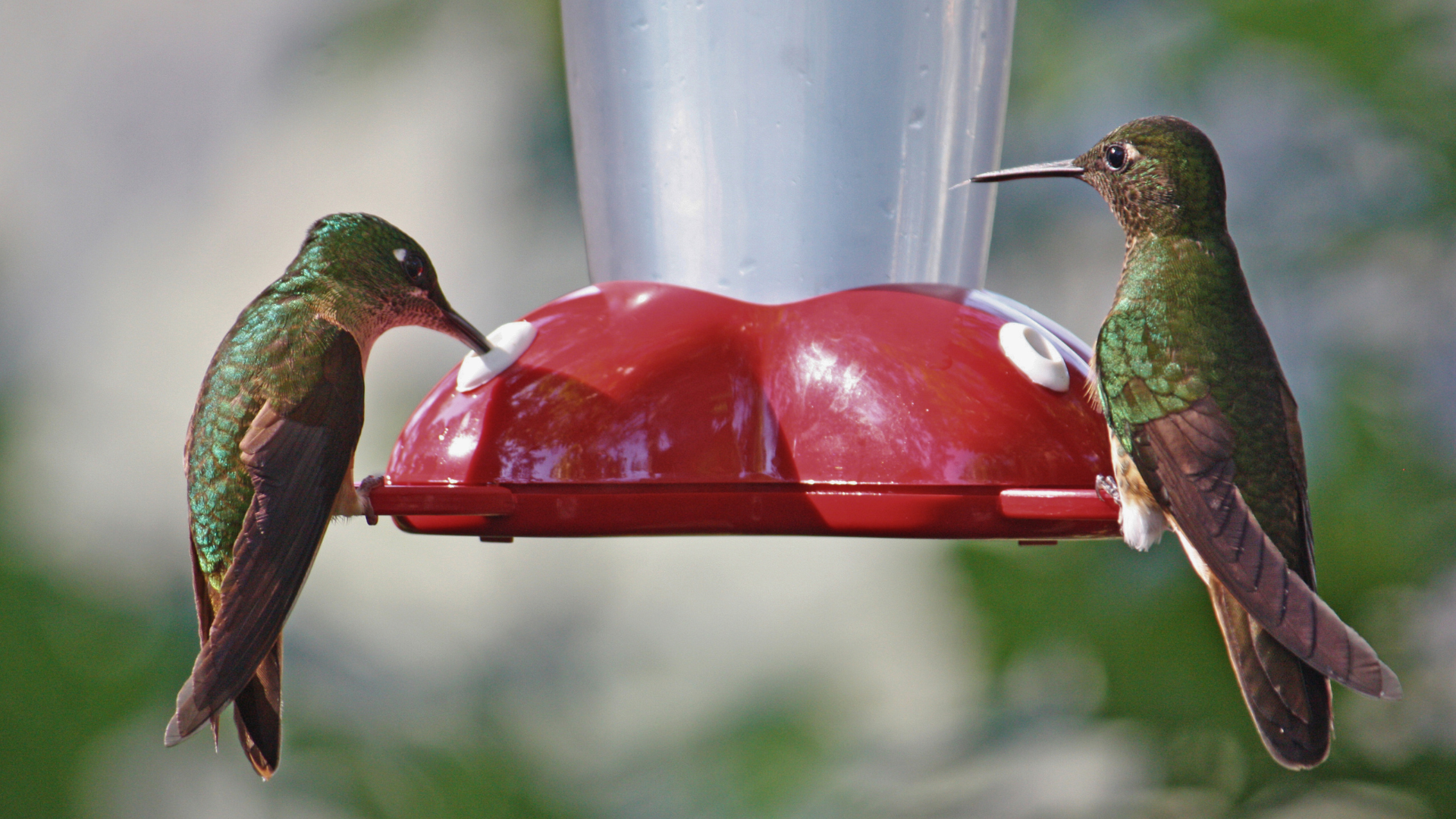
Don't wait for a sighting to hang your feeder. Our 2026 state-by-state table shows when Ruby-throated Hummingbirds arrive.
Ethical birdwatching means knowing distances, playback limits, and stress signals. The ABA guidelines explained.
Learn binocular speed drills and diopter setup to focus faster and stop missing fleeting warblers and flycatchers.
Use cold fronts, wind direction, fog, and pressure patterns to find more birds on every outing.
Discover the dawn chorus: when and where to listen, how to separate species voices, and tools to identify morning birdsong.
Keep better birding field notes with templates, sketching tips, waterproof notebook picks, and eBird integration.
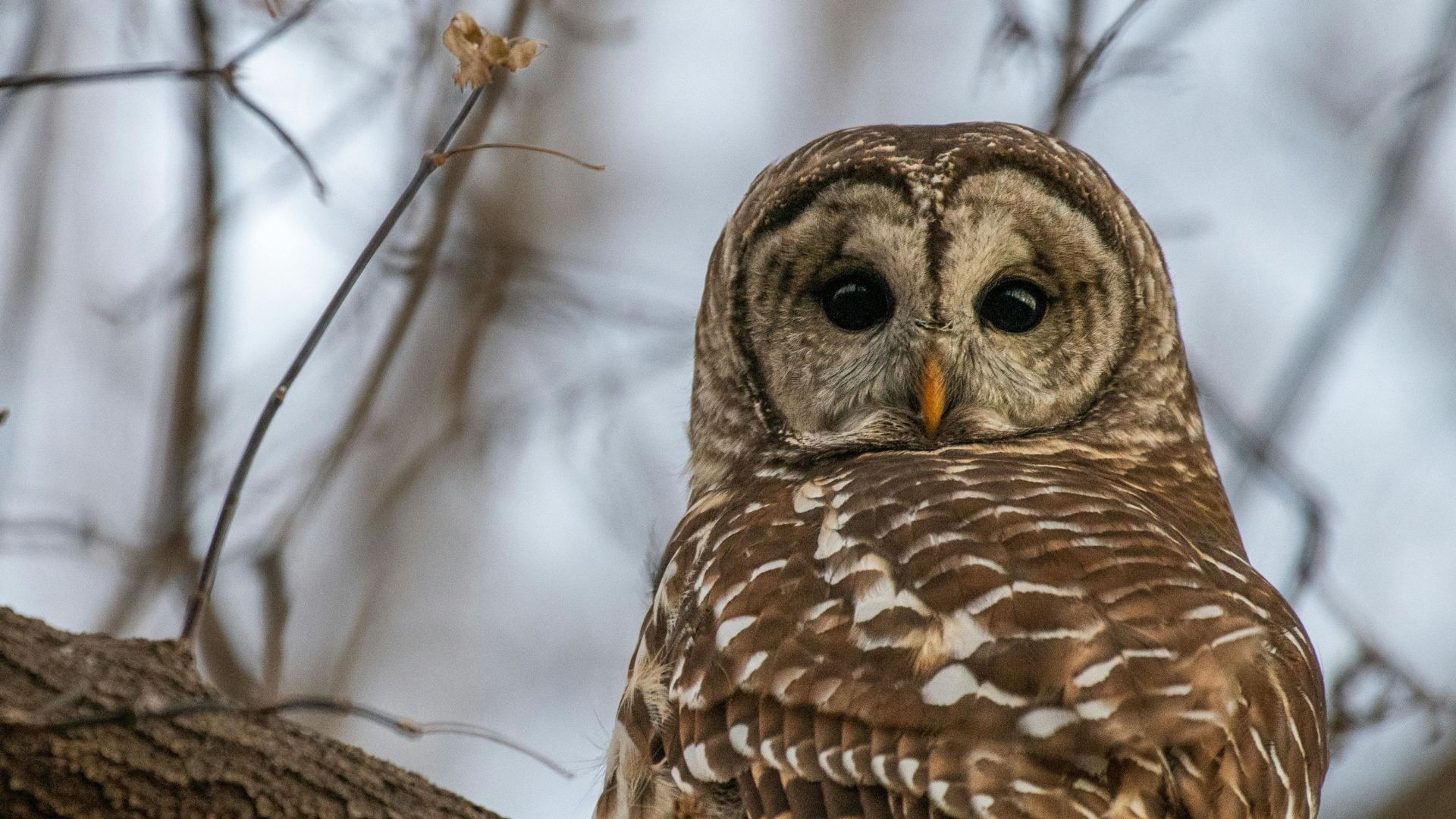
Find owls using pellets, whitewash, mobbing birds, and dawn scanning techniques for Great Horned and Barred Owls.
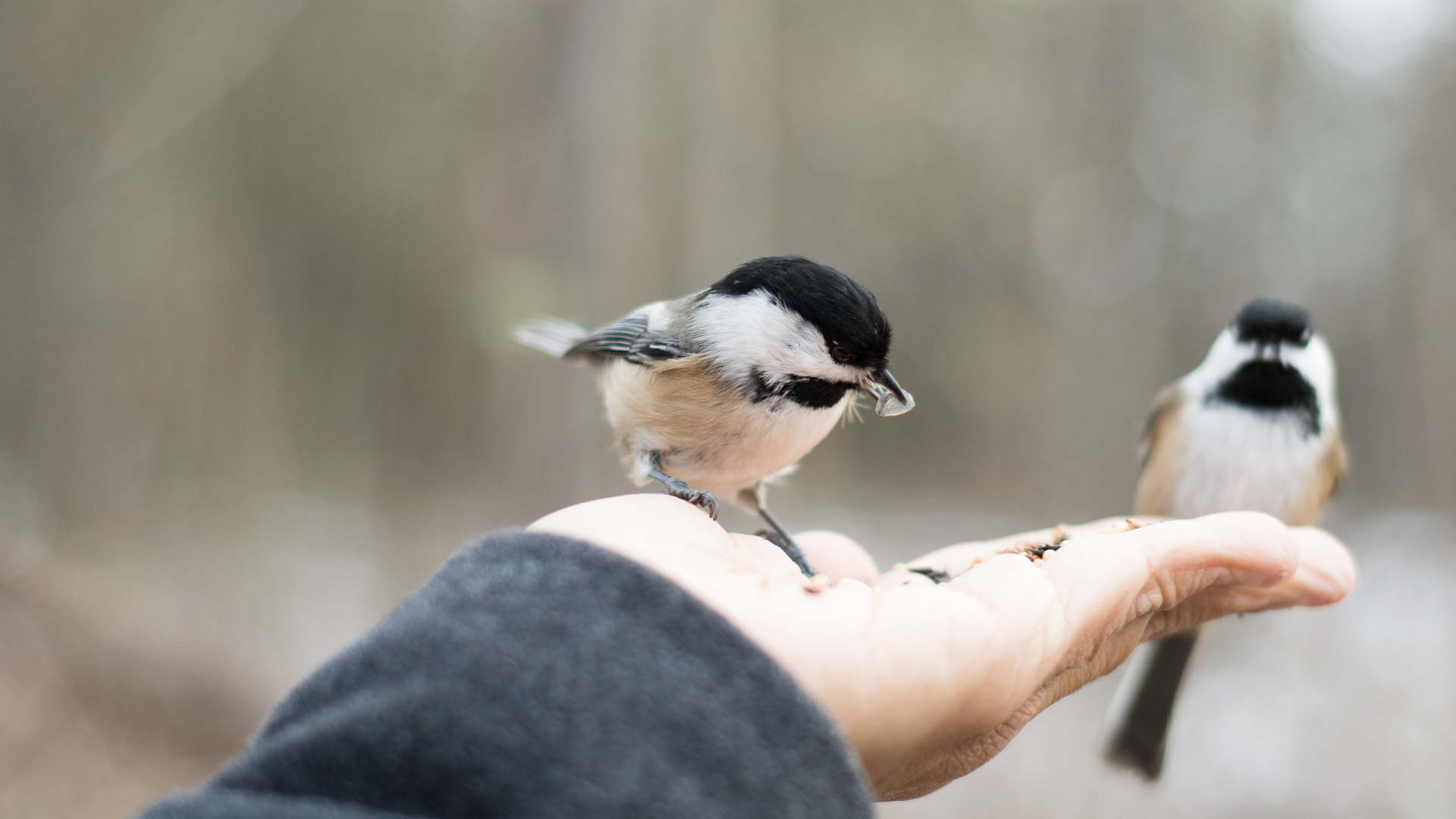
Pishing attracts warblers and chickadees from cover. Learn the technique, best species, and ethics for responsible use.
Learn to identify birds by sound with tips on songs, calls, Merlin app, and ear-training strategies for North American birders.
Cornell's 4 keys to bird ID help birders identify species fast using size, shape, behavior, and habitat clues.
Ethical birding in Patagonia is about restraint, respect, and awareness.
Bus travel in Patagonia doubles as exceptional birding, especially for Lesser Rhea and steppe species.