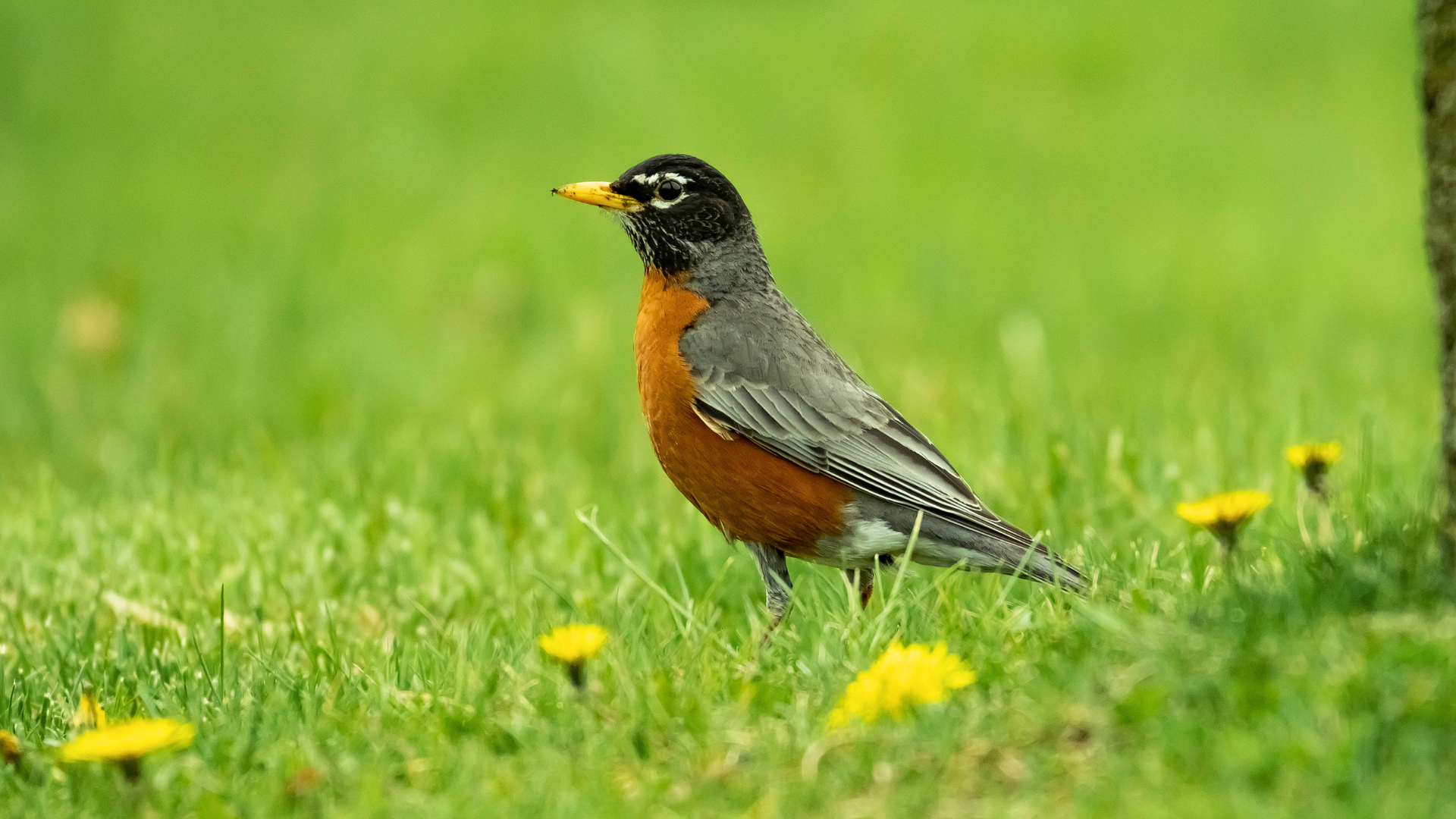

Birding From the Bus in Patagonia: The Ultimate Way to Spot Lesser Rhea
Long-distance bus travel is unavoidable in Patagonia, but it’s also one of the best birding opportunities. Learn how to spot Lesser Rhea, condors, flamingos, geese,
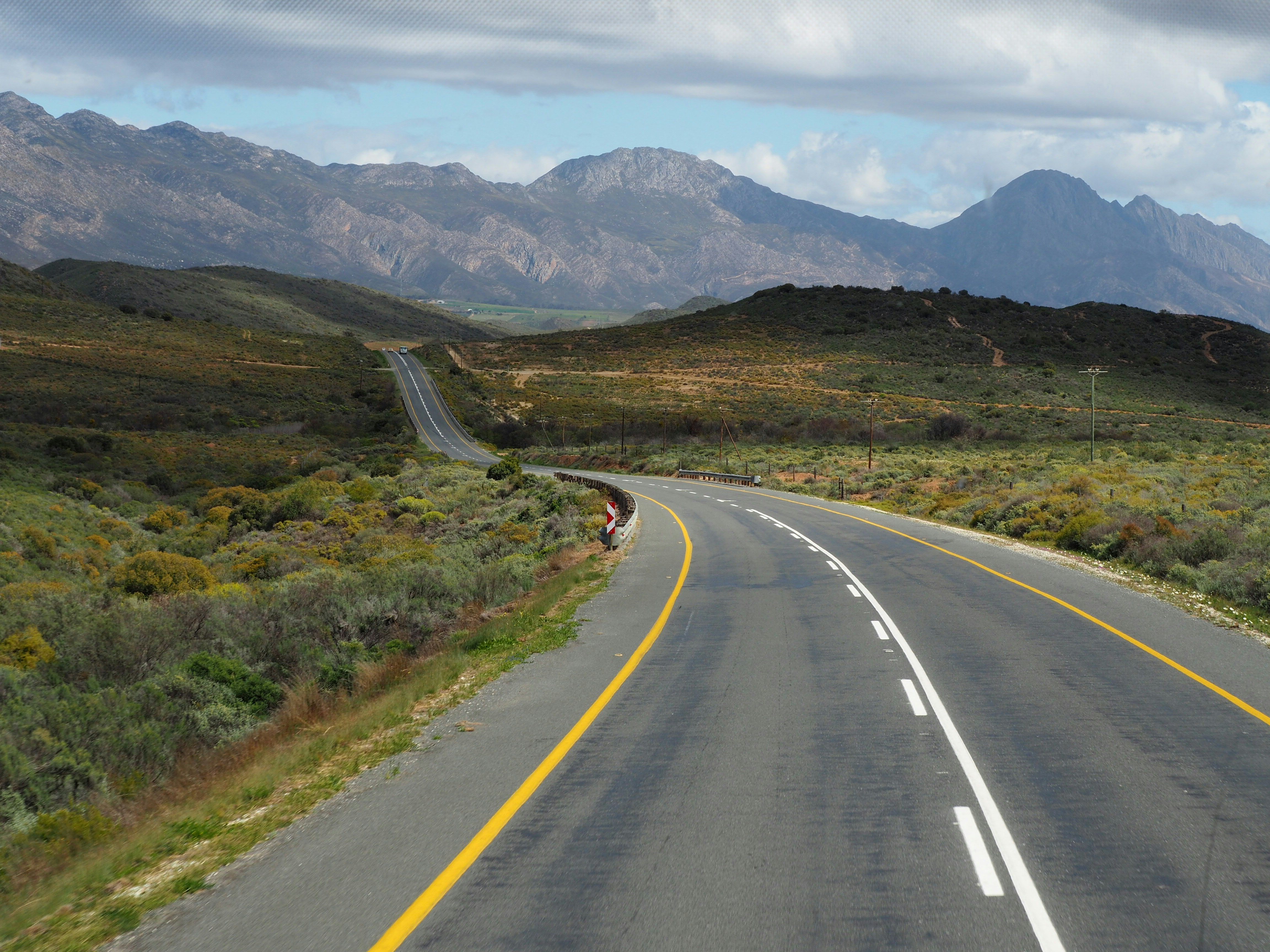
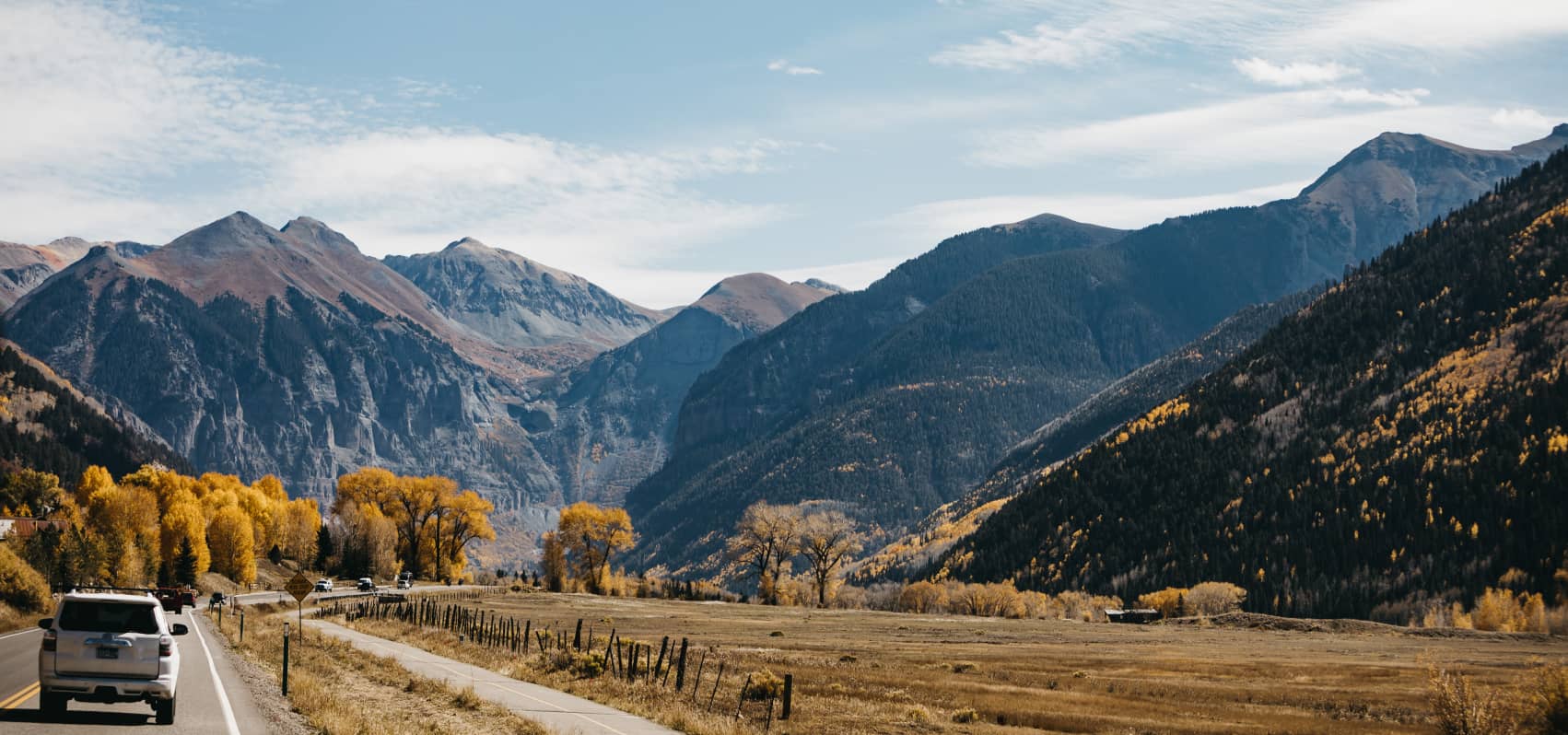
Long-distance bus travel is a fact of life in Patagonia. Cities like El Calafate, El Chaltén, Puerto Natales, and Ushuaia are separated by vast stretches of open steppe, rolling plateaus, and mountain valleys.
What many travelers overlook is that these bus rides offer some of the best birding opportunities in the region, especially for species that are otherwise difficult to see on foot.

Why Bus Travel Is Exceptional for Birding in Patagonia
Patagonian highways cut directly through:
- Open steppe
- Shallow wetlands
- Glacial valleys
- Low mountain passes
These are exactly the habitats favored by many iconic Patagonian birds. Unlike forest birding, visibility is often excellent, and the elevated perspective from a bus window can actually help with scanning large areas efficiently.
Long drives may feel slow, but biologically, they’re incredibly rich.
The #1 Bus Bird: Lesser Rhea
If you want to add Lesser Rhea to your life list, bus travel is one of the most reliable methods.
Why buses work so well for Lesser Rhea:
- Roads pass through prime steppe habitat
- Rheas tolerate vehicles more than pedestrians
- Groups are often seen near guanacos
What to look for:
- Large, gray-brown birds moving steadily across open plains
- Often near or behind guanaco herds
- Sometimes partially hidden by low vegetation
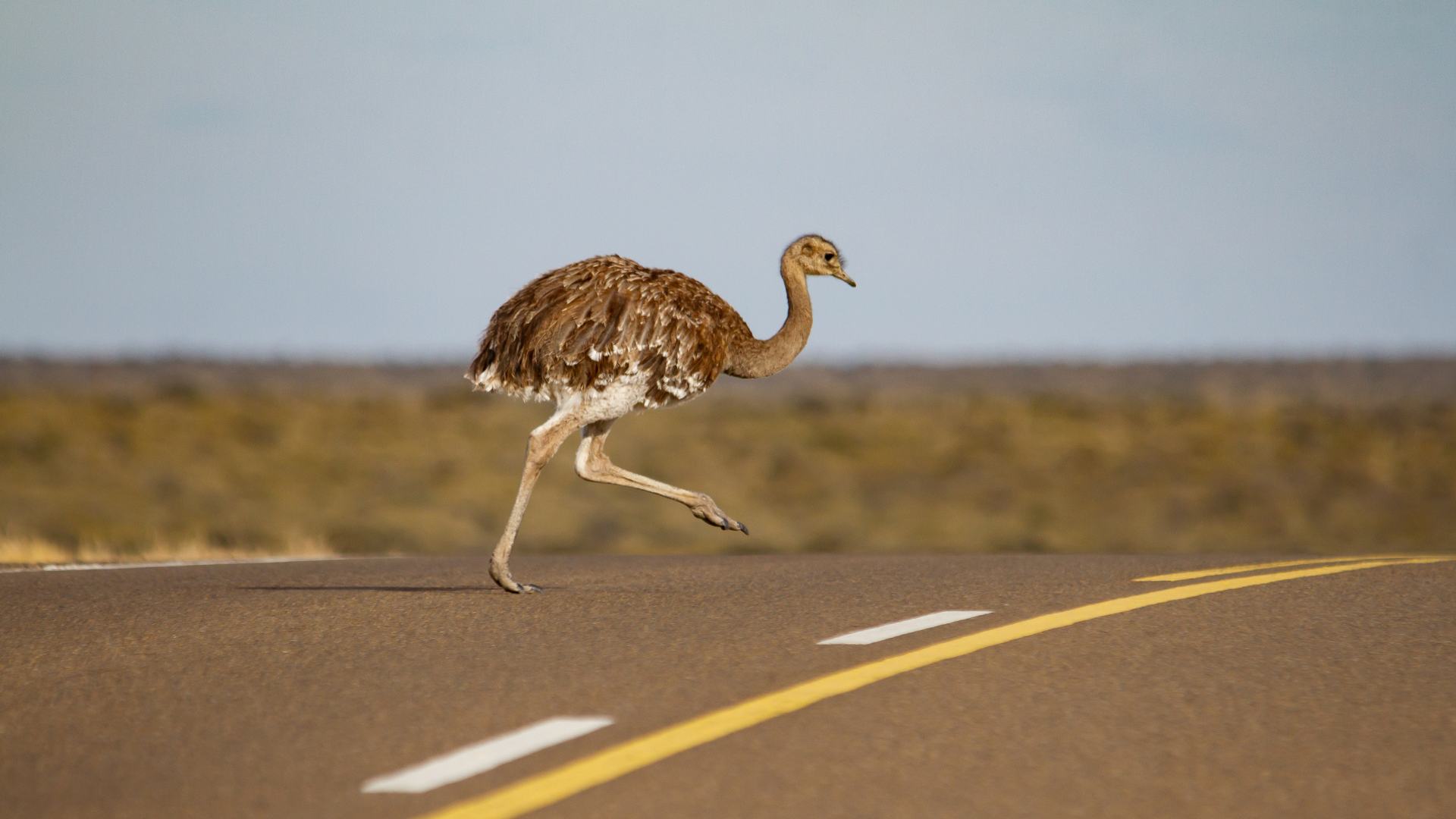
Pro tip: Scan continuously, not just straight ahead. Rheas often appear suddenly at mid-distance and disappear just as fast.
Birds Commonly Seen From the Bus
Steppe & Open Country Species
- Lesser Rhea
- Guanacos (great habitat indicators)
- Patagonian Mockingbird
- Austral Negrito
- Crested Caracara
- Chimango Caracara
Wetlands & Roadside Ponds
Small ponds and seasonal wetlands close to the road can hold surprises:
- Chilean Flamingo
- Upland Goose
- Ashy-headed Goose
- Ruddy-headed Goose
- Least Seedsnipe
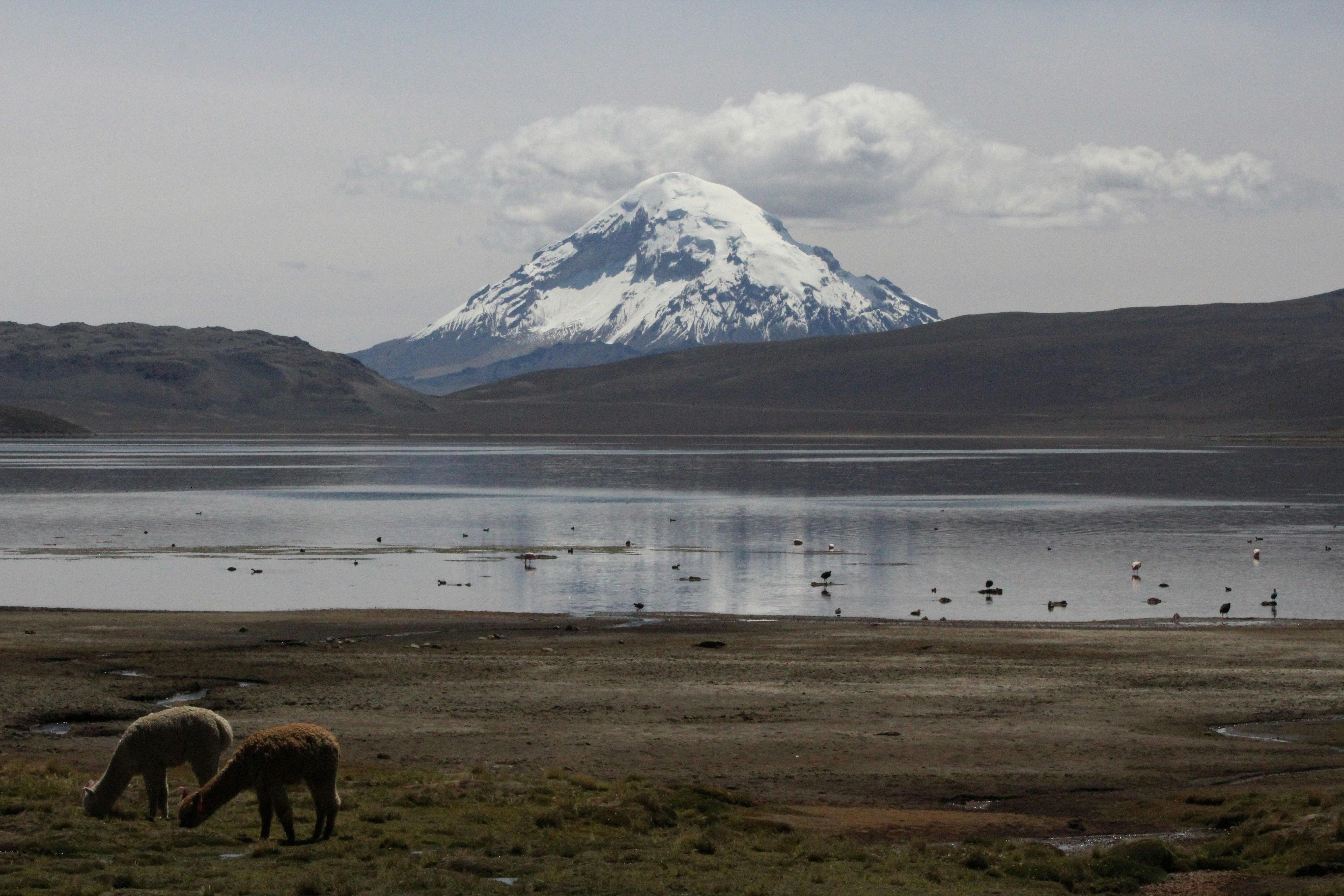
These ponds are easy to miss if you’re distracted - stay alert.
Raptors Seen During Bus Drives
Bus routes frequently pass through raptor-rich corridors.
Common sightings include:
- Andean Condor (especially near cliffs and ridgelines)
- Black-chested Buzzard-Eagle
- Crested Caracara
- Chimango Caracara
- Aplomado Falcon (fast, low, and easy to miss)

Raptors often appear briefly - training your eye is key.
How to Bird Effectively From a Bus
Seat Choice Matters
- Choose a window seat
- Front or middle of the bus reduces vibration
- Avoid seats directly over the wheels if possible
What to Scan
- Fence lines
- Open flats near guanacos
- Shallow ponds
- Ridge crests and cliff edges
Mindset Shift
This is active birding, not passive travel. Keep scanning, even when nothing seems to be happening.
Common Mistakes
- Treating bus travel as “dead time”
- Only looking straight ahead
- Ignoring guanaco herds (they’re habitat markers)
- Not knowing target species silhouettes beforehand
Preparation makes all the difference.
Key Takeaways
- Bus travel is one of the best ways to bird Patagonia
- Lesser Rhea is most reliably seen from long bus routes
- Steppe, wetlands, and raptors are all visible from the road
- Guanacos often indicate prime bird habitat
- Staying alert turns travel time into birding time
The allure of off-the-beaten-path travel
Lorem ipsum dolor sit amet, consectetur adipiscing elit ut aliquam, purus sit amet luctus venenatis, lectus magna fringilla urna, porttitor rhoncus dolor purus non enim praesent elementum facilisis leo, vel fringilla est ullamcorper eget nulla facilisi etiam dignissim diam quis enim lobortis scelerisque fermentum dui faucibus in ornare quam viverra orci sagittis eu volutpat odio facilisis mauris sit amet massa vitae tortor.
Unveiling the charm of lesser-known Destinations
Orci sagittis eu volutpat odio facilisis mauris sit amet massa vitae tortor condimentum lacinia quis vel eros donec ac odio tempor orci dapibus ultrices in iaculis nunc sed augue lacus.
- Lorem ipsum dolor sit amet consectetur facilisi etiam dignissim diam quis enim
- Mauris aliquet faucibus iaculis dui vitae ullamco sit amet luctus
- Posuere enim mi pharetra neque proin dic rhoncus dolor purus non enim
- Dui faucibus in ornare posuere enim mi pharetra neque proin dicit
Finding solitude in hidden gem locations
Lorem ipsum dolor sit amet, consectetur adipiscing elit ut aliquam, purus sit amet luctus venenatis, lectus magna fringilla urna, porttitor rhoncus dolor purus non enim praesent elementum facilisis leo, vel fringilla est ullamcorper eget nulla facilisi etiam dignissim diam quis enim lobortis scelerisque fermentum dui faucibus in ornare quam viverra orci sagittis eu volutpat odio facilisis mauris sit amet massa vitae tortor condimentum lacinia quis vel eros donec ac odio tempor orci dapibus ultrices.
The thrill of discovering untouched natural beauty
Dolor sit amet, consectetur adipiscing elit ut aliquam, purus sit amet luctus venenatis, lectus magna fringilla urna, porttitor rhoncus dolor purus non enim praesent elementum facilisis leo, vel fringilla est ullamcorper eget nulla.
- Lorem ipsum dolor sit amet consectetur tempor orci dapibus ultrices
- Mauris aliquet faucibus iaculis dui vitae ullamco elementum facilisis
- Posuere enim mi pharetra neque proin dic fermentum dui faucibus in ornare
- Purus sit amet luctus posuere enim mi pharetra neque proin dic
“Ut enim ad minim veniam, quis nostrud exercitation ullamco laboris nisi ut aliquip ex ea commodo consequat uis aute irure dolor in reprehenderit in voluptate velit”
Exploring cultural marvels off the tourist radar
Donsectetur adipiscing elit ut aliquam, purus sit amet luctus venenatis, lectus magna fringilla urna, porttitor rhoncus dolor purus non enim praesent elementum facilisis leo, vel fringilla est ullamcorper eget nulla facilisi etiam dignissim diam quis enim lobortis scelerisque fermentum dui faucibus in ornare quam viverra orci sagittis eu volutpat odio facilisis mauris sit amet massa vitae tortor condimentum lacinia quis vel eros donec ac odio tempor orci dapibus ultrices in iaculis nunc sed.