
Note Taking in a Field Notebook: The Birder's Guide to Better Records
Master birding field notes: what to record, quick sketching tips, waterproof notebook picks, and eBird integration for better birding.
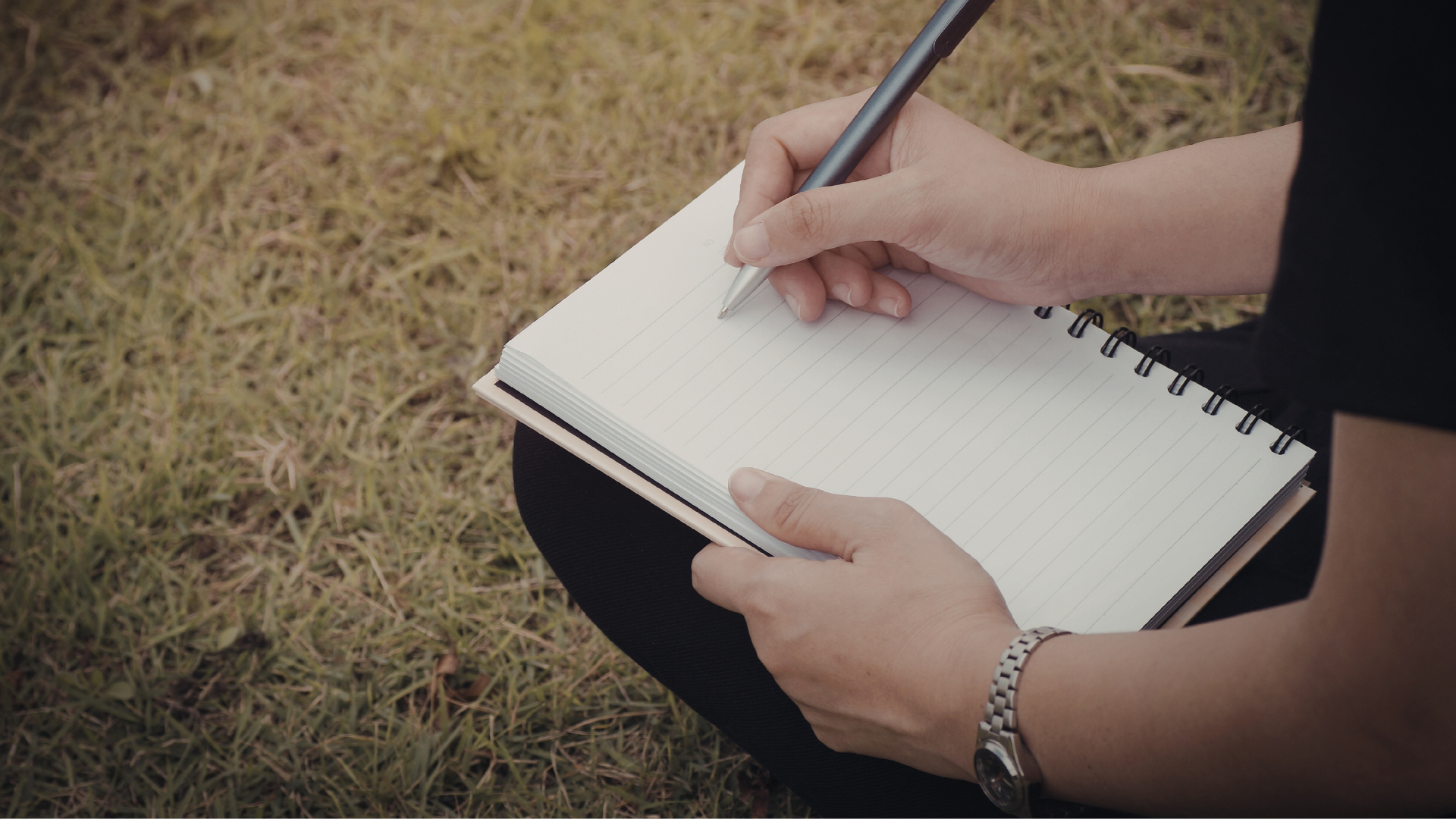
A birding field notebook is one of the most powerful tools available to any birder, beginner or expert, yet it is one of the most neglected. In an age when apps like Merlin and eBird handle species logging automatically, it might seem redundant to carry a paper notebook into the field. But field notes do something no app can replicate: they train your powers of observation, create a permanent personal record of your birding history, and generate the raw material for better identification skills over time. Cornell Lab of Ornithology instructors and professional ornithologists alike recommend field note-taking as the single most effective practice for improving birding ability.
This guide covers what to record in your birding field notes, how to sketch birds quickly in the field, how to choose the right notebook for outdoor conditions, and how to integrate your notes with digital platforms like eBird.
Why Keeping Birding Field Notes Matters
The act of writing forces a quality of observation that passive looking does not. When you commit to recording a bird in your notebook, you automatically look harder: you notice the eye ring you would have glossed over, confirm whether those wingbars are single or double, count the breast streaks, and register the behavior. That attentive looking is precisely what builds the pattern recognition that makes expert birders appear to identify birds effortlessly.
Field notes also create an irreplaceable historical record. eBird checklists capture presence and count but contain none of the observational texture that makes a sighting come alive years later. A well-kept notebook entry from a morning in October might include weather conditions, the quality of light, behavioral observations, habitat notes, and a rough sketch that eBird simply does not accommodate. These personal archives become genuinely valuable over time, both scientifically and personally.
What to Record in Your Birding Field Notes
Effective field notes follow a consistent structure that becomes automatic with practice. Think of each entry as answering a set of core questions about every sighting and observation session.
A Simple Field Notes Template
Begin every session with a header block that records the date, start and end time, location with as much geographic precision as practical, weather conditions including temperature, wind direction and strength, cloud cover, and precipitation, and the names of any companions. These contextual details transform a species list into a meaningful ecological snapshot and are essential for any future analysis of your records.
For individual species entries, record: the species name or a working description if uncertain, the number of individuals observed, the habitat microhabitat in which they were found, the behavior observed such as foraging, calling, displaying, or in flight, and any field marks that confirmed the identification or that you want to remember for future reference. For unusual or rare species, expand the description to cover every observable feature in systematic order from bill to tail.
- Date, start and end time, and location with GPS coordinates if possible
- Weather: temperature, wind, cloud cover, precipitation
- Habitat type: forest edge, open marsh, urban park, coastal shrub
- For each species: count, behavior, microhabitat, confirming field marks
- Notes on light conditions and distance of observation for context
Sketching Birds Quickly in the Field
You do not need to be an artist to sketch birds in a field notebook. Field sketching is not about producing beautiful illustrations; it is about capturing diagnostic information quickly. A rough outline with arrows pointing to key marks is more valuable than a careful rendering that takes ten minutes to complete while the bird has long since departed.
Starting with Quick Basic Shapes
Begin every sketch with a basic oval for the body and a smaller oval for the head. Add a triangle for the bill and a rectangle for the tail. This takes five seconds and gives you a framework to annotate. From there, add lines for the wing fold, a mark for the eye position, and notations for any color patches or streaking patterns you can see. Arrows with short labels like yellow rump or bold eye ring are more useful than trying to color or shade the image accurately.
Practice by sketching common known birds first. Draw a White-throated Sparrow from memory, then compare to a photograph. The exercise of transferring your visual knowledge of a familiar bird to paper reveals exactly which features you observe clearly and which ones you realize you have been seeing only vaguely. This kind of structured self-assessment accelerates both sketching skill and field observation quality simultaneously.
- Start with a body oval and head oval, then add bill and tail shapes
- Use arrow annotations rather than trying to color the entire bird
- Note proportions: bill length relative to head, tail length relative to body
- Add a scale reference like a leaf or branch to suggest the bird's size
- Write notes beside the sketch rather than assuming you will remember details later
Choosing the Right Notebook for the Field
The best field notebook is the one you actually carry and use consistently, but some physical qualities matter more than others for outdoor birding. Standard paper notebooks suffer in rain, fog, and humid conditions common in North American birding environments from coastal fog to spring drizzle to Quebec winters. Waterproof or water-resistant notebooks solve this problem entirely and are worth the modest premium.
Popular options among North American birders include notebooks with synthetic paper that writes well in wet conditions, small-format notebooks that fit in a chest pocket for constant accessibility, and hardback covers that provide a writing surface without needing a separate support. Rite in the Rain notebooks are widely used and available in formats that suit both quick-list noting and detailed sketch entries. A pencil rather than a ballpoint pen is recommended for waterproof notebooks, as pencil adheres better to synthetic paper surfaces and works in cold temperatures when ink may skip or freeze.
- Waterproof or synthetic paper for all-weather use
- Pocket size: fits in a chest or jacket pocket without interfering with binocular use
- Hardback cover: doubles as a writing surface in the field
- Pencil: writes reliably on synthetic paper in cold and wet conditions
- Dedicated layout: some birders use half-page for notes and half-page for sketches
Integrating Field Notes with eBird
eBird and a physical field notebook are complementary rather than competing systems. eBird excels at species presence data that contributes to the world's largest citizen science bird database and generates personal life, year, and location lists automatically. Your physical notebook captures the observational texture, behavioral detail, and sketches that make a sighting meaningful beyond a checkbox.
A practical workflow combines both: jot quick notes and sketches in the field with your notebook, then transfer species lists and counts to an eBird checklist later the same day while the details are fresh. The notebook also serves as a backup when eBird app connectivity fails or when your phone battery dies in the field, a situation every serious birder eventually encounters. For rare or unusual sightings, detailed notebook descriptions provide the documentation that rare bird committees and future records researchers require.
Frequently Asked Questions
What should I include in birding field notes?
Every session should begin with date, time, location, weather, and habitat. For individual sightings record species, count, behavior, microhabitat, and confirming field marks. For rare birds, include a full systematic description from bill to tail, distance of observation, and light conditions. The more contextual detail you include, the more useful the notes become over time.
What are the best notebooks for birders?
Waterproof or water-resistant notebooks with synthetic paper are the most practical choice for field use in North American conditions. Rite in the Rain notebooks are widely used and trusted. Small pocket-sized formats in hardback covers combine portability with a usable writing surface. Pair them with a pencil rather than a ballpoint pen for reliable writing in cold and wet conditions.
How do I sketch birds quickly in the field?
Start with a body oval and a smaller head oval, add a bill shape and tail outline, then use arrow annotations to label key marks rather than trying to draw a detailed illustration. The goal is diagnostic accuracy, not artistic quality. Practice on common known species until basic shapes come automatically, then apply the skill to unknown birds in the field.
Should I use field notes or eBird?
Both serve different purposes and work best together. eBird records species presence and contributes to citizen science databases while generating personal lists automatically. A physical field notebook captures behavioral observations, sketches, habitat notes, and the observational texture that eBird cannot accommodate. Transfer species lists to eBird the same day while using your notebook as the primary field record.
Write It Down, Remember It Forever
The birding field notebook is a deceptively simple tool with a profound effect on how you observe and how quickly your skills develop. Every entry is a small act of discipline that pays returns across every future outing. The species you sketch poorly today will be the species you identify instantly in two years. Start with whatever notebook you have on hand, establish the habit of consistent recording, and upgrade your gear once you know what format suits your style. The birds will not wait, but your notes will always be there when you get back.
The allure of off-the-beaten-path travel
Lorem ipsum dolor sit amet, consectetur adipiscing elit ut aliquam, purus sit amet luctus venenatis, lectus magna fringilla urna, porttitor rhoncus dolor purus non enim praesent elementum facilisis leo, vel fringilla est ullamcorper eget nulla facilisi etiam dignissim diam quis enim lobortis scelerisque fermentum dui faucibus in ornare quam viverra orci sagittis eu volutpat odio facilisis mauris sit amet massa vitae tortor.

Unveiling the charm of lesser-known Destinations
Orci sagittis eu volutpat odio facilisis mauris sit amet massa vitae tortor condimentum lacinia quis vel eros donec ac odio tempor orci dapibus ultrices in iaculis nunc sed augue lacus.
- Lorem ipsum dolor sit amet consectetur facilisi etiam dignissim diam quis enim
- Mauris aliquet faucibus iaculis dui vitae ullamco sit amet luctus
- Posuere enim mi pharetra neque proin dic rhoncus dolor purus non enim
- Dui faucibus in ornare posuere enim mi pharetra neque proin dicit
Finding solitude in hidden gem locations
Lorem ipsum dolor sit amet, consectetur adipiscing elit ut aliquam, purus sit amet luctus venenatis, lectus magna fringilla urna, porttitor rhoncus dolor purus non enim praesent elementum facilisis leo, vel fringilla est ullamcorper eget nulla facilisi etiam dignissim diam quis enim lobortis scelerisque fermentum dui faucibus in ornare quam viverra orci sagittis eu volutpat odio facilisis mauris sit amet massa vitae tortor condimentum lacinia quis vel eros donec ac odio tempor orci dapibus ultrices.
The thrill of discovering untouched natural beauty
Dolor sit amet, consectetur adipiscing elit ut aliquam, purus sit amet luctus venenatis, lectus magna fringilla urna, porttitor rhoncus dolor purus non enim praesent elementum facilisis leo, vel fringilla est ullamcorper eget nulla.
- Lorem ipsum dolor sit amet consectetur tempor orci dapibus ultrices
- Mauris aliquet faucibus iaculis dui vitae ullamco elementum facilisis
- Posuere enim mi pharetra neque proin dic fermentum dui faucibus in ornare
- Purus sit amet luctus posuere enim mi pharetra neque proin dic
“Ut enim ad minim veniam, quis nostrud exercitation ullamco laboris nisi ut aliquip ex ea commodo consequat uis aute irure dolor in reprehenderit in voluptate velit”
Exploring cultural marvels off the tourist radar
Donsectetur adipiscing elit ut aliquam, purus sit amet luctus venenatis, lectus magna fringilla urna, porttitor rhoncus dolor purus non enim praesent elementum facilisis leo, vel fringilla est ullamcorper eget nulla facilisi etiam dignissim diam quis enim lobortis scelerisque fermentum dui faucibus in ornare quam viverra orci sagittis eu volutpat odio facilisis mauris sit amet massa vitae tortor condimentum lacinia quis vel eros donec ac odio tempor orci dapibus ultrices in iaculis nunc sed.