
Weather Impact on Bird Activity: A Birder's Guide to Reading Conditions
Learn how weather impacts bird activity and migration. Use wind, cold fronts, fog, and pressure patterns to plan better birding outings in North America.
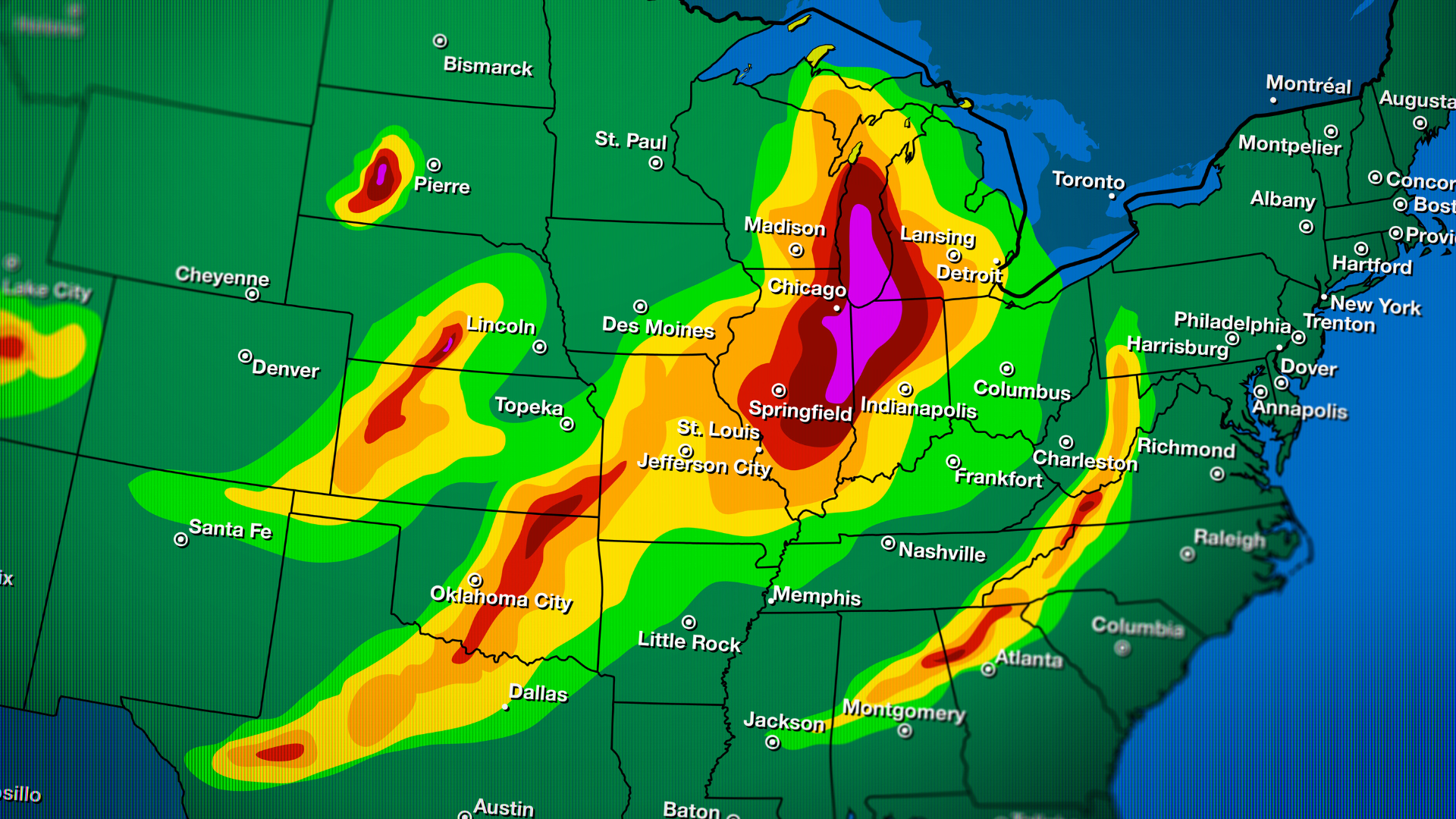
Weather is the invisible hand that moves birds across the landscape. A clear sky with a northwest wind in late September concentrates migrant raptors on ridge lines in numbers that are impossible on calm days. A warm southerly flow in May floods the eastern seaboard with Neotropical warblers overnight. Fog grounds entire flocks of night migrants in unexpected places at dawn. Learning to read weather conditions as a birding tool transforms you from a passive observer into someone who can predict where birds will be before you leave the house.
This guide covers the relationship between weather and migration, how daily weather patterns affect bird activity and visibility, and practical strategies for each major weather condition you will encounter as a North American birder.
How Weather Drives Bird Migration
Migration timing in North America is not primarily driven by photoperiod alone. While changing day length triggers hormonal readiness to migrate, the actual departure decisions of individual birds are strongly influenced by weather conditions. Understanding the patterns that trigger movement, concentrate birds, or ground migrants entirely is one of the most practical skills a birder can develop.
Cold Fronts and Wind Direction
Cold fronts are the engine of fall migration in eastern North America. When a cold front passes, bringing northwest winds behind it, migrating raptors, landbirds, and waterfowl move in concentrated numbers. Hawks riding the updrafts along Appalachian ridges during northwest winds behind a cold front produce the spectacular counts at hawk watch sites like Hawk Mountain in Pennsylvania or Holiday Beach in Ontario. A single good cold front day in October can produce thousands of Sharp-shinned Hawks, Cooper's Hawks, Broad-winged Hawks, and falcons at a well-positioned hawk watch.
In spring, the reverse applies. Warm southerly winds assist Neotropical migrants moving north and concentrate their arrivals on the Gulf Coast and Great Lakes shorelines. Birders monitoring wind direction overnight using weather apps or the BirdCast migration forecast tool can predict whether a productive morning of fresh migrants is likely at their local patch.
- Fall migration: northwest winds behind cold fronts concentrate raptors and landbirds
- Spring migration: warm southerly flow assists Neotropical migrant arrivals overnight
- Strong opposing headwinds slow migration and produce fewer birds in the field
- Light tailwinds produce the heaviest overnight migration movements
Barometric Pressure and Low Pressure Systems
Falling barometric pressure associated with approaching low pressure systems can trigger pre-storm migration movements as birds attempt to move ahead of deteriorating conditions. Birders who watch the barometer can sometimes intercept unusually large movements of landbirds or shorebirds in the 12 to 24 hours before a major storm system arrives. Conversely, low pressure systems associated with easterly or northeast winds in fall produce the rare vagrant birds that get blown off their normal migration routes. These weather-displaced birds, sometimes called megas, are the targets of serious listers who monitor forecast conditions for northeast wind events along the Atlantic coast.
Daily Weather Effects on Bird Activity
Beyond migration, daily weather conditions affect how active and visible birds are during any given outing. Matching your expectations to current conditions makes you a more efficient birder regardless of season.
Fog and Rain
Fog grounds night-migrating birds that cannot navigate by stars or landmarks in zero visibility. This produces fallout conditions where birds that would normally have continued their overnight flight land in concentrated numbers at dawn, often in habitats they would not normally occupy: migrants turning up in parking lot shrubs, on beaches, or in suburban gardens in unusual abundance. Coastal fog sites during fall migration are among the most reliably productive birding environments in North America precisely because of this grounding effect.
Light rain does not significantly suppress bird activity, and many species continue foraging normally through light precipitation. Heavy sustained rain is more inhibiting; feeding activity often drops and birds shelter in dense cover. The period immediately after rain stops is frequently excellent for birding because birds emerge to feed actively after enforced inactivity, often in concentrated numbers at reliable food sources.
- Fog: grounds night migrants, creates fallout conditions, excellent for vagrant finding in fall
- Light rain: minimal effect, birds continue normal activity
- Heavy rain: suppresses activity, birds shelter in cover
- Post-rain period: often excellent feeding activity as birds emerge simultaneously
Wind
Strong wind is generally the most challenging condition for birding. Singing drops sharply as birds conserve energy and communication becomes acoustically difficult. Birds in exposed habitats hunker down or move to sheltered edges. However, wind is simultaneously a powerful concentrating force. During migration, strong winds pin birds to terrain features that provide shelter: woodland edges, sunken lanes, dense coastal scrub, and the leeward sides of ridges all concentrate migrants on windy days. A birder who knows the local geography of windbreaks can do extremely well in conditions that drive other birders home.
Practical Strategies by Weather Condition
Translating weather knowledge into better birding outings requires developing a pre-outing weather reading habit. Before any significant birding session, check overnight wind direction, temperature trends, and precipitation. BirdCast, maintained by the Cornell Lab, publishes real-time migration forecasts and radar summaries during peak spring and fall migration that translate atmospheric conditions directly into expected migration intensity for your region.
- Northwest wind in fall: head to hawk watch sites and exposed ridge tops
- Southerly flow in spring: check reliable migration hotspots at dawn for fresh arrivals
- Pre-storm falling pressure: scan shorebird mudflats and landbird concentration points
- Post-fog or post-rain morning: search coastal scrub and any vegetated edge for grounded migrants
- Calm clear nights in fall: check BirdCast radar for overnight flight intensity to predict next morning's activity
Frequently Asked Questions
What is the best weather for birding?
It depends on the season and goal. For spring landbird migration, calm nights with south winds produce the best overnight movements and the most productive mornings at local patches. For fall raptor watching, northwest winds behind a cold front are optimal. For vagrant hunting, northeast winds after a storm system in fall concentrate displaced birds along the Atlantic coast. No single weather condition is universally best, but understanding the patterns for each season makes you dramatically more effective.
How does weather affect bird migration?
Wind direction determines whether migrants are assisted or hindered in their movement. Cold fronts in fall trigger concentrated southward movement of raptors and landbirds. Warm southerly flows in spring assist northbound Neotropical migrants. Falling barometric pressure before storms can stimulate pre-storm movement. Fog and adverse weather ground night migrants, producing concentrated fallout conditions at dawn.
Does rain affect songbird activity?
Light rain has minimal effect on bird activity and most species continue foraging normally. Heavy sustained rain suppresses activity and drives birds into shelter. The period immediately after rain ends is often particularly productive as birds emerge to feed simultaneously in concentrated numbers. Fog that accompanies rain during migration seasons can ground entire waves of night-migrating songbirds.
How can I use weather forecasts to plan better birding outings?
Check overnight wind direction and temperature trends before any significant outing. During migration seasons use BirdCast, the Cornell Lab's migration forecast tool, which translates radar and atmospheric data into expected flight intensity for your region. Learning to read wind direction, frontal timing, and pressure trends over a full season gives you a reliable predictive framework that pays dividends for the rest of your birding career.
Weather Is Information, Not an Obstacle
The birder who reads weather as a tool rather than a constraint multiplies their productive outings dramatically. Cold fronts become appointments. Fog becomes an invitation to coastal scrub. A southerly flow overnight means waking up an hour early the next morning. Every forecast contains information about where birds are likely to be concentrated, grounded, or moving, and the birder who learns to decode that information is perpetually a step ahead of the calendar. Check the forecast, plan accordingly, and let the atmosphere guide you to the birds.
The allure of off-the-beaten-path travel
Lorem ipsum dolor sit amet, consectetur adipiscing elit ut aliquam, purus sit amet luctus venenatis, lectus magna fringilla urna, porttitor rhoncus dolor purus non enim praesent elementum facilisis leo, vel fringilla est ullamcorper eget nulla facilisi etiam dignissim diam quis enim lobortis scelerisque fermentum dui faucibus in ornare quam viverra orci sagittis eu volutpat odio facilisis mauris sit amet massa vitae tortor.
Unveiling the charm of lesser-known Destinations
Orci sagittis eu volutpat odio facilisis mauris sit amet massa vitae tortor condimentum lacinia quis vel eros donec ac odio tempor orci dapibus ultrices in iaculis nunc sed augue lacus.
- Lorem ipsum dolor sit amet consectetur facilisi etiam dignissim diam quis enim
- Mauris aliquet faucibus iaculis dui vitae ullamco sit amet luctus
- Posuere enim mi pharetra neque proin dic rhoncus dolor purus non enim
- Dui faucibus in ornare posuere enim mi pharetra neque proin dicit
Finding solitude in hidden gem locations
Lorem ipsum dolor sit amet, consectetur adipiscing elit ut aliquam, purus sit amet luctus venenatis, lectus magna fringilla urna, porttitor rhoncus dolor purus non enim praesent elementum facilisis leo, vel fringilla est ullamcorper eget nulla facilisi etiam dignissim diam quis enim lobortis scelerisque fermentum dui faucibus in ornare quam viverra orci sagittis eu volutpat odio facilisis mauris sit amet massa vitae tortor condimentum lacinia quis vel eros donec ac odio tempor orci dapibus ultrices.
The thrill of discovering untouched natural beauty
Dolor sit amet, consectetur adipiscing elit ut aliquam, purus sit amet luctus venenatis, lectus magna fringilla urna, porttitor rhoncus dolor purus non enim praesent elementum facilisis leo, vel fringilla est ullamcorper eget nulla.
- Lorem ipsum dolor sit amet consectetur tempor orci dapibus ultrices
- Mauris aliquet faucibus iaculis dui vitae ullamco elementum facilisis
- Posuere enim mi pharetra neque proin dic fermentum dui faucibus in ornare
- Purus sit amet luctus posuere enim mi pharetra neque proin dic
“Ut enim ad minim veniam, quis nostrud exercitation ullamco laboris nisi ut aliquip ex ea commodo consequat uis aute irure dolor in reprehenderit in voluptate velit”
Exploring cultural marvels off the tourist radar
Donsectetur adipiscing elit ut aliquam, purus sit amet luctus venenatis, lectus magna fringilla urna, porttitor rhoncus dolor purus non enim praesent elementum facilisis leo, vel fringilla est ullamcorper eget nulla facilisi etiam dignissim diam quis enim lobortis scelerisque fermentum dui faucibus in ornare quam viverra orci sagittis eu volutpat odio facilisis mauris sit amet massa vitae tortor condimentum lacinia quis vel eros donec ac odio tempor orci dapibus ultrices in iaculis nunc sed.