
What Is Pishing? How Birders Use It to Attract Songbirds
Learn the pishing technique to attract birds: how it works, step-by-step instructions, best target species like warblers, and ABA ethical guidelines for birders.

You are standing at the edge of a shrubby thicket, certain you heard a warbler in there a moment ago. The vegetation is too dense for a clear view, and the bird has gone quiet. This is exactly the moment when pishing can change everything. Pishing is one of the oldest fieldcraft techniques in birding, a simple imitation sound made with your own voice that can draw curious songbirds out of cover and into the open. Used correctly, it is a legitimate and effective tool. Used carelessly, it can stress birds and damage their behavior. This guide explains exactly what pishing is, how to do it, which species respond, and how to apply it ethically.
What Is Pishing?
Pishing is the act of making a repetitive hushing or scolding sound with your mouth, typically described as a soft pish pish pish or a sharper spish spish spish, to imitate the alarm and scolding calls that small birds make when they detect a predator. The sound triggers a curiosity or mobbing response in nearby birds, drawing them toward the source to investigate the perceived threat.
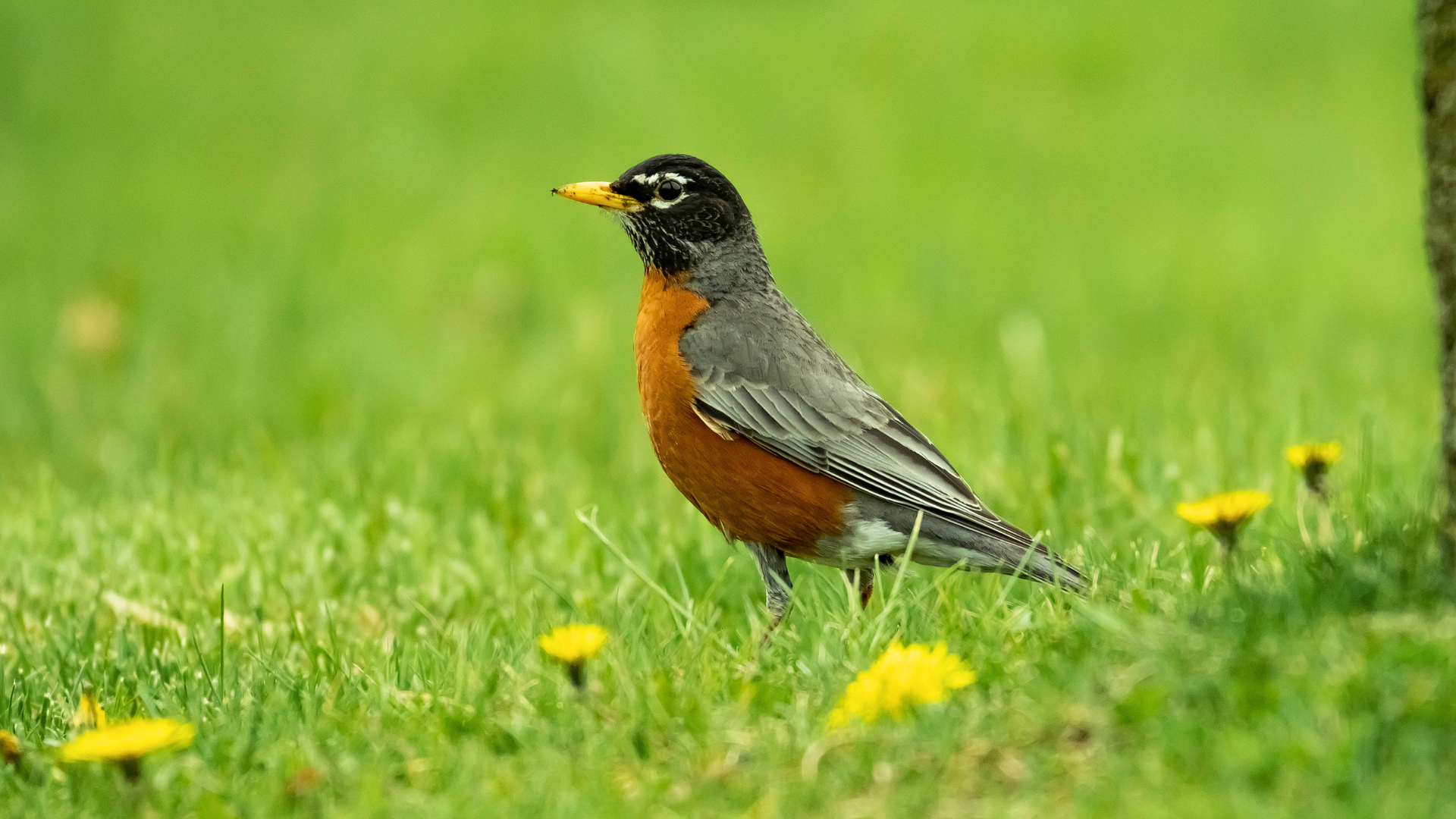
The technique works because many songbirds, particularly chickadees, warblers, vireos, and sparrows, respond instinctively to the alarm sounds of other birds in their community. A scolding flock is a signal that something dangerous is nearby, and birds that move toward that signal can assess the threat, add their own scolding, and potentially drive it away. The birder making the pishing sound becomes the perceived alarm source, and birds that approach offer dramatically better views than they would otherwise provide.
Pishing vs. Spishing: What Is the Difference?
The terms are often used interchangeably, but there is a subtle distinction. Pishing uses a softer, more continuous psssh sound produced by forcing air through nearly closed teeth with the tongue positioned near the roof of the mouth. Spishing adds a sharper s consonant at the start, producing a crispier sound that some birders find elicits stronger responses in certain species. Experiment with both to find which variation works best in your local habitat and with your voice's natural qualities.
- Soft pishing: gentle, continuous, good for timid species in dense cover
- Spishing: sharper and more sibilant, can elicit stronger mobbing responses
- Squeaking: kissing the back of your hand to produce a high-pitched squeal, effective for chickadees and nuthatches
- Lip squeaks: a high-pitched squeaky sound pressed between closed lips, excellent for drawing skulkers
How to Pish Effectively
The mechanics of pishing are simple but technique matters. Stand still at the edge of habitat where you suspect birds are present. Begin with a soft series of pishing sounds, roughly three to five per burst, then pause and listen and watch for two to three seconds. Repeat in short bursts rather than continuous sound. The pauses are as important as the sounds because they give birds time to orient toward you and approach.
Vary your pitch and intensity slightly between bursts. A monotone continuous sound loses its alarm quality quickly; variation maintains the impression of an agitated scolding bird. Some birders add occasional high-pitched squeaks between pishing bursts to heighten the effect. Face the direction of likely bird presence but avoid staring directly into the thicket; peripheral scanning often catches approach movements before a direct stare would.
- Use short three-to-five second bursts followed by two-to-three second pauses
- Vary pitch and intensity slightly to maintain perceived alarm quality
- Stay completely still; movement undermines the technique more than imperfect sound
- Position yourself with your back to open sky so approaching birds have a clear view of the pishing source
- Limit each session to two to three minutes maximum before moving on
Best Target Species for Pishing
Not all birds respond to pishing equally. Species with strong social mobbing instincts and those that travel in mixed foraging flocks show the most consistent responses.
Warblers During Fall Migration
Fall migration is the prime season for pishing warblers. September and October bring waves of warblers through dense shrubby habitat, and mixed foraging flocks containing multiple species are highly pishable. Yellow-rumped Warblers, Common Yellowthroats, Wilson's Warblers, and Black-throated Blue Warblers all respond reliably. In eastern North America, a good pishing session in a coastal migrant trap in September can produce a dozen warbler species in minutes.
Spring migration also works well, particularly in May when male warblers in full breeding plumage are highly territorial and responsive. These birds are primed to investigate potential competitors and predators, making pishing especially effective during this window.
Resident Woodland Species
Chickadees are among the most reliable responders to pishing throughout the year. Black-capped Chickadees in particular seem to take it as a personal challenge, appearing rapidly and often drawing other species in their wake: nuthatches, Downy Woodpeckers, kinglets, and creepers frequently follow chickadee mobs toward a pishing source. This cascade effect makes chickadees the cornerstone species for productive pishing sessions in mixed woodland.
- High responders: Black-capped Chickadee, Yellow-rumped Warbler, White-throated Sparrow, Ruby-crowned Kinglet
- Moderate responders: Red-breasted Nuthatch, Downy Woodpecker, vireos, and most warblers
- Low or no response: raptors, waterfowl, shorebirds, most ground-foraging sparrows in open habitat
- Variable: Song Sparrow responds in some regions; hermit thrushes occasionally investigate from a distance
Ethics and Limits of Pishing
Pishing is widely accepted among birders when used with restraint, but it carries real responsibilities. The alarm and mobbing response it triggers is an energetically costly behavior for birds. Repeated or prolonged pishing can stress individuals, disrupt foraging, and in nesting season potentially expose nest sites to actual predators attracted by the commotion.
ABA Guidelines for Pishing
The American Birding Association's Code of Ethics emphasizes that the welfare of birds must always take precedence over the satisfaction of the birder. Applied to pishing, this means keeping sessions short, avoiding the technique entirely during active nesting from May through July in most of North America, never using it repeatedly in the same location on the same day, and stopping immediately if birds show signs of acute stress such as repeated alarm calling over an extended period or failure to resume normal foraging after the session ends.
Pishing near rare or sensitive species, or in heavily visited public birding locations where dozens of birders may be applying the technique daily to the same individuals, is particularly problematic. Birds at popular birding hotspots may already be subjected to frequent disturbance; adding pishing to that pressure is an ethical concern worth weighing carefully.
- Limit sessions to two minutes or less with pauses between bursts
- Avoid all pishing from May through July during the nesting season
- Never pish repeatedly at the same location on a single outing
- Stop immediately if birds show prolonged distress or fail to resume normal behavior
- Do not pish near active nests or known nest sites
Alternatives to Pishing
For situations where pishing is not appropriate, several alternatives can attract birds without the same disturbance risk. Remaining completely still in suitable habitat for ten to fifteen minutes often produces better results than any active technique, particularly during migration when birds move constantly and may simply pass through your field of view. Learning to identify birds by sound means you can often get a complete species list from a thicket without drawing a single bird into the open. Playback of recorded calls is another option but carries its own stricter ethical guidelines and should be used even more sparingly than pishing.
Frequently Asked Questions
What exactly is pishing in birding?
Pishing is a vocal technique where birders make repetitive scolding or hushing sounds, often described as pish pish pish or spish spish spish, to imitate the alarm calls of small birds. The sound triggers a curiosity or mobbing response in nearby songbirds, drawing them out of cover for better observation.
How do you pish for birds step by step?
Stand still at the edge of suitable habitat. Make three to five pishing sounds in a burst, then pause for two to three seconds to watch and listen. Repeat in short bursts, varying pitch and intensity slightly. Keep total sessions under two minutes. Stay motionless throughout, as movement undermines the effect far more than imperfect sound quality.
Does pishing harm birds?
Pishing triggers an energetically costly alarm response and can stress birds if used excessively. Short sessions in appropriate seasons and locations cause minimal harm. Prolonged or repeated pishing, especially during nesting season or at heavily visited sites, is more problematic. The American Birding Association recommends that bird welfare always takes priority over birder convenience.
What is the difference between pishing and spishing?
Pishing uses a softer continuous psssh sound, while spishing begins with a sharper s consonant for a crispier effect. Both serve the same general purpose of imitating alarm sounds. Many birders experiment with both and find that different species or habitat types respond more strongly to one variation over the other.
Which birds respond best to pishing?
Chickadees are the most reliable responders and often trigger a cascade, drawing nuthatches, woodpeckers, kinglets, and warblers in their wake. Warblers during fall and spring migration respond strongly, especially in mixed foraging flocks. Raptors, waterfowl, shorebirds, and most open-country species show little or no response to pishing.
A Technique Worth Learning, Worth Respecting
Pishing is a genuine birding skill that rewards patience and restraint. The best pishing sessions are those that produce brief, brilliant looks at birds that then return immediately to normal foraging, with no lasting disruption to their day. Master the mechanics, apply it selectively in the right seasons and habitats, and let the ethics guide every session. The birds that pop out of a thicket in response to a well-executed series of pishes deliver some of the most satisfying close views in all of field birding.
The allure of off-the-beaten-path travel
Lorem ipsum dolor sit amet, consectetur adipiscing elit ut aliquam, purus sit amet luctus venenatis, lectus magna fringilla urna, porttitor rhoncus dolor purus non enim praesent elementum facilisis leo, vel fringilla est ullamcorper eget nulla facilisi etiam dignissim diam quis enim lobortis scelerisque fermentum dui faucibus in ornare quam viverra orci sagittis eu volutpat odio facilisis mauris sit amet massa vitae tortor.

Unveiling the charm of lesser-known Destinations
Orci sagittis eu volutpat odio facilisis mauris sit amet massa vitae tortor condimentum lacinia quis vel eros donec ac odio tempor orci dapibus ultrices in iaculis nunc sed augue lacus.
- Lorem ipsum dolor sit amet consectetur facilisi etiam dignissim diam quis enim
- Mauris aliquet faucibus iaculis dui vitae ullamco sit amet luctus
- Posuere enim mi pharetra neque proin dic rhoncus dolor purus non enim
- Dui faucibus in ornare posuere enim mi pharetra neque proin dicit
Finding solitude in hidden gem locations
Lorem ipsum dolor sit amet, consectetur adipiscing elit ut aliquam, purus sit amet luctus venenatis, lectus magna fringilla urna, porttitor rhoncus dolor purus non enim praesent elementum facilisis leo, vel fringilla est ullamcorper eget nulla facilisi etiam dignissim diam quis enim lobortis scelerisque fermentum dui faucibus in ornare quam viverra orci sagittis eu volutpat odio facilisis mauris sit amet massa vitae tortor condimentum lacinia quis vel eros donec ac odio tempor orci dapibus ultrices.
The thrill of discovering untouched natural beauty
Dolor sit amet, consectetur adipiscing elit ut aliquam, purus sit amet luctus venenatis, lectus magna fringilla urna, porttitor rhoncus dolor purus non enim praesent elementum facilisis leo, vel fringilla est ullamcorper eget nulla.
- Lorem ipsum dolor sit amet consectetur tempor orci dapibus ultrices
- Mauris aliquet faucibus iaculis dui vitae ullamco elementum facilisis
- Posuere enim mi pharetra neque proin dic fermentum dui faucibus in ornare
- Purus sit amet luctus posuere enim mi pharetra neque proin dic
“Ut enim ad minim veniam, quis nostrud exercitation ullamco laboris nisi ut aliquip ex ea commodo consequat uis aute irure dolor in reprehenderit in voluptate velit”
Exploring cultural marvels off the tourist radar
Donsectetur adipiscing elit ut aliquam, purus sit amet luctus venenatis, lectus magna fringilla urna, porttitor rhoncus dolor purus non enim praesent elementum facilisis leo, vel fringilla est ullamcorper eget nulla facilisi etiam dignissim diam quis enim lobortis scelerisque fermentum dui faucibus in ornare quam viverra orci sagittis eu volutpat odio facilisis mauris sit amet massa vitae tortor condimentum lacinia quis vel eros donec ac odio tempor orci dapibus ultrices in iaculis nunc sed.