
Ethical Birding in Patagonia: Simple Rules That Matter
Ethical birding in Patagonia follows the same core principles used worldwide. Learn how to respect birds, habitats, and people while enjoying one of the wildest reg
Patagonia often feels endless, wide steppe, massive valleys, and remote forests stretching far beyond the horizon. That sense of space can make it easy to forget that birds here are just as sensitive to disturbance as anywhere else in the world.
Ethical birding in Patagonia isn’t about special local rules. It’s about applying the same principles used by responsible birders globally, with extra awareness for remote and fragile environments.
Respect Birds and Their Space
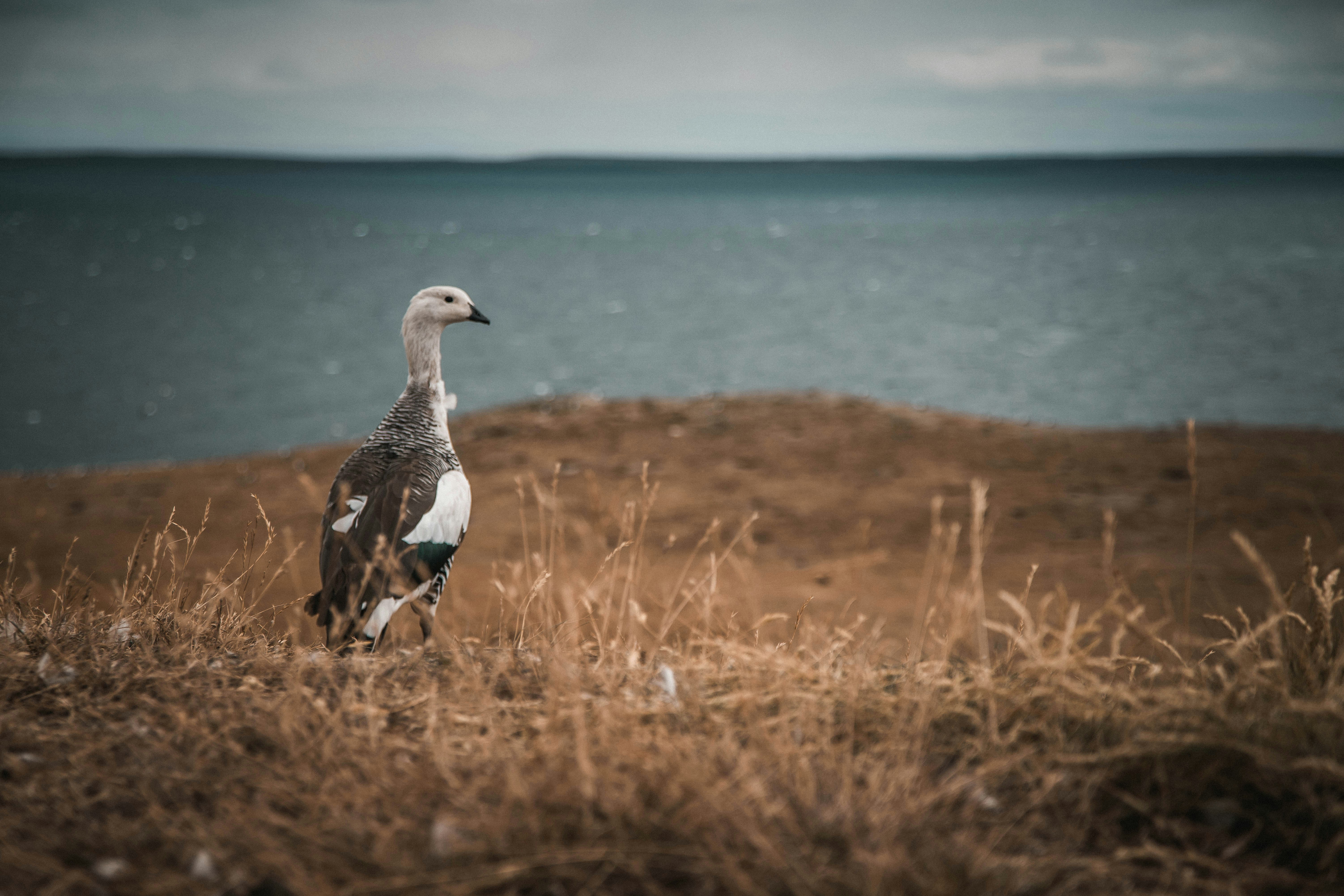
Distance is one of the most important ethical tools a birder has.
- Do not approach birds too closely
- Avoid causing alarm flights or stress behaviors
- Remember that repeated disturbance has real energy costs
This is especially important during the breeding season, when birds are focused on nesting, feeding, and protecting young.
Avoid Excessive Playback and Call Imitation
Playback and call imitation can be disruptive, particularly in Patagonia’s quiet environments.
- Avoid playback altogether during breeding season
- Never use playback on owls
- Do not repeat calls excessively to provoke a response
Owls and other territorial species are especially vulnerable to stress caused by repeated disturbance, both during daytime and at night.
Respect Private Property and Local Rules
Much of Patagonia is a mix of public land and private estancias.
- Respect posted signs and property boundaries
- Do not assume open land means public access
- Follow park and reserve regulations at all times
Responsible access helps maintain positive relationships between birders, landowners, and local communities.
Share Trails and Viewing Areas Thoughtfully
Patagonia’s trails are used by hikers, photographers, locals, and wildlife watchers.
- Do not block trails or viewpoints
- Keep group sizes manageable
- Be mindful of noise levels
Ethical birding includes respecting other people’s experience, not just wildlife.
Leave No Trace
Remote does not mean impact-free.
- Pack out everything you bring in
- Stay on established trails where possible
- Avoid trampling vegetation for a better view
Small actions add up quickly in fragile environments.
Key Takeaways
- Ethical birding in Patagonia follows global best practices
- Distance and restraint protect birds from unnecessary stress
- Avoid playback, especially during breeding season and with owls
- Respect private land, rules, and other trail users
- Responsible behavior helps keep Patagonia wild