
Essential Gear for Birding in Patagonia: What We Actually Use in the Field
The honest gear guide for birding in Patagonia. Binoculars, spotting scopes, clothing, and accessories tested in the field against wind, rain, and dust.
Patagonia will test your gear in ways most destinations never do. The wind arrives without warning and without apology, gusting hard enough to make holding binoculars to your eyes feel like a workout. Rain comes and goes in minutes, soaking everything you have not already protected. The single most important lesson from the field: always have your rain jacket and rain pants within arm's reach, not at the bottom of your pack. And when the wind is howling and you need both hands free to steady your view, a binocular chest harness is worth more than the most expensive optics in the world without one.
This guide covers every piece of gear that actually matters in Patagonia, from the binoculars we use to the lens pen that keeps everything clean when the steppe dust settles on your glass.
Binoculars: The Most Important Decision You Will Make
Patagonia is an optics-intensive destination. The open steppe demands long-range scanning. The Nothofagus forest demands close-focus capability for small, fast-moving birds. The coastal sites demand waterproofing against salt spray and driving rain. Your binoculars need to handle all three environments, often on the same day.
Our Choice: Vortex Viper HD and Razor HD
We use the Vortex Viper HD and Razor HD in the field and recommend both without hesitation for Patagonia. The Viper HD at 8x42 is the working binocular for most conditions: bright, sharp, and fully waterproofed, with enough magnification for open steppe scanning and enough field of view to track fast-moving forest birds. The Razor HD steps up to a higher optical standard for those who want the absolute best image quality at this price point.
Both are fully waterproof and fog-proof, which matters enormously in Patagonia's rapidly changing weather. Both carry Vortex's lifetime warranty, which is genuinely unconditional and genuinely useful for gear that gets used hard in the field.
The honest case for spending more: The Swarovski EL and Zeiss Victory SF at the top end deliver a noticeably better image in low light, which matters in the early morning and late afternoon sessions that produce the best birding in Patagonia. If budget allows, the optical upgrade is real. If it does not, the Vortex range gives you 90 percent of the performance at half the price.
Magnification recommendation: 8x42 is the optimal configuration for Patagonia. The 8x magnification is manageable in wind, which 10x is not. The 42mm objective gives you brightness across the full range of conditions you will encounter.
The Chest Harness: The Most Underrated Piece of Birding Gear
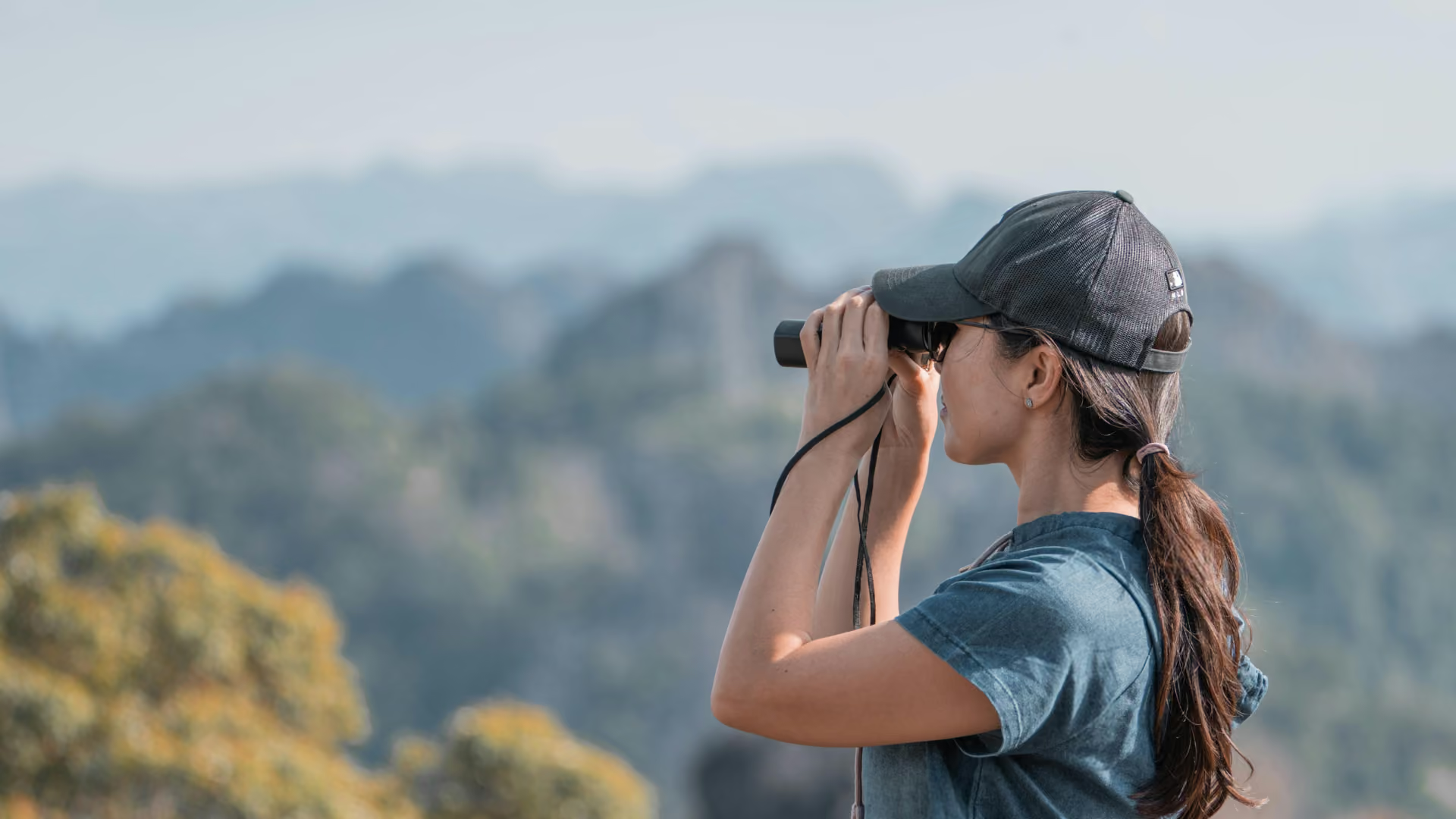
If you are not already using a binocular chest harness in Patagonia, this is the single upgrade that will most immediately improve your field experience. A chest harness holds your binoculars flat against your chest rather than swinging on a neck strap, leaving both hands completely free for a phone, a field guide, a scope, or simply steadying yourself against the wind.
In Patagonian conditions, where gusts regularly hit 60 to 80 kilometres per hour and you are scanning open ridgelines or coastal cliffs for hours at a time, the neck strap becomes a genuine problem. It fatigues the neck, allows the binoculars to swing and impact against your chest, and requires one hand to manage when moving over rough terrain. The chest harness eliminates all of these problems simultaneously. The Vortex and Opticron chest harnesses are both well made, comfortable for full-day use, and compatible with any binocular.
Spotting Scope: Recommended, Not Essential
We did not carry a spotting scope on our Patagonia trips and managed without one. That said, there are specific sites where a scope substantially improves the experience and we would carry one if visiting them as primary targets.
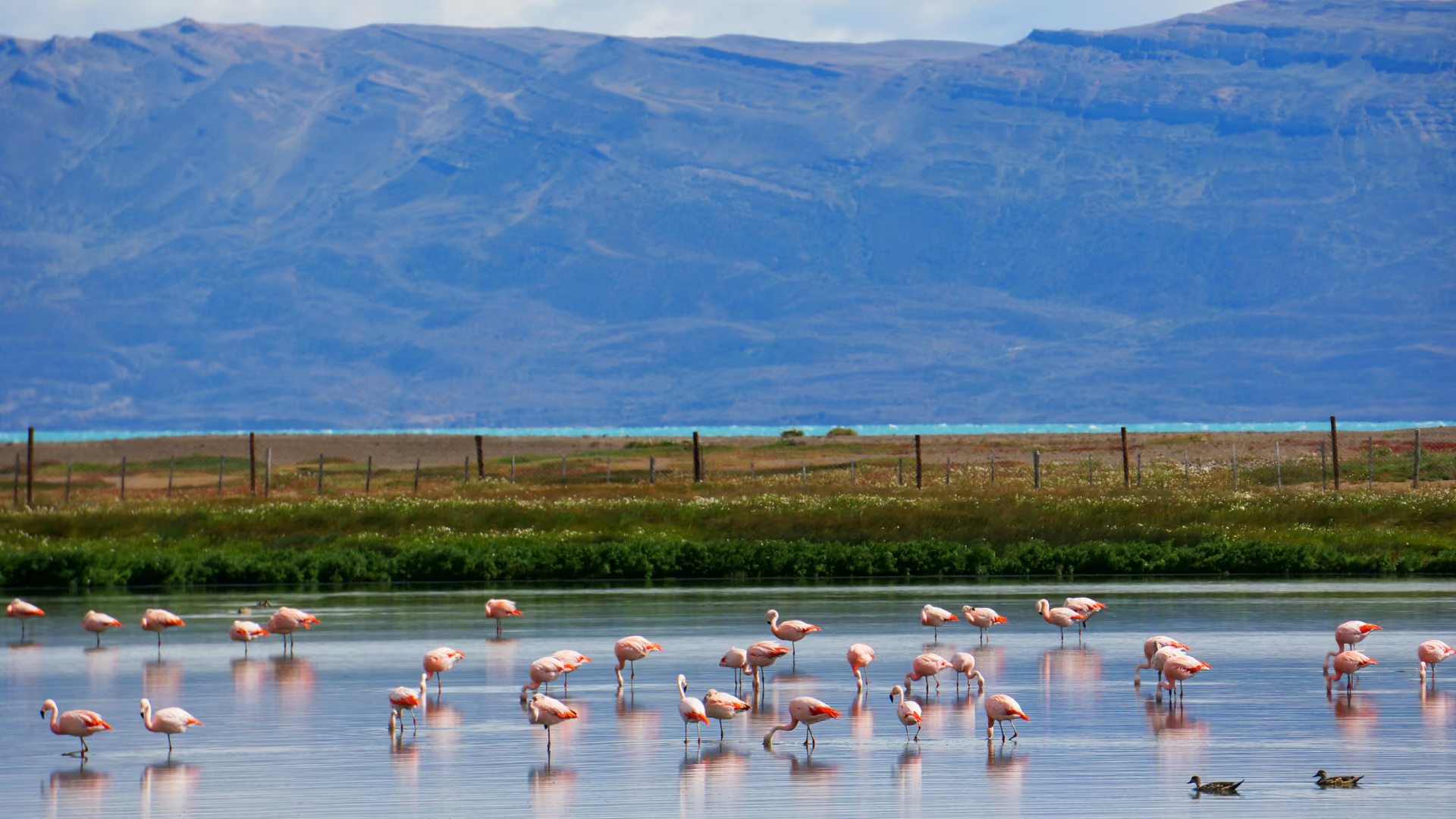
Isla de los Pajaros at Peninsula Valdes is the clearest case. The island is viewed from a mainland tower at significant distance and the flamingo, cormorant, and tern colonies require a scope for detailed observation. Open steppe scanning for distant raptors, Lesser Rhea family groups, and Patagonian Tinamou on the ground is also substantially improved by a scope mounted on a vehicle window mount, turning your rental car into a mobile observation platform on the Torres del Paine steppe road.
The Vortex Diamondback HD spotting scope at 65mm is the best value in the category and handles Patagonia's conditions well. For serious photographers, the Kowa TSN series offers exceptional optical quality for digiscoping.
The Lens Pen: Carry It in Your Pocket, Every Day
The Patagonian steppe produces a fine dust that settles on glass constantly. Coastal sites add salt spray. Rain leaves water marks. Your optics will need cleaning multiple times on any full field day, often in conditions where you cannot safely open a full lens cleaning kit. The Lenspen is the solution. It fits in a jacket pocket, requires no liquid or cloths, and cleans optical glass safely in seconds. We carry one in a jacket chest pocket on every outing without exception. It is one of the cheapest purchases on this list and one of the most used.
Clothing: The Patagonian Layering System
Patagonia's weather changes faster than any other birding destination we have visited. The layering system is not optional. It is the difference between a full productive day in the field and retreating to the car two hours early.
Layer 1: Merino Wool Base Layer
Merino wool is the foundation. It regulates temperature across the full range of Patagonian conditions, from the heat of a still December afternoon on the steppe to the cold of a dawn session at Paso Garibaldi above Ushuaia. It does not absorb odour, which matters on multi-day trips without laundry access. Smartwool and Icebreaker both make excellent merino base layers at reasonable prices.
Layer 2: Hardshell Waterproof Jacket and Pants
This is the most important clothing item for Patagonia. Every day, without exception, your hardshell jacket and pants must be within arm's reach, not packed, not at the lodge, not in the car boot. Rain in Patagonia arrives fast and leaves fast. The birder who has their hardshell in their pack stays dry and productive. The birder who left it at the lodge goes back.
The jacket needs full waterproofing, sealed seams, and a hood that stays in place in wind. The Arc'teryx Beta and Patagonia Torrentshell are both excellent choices. For pants, lightweight packable waterproof trousers that fit over hiking trousers are the most practical solution.
Layer 3: Insulation Mid Layer
A lightweight down or synthetic insulation layer for cold mornings and high-altitude sites. This is the layer you add at Paso Garibaldi, at dawn on the steppe, and on any boat trip. Compressible enough to pack into a jacket pocket when not needed.
Footwear: Waterproof Hiking Boots
The Patagonian steppe looks flat and walkable but hides boggy ground, sharp rocks, and sudden wet sections at every wetland margin and stream crossing. The forest trails are root-strewn and often muddy. Waterproof hiking boots with ankle support are essential for both environments. Salomon X Ultra and Scarpa Zodiac both perform well in Patagonian conditions. Whatever boot you choose, break it in before the trip. Patagonia is not the place to discover new boots cause blisters on a ten-kilometre steppe trail.
Sun Protection: The Steppe Is Brutal
The open Patagonian steppe at latitude 50 degrees south, combined with the thinned ozone layer over the southern hemisphere, produces UV exposure that catches most visitors by surprise. December and January are long days with high UV index and very little shade. A wide-brimmed hat, SPF 50 sunscreen applied before you leave the lodge, and a light UV-protective long-sleeve shirt are not optional for full-day steppe sessions. As we explain in our Best Time to Go Birding in Patagonia guide, December and January are the peak months for both birding and UV exposure.
The Complete Packing List
Optics: Vortex Viper HD 8x42 binoculars. Chest harness. Lenspen. Optional: Vortex Diamondback HD spotting scope with travel tripod.
Digital tools: Phone with Merlin Bird ID South America pack downloaded offline. eBird app. As covered in our Best Field Guides and Digital Tools guide, these two free tools cover 80 percent of your field identification needs.
Clothing: Merino wool base layer. Hardshell waterproof jacket and pants, always accessible. Insulation mid layer. Waterproof hiking boots. Wide-brimmed hat. UV-protective long-sleeve shirt. Touchscreen-compatible gloves for cold dawn sessions.
Pack essentials: Lenspen in chest pocket. Rain gear in top of pack or hip belt pocket. Water bottle minimum 1.5 litres for steppe days. Snacks for long sessions.
One Final Note on Wind
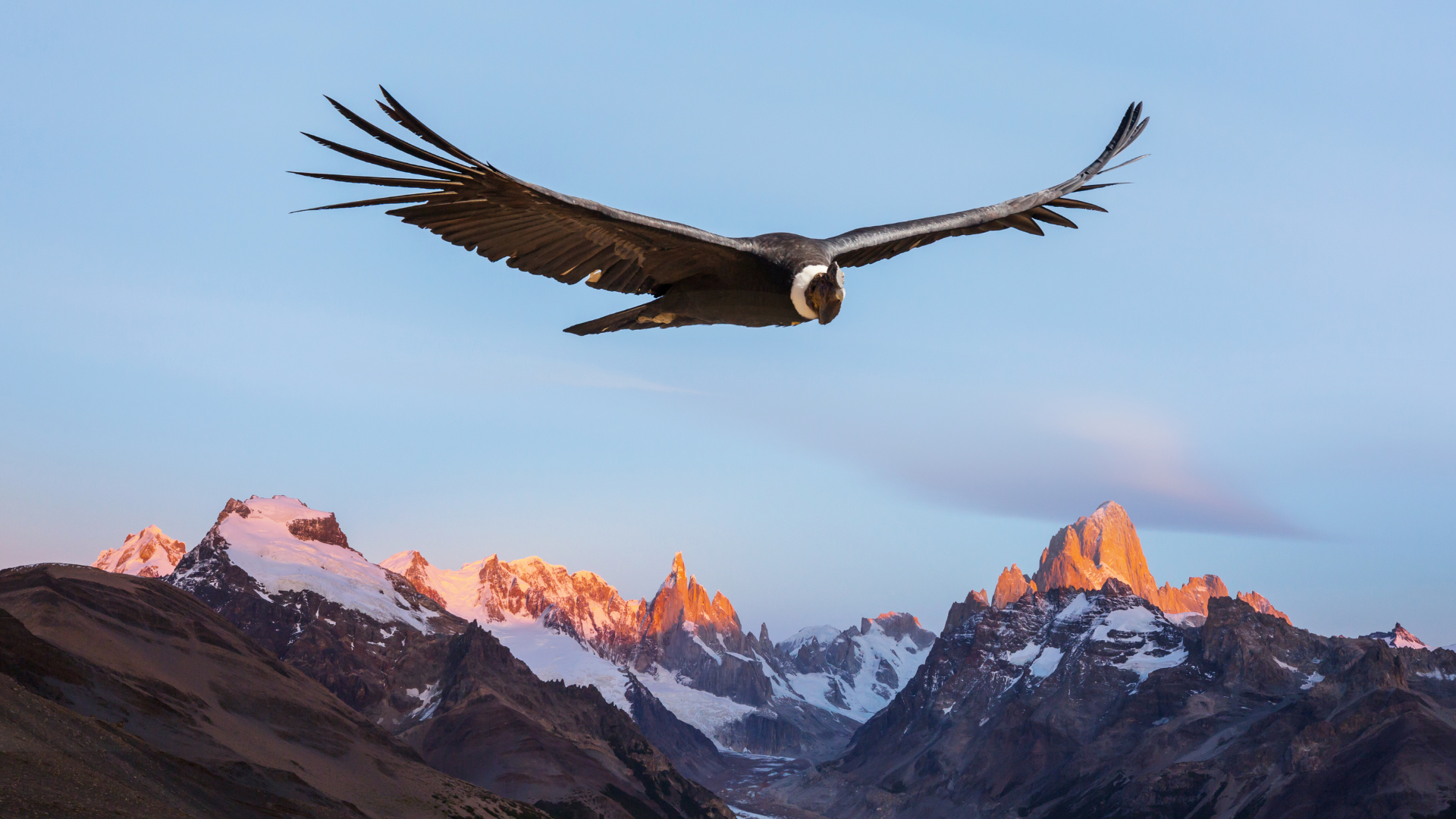
The Patagonian wind will, at some point, make you feel like birding is impossible. Binoculars shaking, birds moving too fast to track, every sound lost in the roar. The experienced field birder's response is to find a sheltered position, lower your stance, and brace against whatever is available. A rocky outcrop, a vehicle door, a hillside that breaks the worst gusts. The wind in Patagonia is not an obstacle to birding. It is part of the landscape you learn to work with rather than against. The condors have been doing it for millions of years. As we show in our Andean Condor guide, they literally depend on it.