
Birding Costanera Sur: A Field Guide to Buenos Aires' Wetland Reserve
Our lagoon-by-lagoon route through Reserva Ecológica Costanera Sur, with where we found Southern Screamers, wood-rails and Red-crested Cardinals, a 90-minute plan and practical tips.
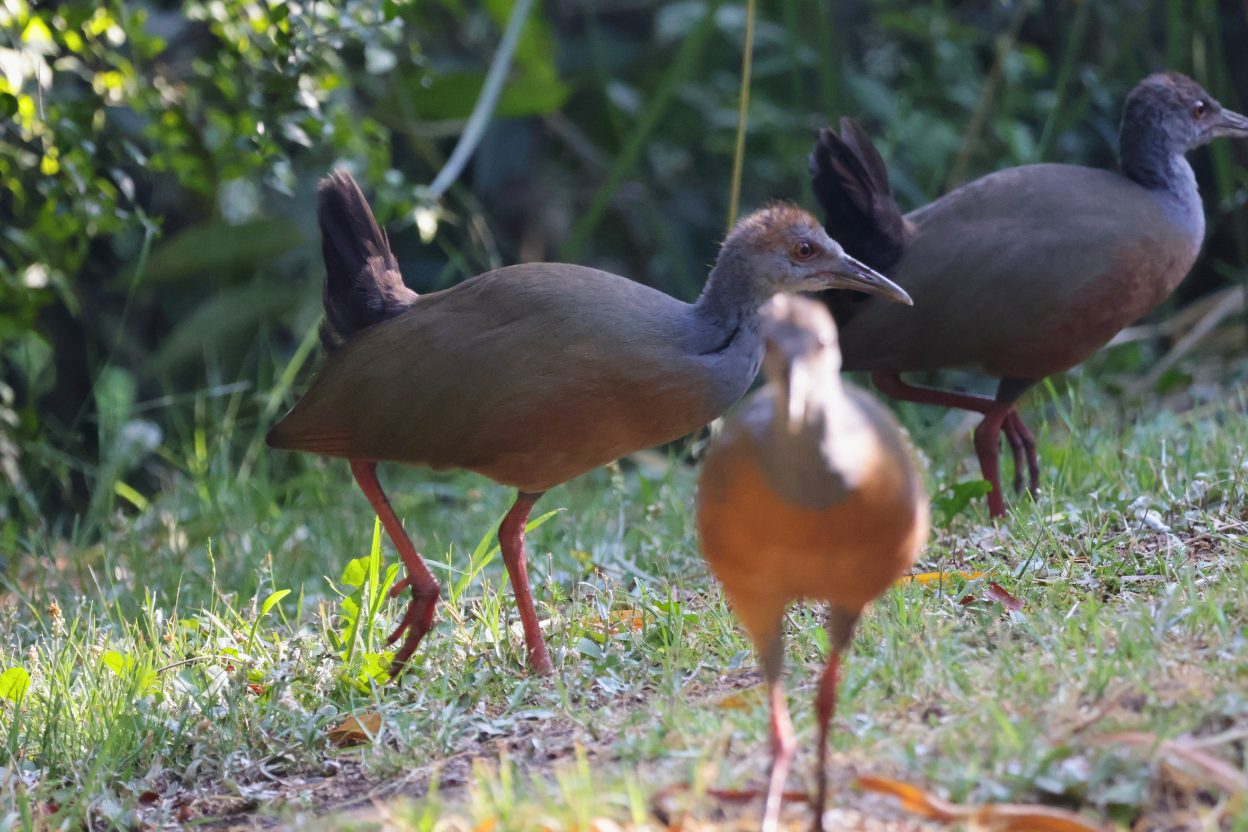
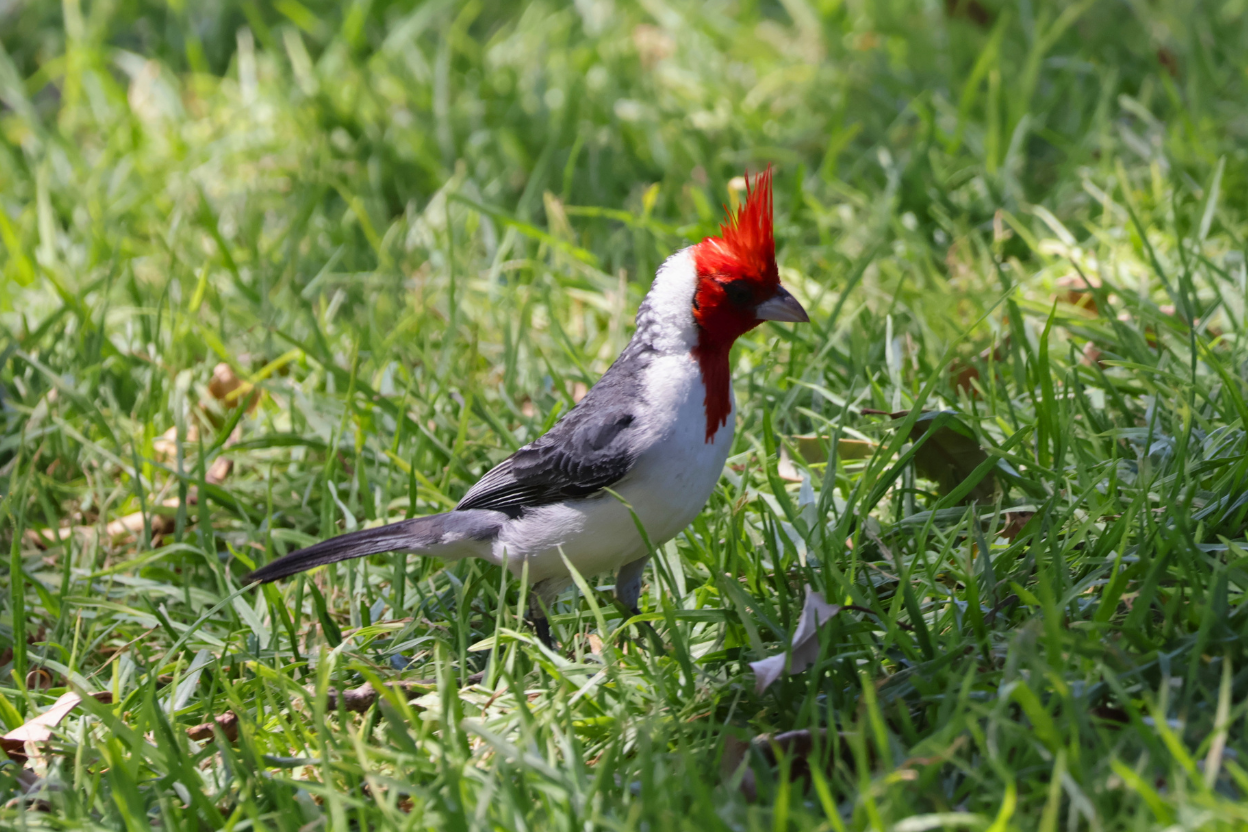
We had been dreaming about Red-crested Cardinals for months before the trip. When one finally showed through the branches at Costanera Sur, calling as it moved, it was one of those moments that make a whole journey worth it. A few minutes later a Gray-cowled Wood-Rail walked out beside the buildings at the entrance, and we could not get over how big it was.
The Reserva Ecológica Costanera Sur is the busiest birding site in Buenos Aires, and you can reach it in a short taxi ride from downtown. Its 350 hectares of lagoons, reedbeds, grassland and riverside woodland sit between Puerto Madero and the Río de la Plata. The city set the land aside in 1986, it became a Ramsar site in 2005, and the city counts more than 340 bird species recorded there. We spent the morning of 16 January 2026 walking it from the south gate: 4 hours 40 minutes, about 8 km and 70 species on our eBird checklist. This guide is the route we would follow again, lagoon by lagoon, with where we found the birds that matter.
Plan your visit
Where to stay: best bases near the reserve
Browse hotels: Buenos Aires on Booking.com
Getting There: Start at the South Entrance
We used the south entrance, the Acceso Sur on Avenida Tristán Achával Rodríguez, and we would use it again. Taxis and Uber drop you right at the gate, and the visitor center is there too. From this gate, the Sendero de los Plumerillos starts the reserve's long loop.
Arrive before the gate opens. Laguna de los Coipos sits right beside the road at the entrance, and it is full of birds at first light. Standing there with a scope or binoculars while the reserve wakes up is the best warm-up we know: you start hearing the calls, get a feel for the place, and are ready to walk in as soon as the gate opens. The north entrance, at the Puerto Madero end of the reserve, works too.
Laguna de los Coipos: Ducks, Swans and a Grebe
Coipos is the pond to work slowly. Its edge has many small nooks and side paths that let you get closer to the water, and each one shows a different corner. This is where we had Rosy-billed Pochard in good numbers, Coscoroba Swan and, very likely on the same water, Black-necked Swan. Egrets work the margins, ducks fill the open water, and it is where we found our White-tufted Grebe.
In the early morning the Gray-cowled Wood-Rails were all over the area around the entrance buildings and the first stretch of trail, walking in the open as if they owned the place.
Laguna de los Patos: Screamers and Limpkins
Laguna de los Patos is a smaller, boggier lagoon, and the track that runs through this wet habitat is one of the best walks in the reserve. This is where we saw Southern Screamers, a big, goose-like bird with a call that carries a long way, along with Limpkins and ibis feeding in the shallows. It was our first Limpkin, and watching it work the mud made the stop.
Laguna de las Gaviotas: Swallows and Flycatchers
If you only add one more lagoon, make it Laguna de las Gaviotas. It is a no-brainer: there is always something going on. Swallows and martins hunt low over the water, and flycatchers were everywhere along the edges on our visit. Fork-tailed Flycatchers stole the show, snapping insects out of the air with those long tail streamers trailing behind.
The Woods and Side Paths
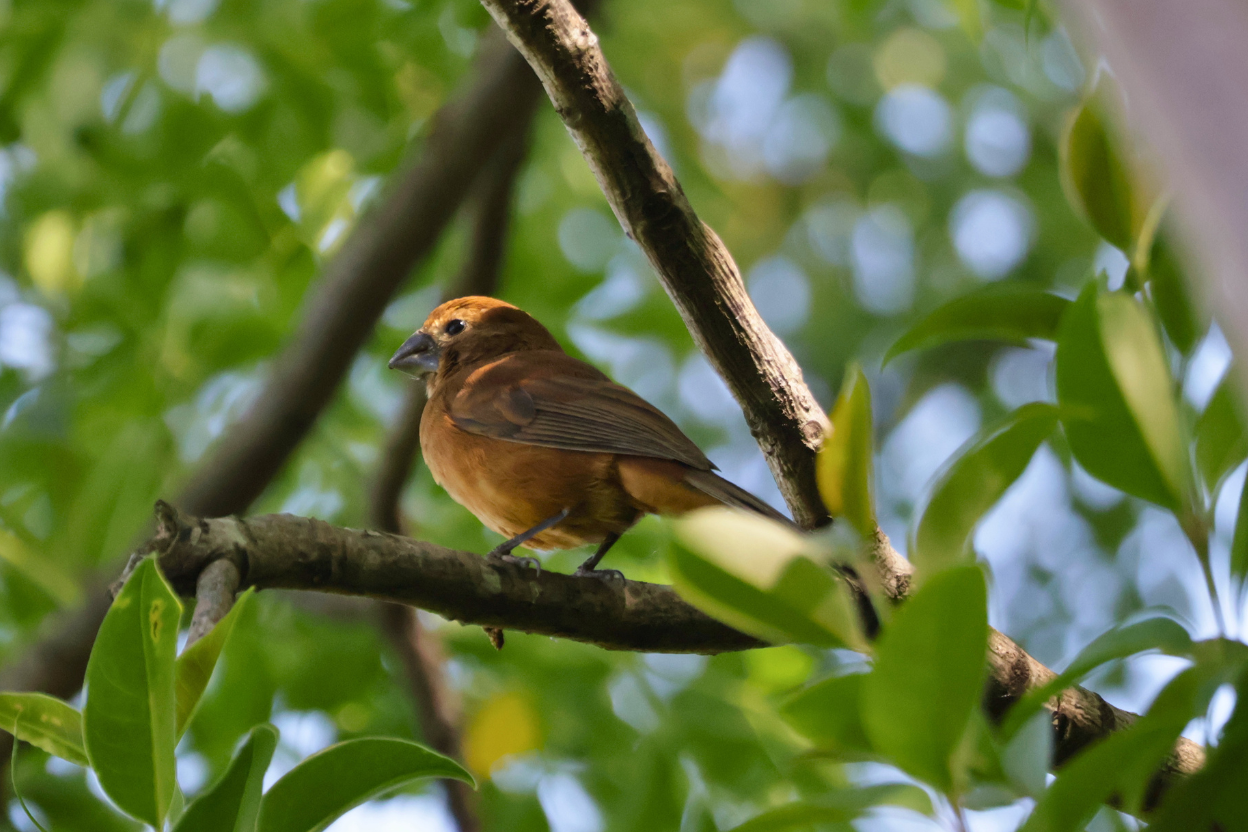
With time to spare, leave the main loop and take the small paths into the wooded sections. That is where the woodland birds are, from the cardinals to the hummingbirds. We went into almost every side path we found, and we found every viewpoint over open ground, scrub or water worth a stop. Look here for Gilded Hummingbird around flowering shrubs, Red-crested Cardinal moving through the branches, and smaller birds such as Masked Gnatcatcher and Golden-crowned Warbler, both on our list that morning. We also photographed a female Ultramarine Grosbeak at the reserve: females are warm cinnamon-brown, nothing like the male's deep blue, so do not dismiss a plain brown bird with a heavy bill.

Five Birds and Where We Found Them
These are the spots where we saw five of the reserve's signature birds. Birds move, so treat each pin as a good place to start rather than a promise.
Southern Screamer (Chauna torquata): Laguna de los Patos. Map pin.
Red-crested Cardinal (Paroaria coronata): in the northern part of the reserve, moving through the branches and calling. Map pin.
Gray-cowled Wood-Rail (Aramides cajaneus): around the buildings and first trail at the south entrance, in the early morning. Map pin.
Gilded Hummingbird (Hylocharis chrysura): on the eastern side of the reserve, toward the river. Map pin.
Rosy-billed Pochard (Netta peposaca): Laguna de los Coipos, by the south gate. Map pin.
We missed some birds too, including Rufescent Tiger-Heron, which shows how much the reserve holds. It takes several visits to learn all its small corners.
If You Only Have 90 Minutes
Start at the south gate. Work the edges of Laguna de los Coipos first, then walk to Laguna de los Patos and take the track through the wet habitat there. Finish at Laguna de las Gaviotas before heading back. That loop covers the wetland birds and most of the action, and it keeps you close to the exit.
When to Go
Time of day: as early as you can. Activity was high from the moment we arrived, and the birds were all over the trails in the first hours.
Opening days and hours: the reserve is open Tuesday to Sunday and on public holidays, and closed on Mondays. Official city pages give an 8 a.m. opening, closing at 6 p.m. in winter and 7 p.m. from November to March, but one 2026 press report gave 9 a.m. to 6 p.m., so check the city's page before you go. It also closes on rainy days, and sometimes the day after, when the dirt trails are too wet.
Season: we visited in January, in the southern summer, when the swallows, martins and flycatchers were everywhere. Expect real heat by late morning.
Practical Tips
Cover your feet and ankles. Wear socks, long pants and good walking shoes. There are tiny biting bugs, almost too small to see, that wait in the vegetation and bite your ankles and feet when you step near them. The itch lasts. Covered up, you can stop anywhere and enjoy it.
Heat and water: Buenos Aires summers are hot. There are restrooms and drinking water in the reserve, but bring your own water and sun protection anyway.
Safety: we walked with a full camera kit and felt safe the whole time. The reserve is quiet, with joggers and families who share the trails respectfully, and we saw security staff along the way. It is still a big city, so use normal care with your gear. Stay on the marked trails; the reserve has venomous snakes, though we saw only a few lizards.
Book a guide if you can. There is so much going on that a local guide will save you time and find the birds you would walk past. We met Agustina, a Buenos Aires guide, leading clients on the trails, and she was a great encounter. She is joining The Birding Insights as a contributor, so you will hear more from her here soon.
Learn a few calls first. Many birds here are easier to hear than to see in the reeds and scrub; our guide to identifying birds by sound is a good place to start. Keep a respectful distance from nesting and roosting birds, as in our ethical birding distance rules.
Where to Stay Near Costanera Sur
Puerto Madero is right next to the reserve, so you can be at the gate before opening without a ride. It is also the priciest area.
San Telmo is a short taxi to the south entrance and usually better value, with plenty of character for the rest of your stay.
Costanera Sur is the first stop in our guide to the best birding spots in Buenos Aires, which covers the city's other reserves and parks. If Buenos Aires is the start of a longer trip south, see our two-week Patagonia birding itinerary.
The map below shows our five bird spots among the hotels around the reserve.
Hotel links on this page are partner links: we may earn a commission if you book, at no extra cost to you.
FAQ
The city counts more than 340 bird species recorded at the reserve. Highlights include Southern Screamer, Rosy-billed Pochard, Coscoroba Swan, Gray-cowled Wood-Rail, Limpkin and Red-crested Cardinal, with swallows and flycatchers over the lagoons in summer.
The reserve opens Tuesday to Sunday and on public holidays, and is closed on Mondays. It also closes on rainy days and sometimes the day after, when the trails are too wet. Sources disagree on the exact opening time, so check the city's official page before you go.
We recommend the south entrance on Avenida Tristán Achával Rodríguez. It is easy to reach by taxi or Uber, and Laguna de los Coipos sits right beside it, so you can start birding the pond before the gate even opens.
In our experience, yes. We walked the reserve with a full camera kit and felt safe throughout, with security staff on the trails and a calm crowd of joggers and families. Use the normal care you would anywhere in a big city, and stay on the marked trails.
Ninety minutes is enough for the three main lagoons from the south gate: Laguna de los Coipos, Laguna de los Patos and Laguna de las Gaviotas. To walk the full loop and explore the side paths, plan on a whole morning; our own visit lasted almost five hours.