
Best Birding Spots in New York City: Migrants, Marshes and the Subway
Five New York City birding hotspots you can reach without a car or a permit, what to see at each, when to go and where to stay.
Most people come to New York City for the museums, the shows or a meeting in Midtown, and never imagine packing binoculars. Yet a free morning here can put you among migrant warblers in the middle of Manhattan, or on a salt marsh with the JFK flight path overhead. If you are in town for something else, or stuck between flights, the city rewards even two hours of birding.
What makes New York different is the combination of the Atlantic Flyway and a dense subway map. Green space is scarce, so migrating birds concentrate in the parks that do exist, and nearly every site below can be reached by public transit. We started from the eBird hotspot rankings for Manhattan and the outer boroughs, then kept only places a visitor can walk into without a permit.
Plan your tripWhere to stay: best bases for birdersBrowse hotels: New York City on Booking.com
When to Go Birding in New York City
Spring is the headline. From late April to late May, warblers, vireos, thrushes and tanagers funnel into the city parks, and the days after a night of south winds can be exceptional. Our guide to using BirdCast explains how to anticipate those mornings. Summer is quieter in the parks, but herons, ibis and terns work the bay, and southbound shorebirds appear at Jamaica Bay from July. Fall migration runs from August to November, longer and less frantic than spring, with sparrows and raptors joining the songbirds. Winter belongs to ducks on the park lakes and sea ducks on the coast, with owls possible for those who search carefully and keep their distance.
The Five Best Birding Spots in New York City
1. Central Park: The Famous Migrant Trap
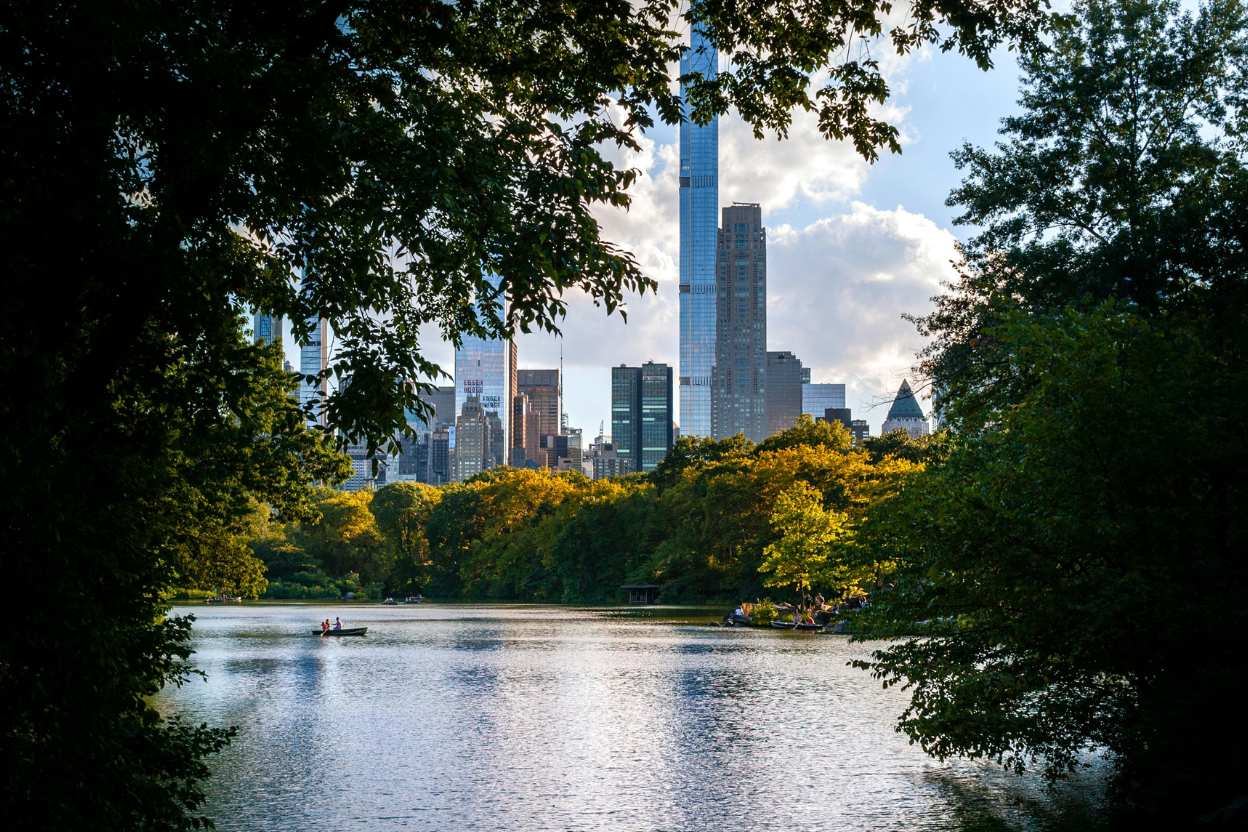
Central Park is the most heavily covered birding site in Manhattan by a wide margin, and in May it earns the attention. Start in the Ramble, the wooded heart of the park between 72nd and 79th Streets, then work north to the Reservoir and the North Woods if time allows. Spring brings Black-and-white Warbler and dozens of other migrants; winter is the time for Hooded Merganser, Wood Duck and Ruddy Duck on the lakes. Red-headed Woodpecker is a scarce visitor worth asking about locally. No permit is needed, and the B and C trains stop along the west side. Arrive at first light, before the runners and the crowds. Our dedicated guide to Central Park in spring goes deeper on routes. Central Park on eBird
2. Prospect Park: Brooklyn's Answer
Designed by the same team as Central Park, Prospect Park has a more natural feel and a large lake that holds birds through the cold months. Look for Wilson's Warbler in migration along the Ravine and Lullwater, and for Northern Shoveler, Ring-necked Duck and Blue-winged Teal on the water in their seasons. The park opens at 6:00 a.m., no permit is required, and the B, Q, 2, 3, F and G trains all serve its edges. The first two hours after opening are the most productive. Restoration work in the Vale of Cashmere, in the north of the park, drew concern from local birders in 2026, so expect possible fencing or disturbance there and check the Prospect Park Alliance site before planning around it. Prospect Park on eBird
3. Jamaica Bay Wildlife Refuge: The Layover Pick
Part of Gateway National Recreation Area, this refuge of salt marsh, ponds and upland scrub is the one place in the city that feels properly wild, and it sits a short taxi ride from JFK. The loop around West Pond is the easy introduction, while East Pond can be excellent for shorebirds in late summer when water levels suit them. Expect Glossy Ibis and American Oystercatcher in the warm months, and Greater Scaup, Redhead, Green-winged Teal and Common Goldeneye from late fall through winter. The A train to Broad Channel leaves you roughly a mile's walk from the visitor center along Cross Bay Boulevard, so a taxi or rideshare is simpler on a short stop. Mornings are best, and a rising tide pushes birds closer. Bring boots for East Pond, and confirm visitor center hours with the National Park Service, since we could not verify them for this season. Glossy Ibis has its own story, told in our piece on its range expansion. Jamaica Bay Wildlife Refuge on eBird
4. Pelham Bay Park: Salt Marsh and Sound
The largest public park in New York City covers forest, meadow, salt marsh and a long shoreline on Long Island Sound in the northeast Bronx. It suits the birder who has already done the famous sites. Scan the Sound from Hunter Island and Twin Islands for Red-necked Grebe in the colder months, and check the rocky edges for Black-bellied Plover, Semipalmated Plover and Spotted Sandpiper in migration. The marsh at Turtle Cove is the place to try for Nelson's Sparrow in fall and Eastern Marsh Wren in the warm months. Take the 6 train to Pelham Bay Park and connect by bus, though service to Orchard Beach varies by season, so check before you go. Mornings are best, and access improvement work around the Orchard Beach area may affect parts of the route. Pelham Bay Park on eBird
5. Green-Wood Cemetery: Quiet Hills in Brooklyn
This historic cemetery combines mature trees, hills and four ponds, and it stays calm even on spring weekends. Migrants move along the ridge and around Sylvan Water, and the site has a record of irruptive and unusual birds, including Evening Grosbeak in flight years. American Woodcock and Red-breasted Nuthatch are among its specialties, and Northern Saw-whet Owl is possible in winter. Monk Parakeets have long been known to nest in the Gothic arch of the main gate at Fifth Avenue and 25th Street, a short walk from the R train. Remember that this is an active cemetery: no bicycles or pets, no running, keep your distance from wildlife and stay respectful around any services. Opening hours change with the season and gates lock on the hour, so check the Green-Wood website first and aim to arrive soon after the gates open. Green-Wood Cemetery on eBird
Bonus Sites
Bryant Park is proof that a Midtown lunch break counts. This tiny square behind the New York Public Library can hold Ovenbird, Common Yellowthroat, Lincoln's Sparrow and Swamp Sparrow during migration, and even the odd American Woodcock resting on the lawns. Bryant Park on eBird
Inwood Hill Park, at the northern tip of Manhattan, keeps the island's last natural salt marsh and a stretch of old forest. Watch for Great Egret, Black-crowned Night Heron and Belted Kingfisher around the inlet, and take the A train to 207th Street. Inwood Hill Park on eBird
Where to Stay for Birding in New York City
Upper West Side for the classic trip. You can walk into Central Park at dawn, and the A and 1 lines run north to Inwood. It is the base we would choose if birding is a main reason for your visit.
Midtown for a mixed trip. Busier and usually pricier, but Bryant Park is on your doorstep, Central Park is a short walk or subway ride away, and every line in the city is within reach. It suits work trips and first-time visitors.
Park Slope and Downtown Brooklyn for value and neighborhood feel. Prospect Park and Green-Wood are both close, the subway reaches Manhattan quickly, and hotels are often easier on the budget than in Midtown.
Near JFK for layovers. Airport hotels around Jamaica in Queens keep you a short ride from Jamaica Bay, the best use of a single night between flights.
The map below pins each birding site in this guide among nearby hotels, so you can match your base to your plan.
Tips for Birding New York City
Use the subway. Every site here can be reached by train, sometimes with a bus or a short taxi at the end, and driving rarely saves time. Go early. The first hours after sunrise matter most in every season, and our note on the best time of day for spring warblers explains why. Learn a few songs first; in leafy May canopies, warbler songs will find you more birds than your eyes will. Check recent eBird checklists for each site before you head out, since the local community reports constantly, and consider one of the birding Discord servers for rare bird news. Give owls and roosting birds space. City birds can draw crowds, and our distance guidelines apply here as much as anywhere; avoid sharing exact roost locations online.
Hotel links on this page are partner links: we may earn a commission if you book, at no extra cost to you.