
Why Birds Fly Into Lights at Night, and How Lights Out Helps
Most songbirds migrate at night and navigate by the stars. We explain how artificial light disorients them, why strikes spike in spring and fall, and the one thing you can do.
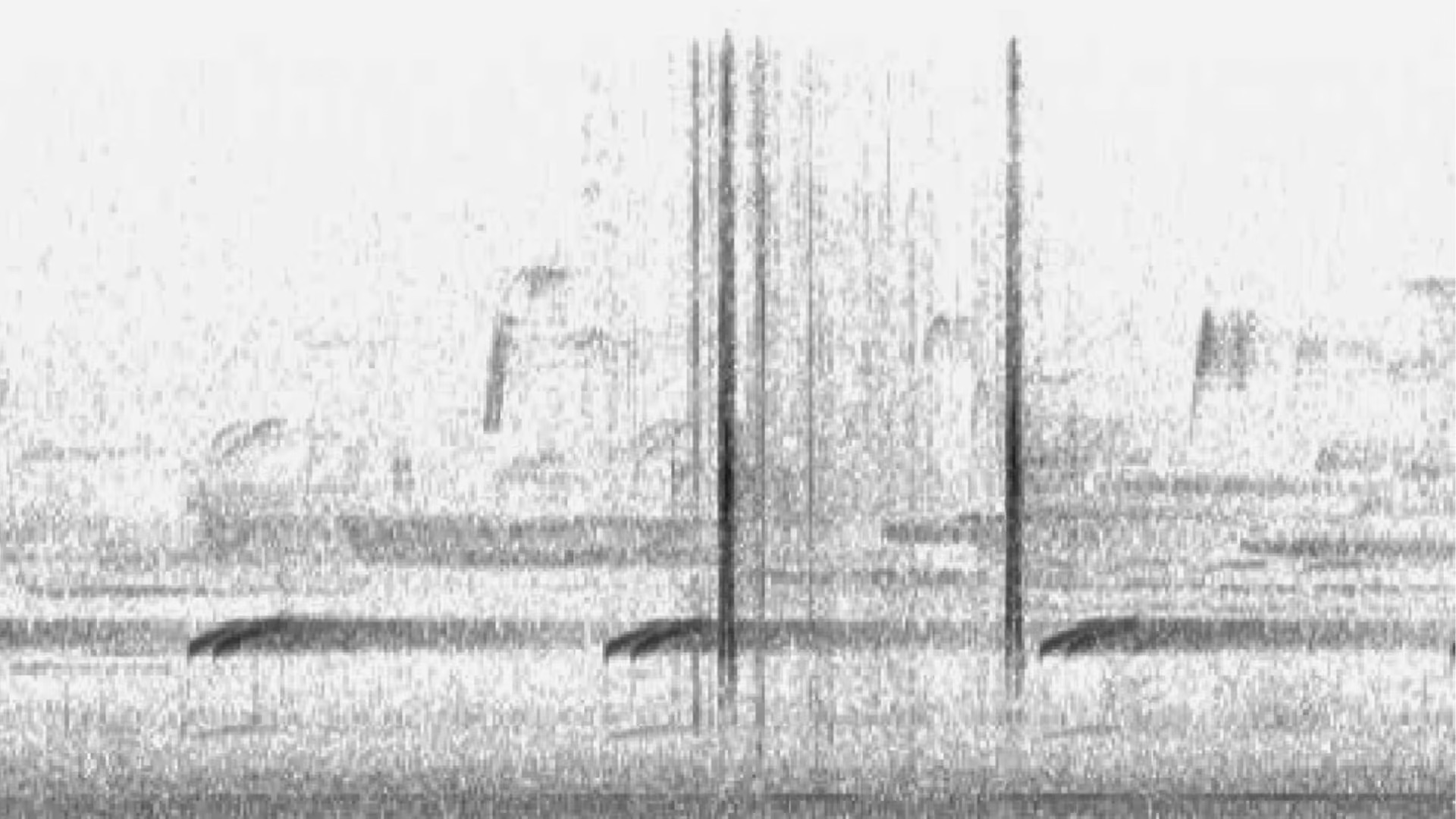
On the best nights of migration we like to stand outside after dark, look up at a sky that seems empty, and just listen. It is not empty at all. Drifting down from the blackness come thin, high call notes, a faint seep and tick from birds we will never see, thousands of them streaming overhead on their way north or south. In a bright city you can sometimes pick out the dry contact calls of Yellow-rumped Warblers among them, a small miracle happening over the rooftops while the streets below carry on unaware. Most of the songbirds we love do their traveling at night, and that single fact is the key to why so many of them die at lights.
This is the nighttime story. Most collisions with glass actually happen by day, for the reflection reasons we explain in why birds hit windows, but the night has its own distinct and deadly mechanism, and it runs on light.
Why birds migrate at night
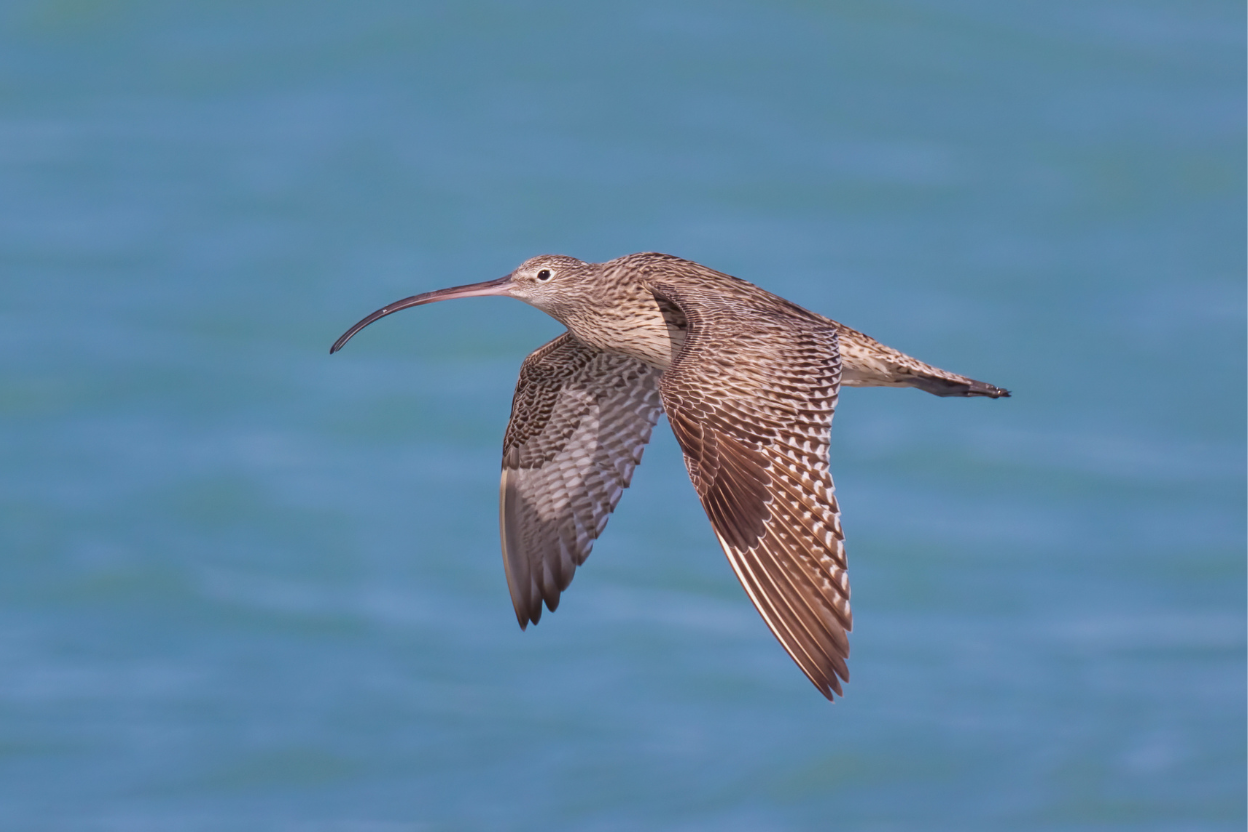
It seems backwards to make a dangerous journey in the dark, but night travel suits a small bird well. The air is cooler and calmer, which makes for easier and less dehydrating flight, and most daytime predators like hawks are not hunting. Crucially, the night sky is also a map. Migrating birds orient using the stars and the way the sky rotates around the celestial pole, the glow of the set sun on the horizon, and the Earth's magnetic field, a suite of cues they have relied on for as long as birds have crossed continents. The flight calls we hear are part of the system too, helping a scattered, mixed flock keep contact through the dark. For millions of years this worked beautifully. Then we lit up the night.
How artificial light pulls them off course
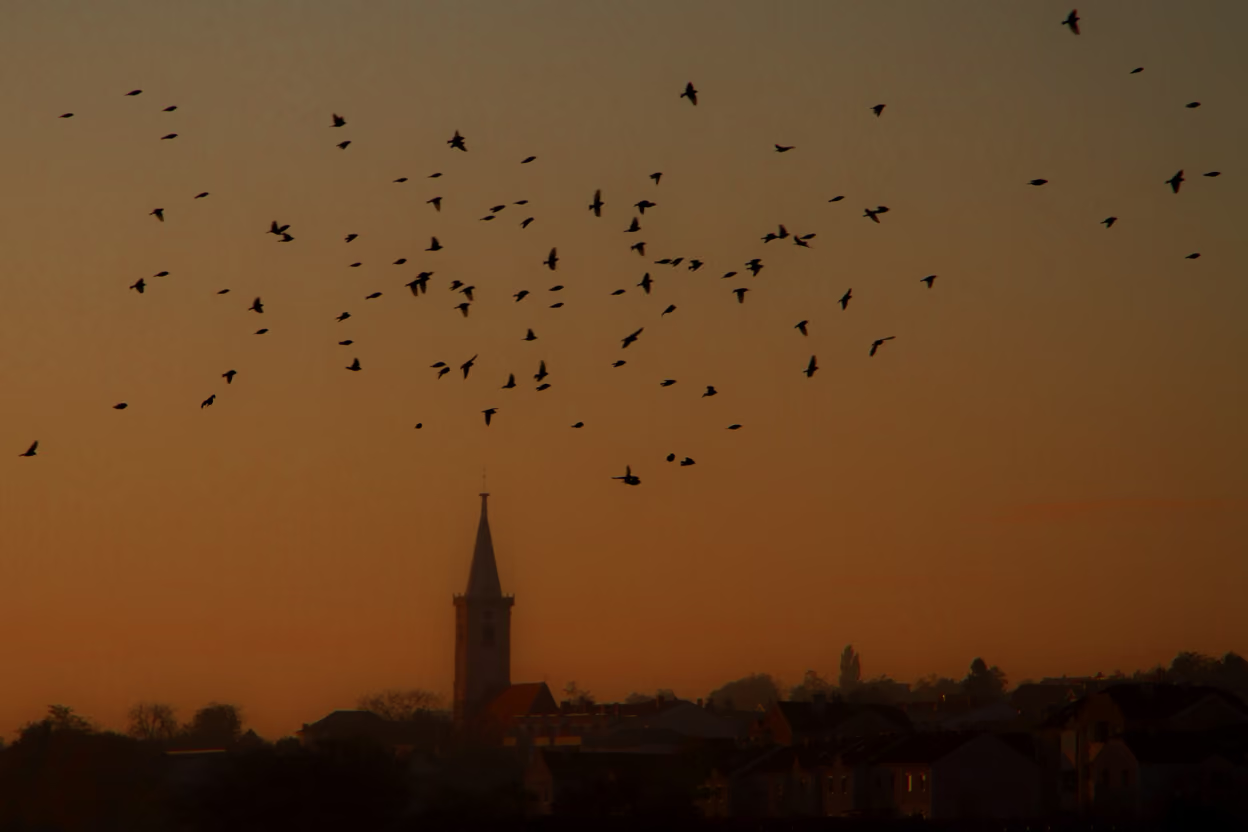
Artificial light at night undoes that ancient navigation. A bright skyglow or a lit building can wash out or compete with the celestial cues a bird is steering by, and the result is disorientation. Powerful lights draw night migrants in from as far as five kilometers away, and once a bird enters the cone of light it often cannot leave, circling the source again and again as if trapped, calling as it goes, which only draws more birds down into the same snare. Scientists honestly still debate how much of this is active attraction and how much is pure confusion, the same unresolved puzzle as a moth at a porch light, but the outcome is not in doubt. Birds caught in light burn the energy they need for migration, and they collide, with the lit structure itself or with the glass around it.
It is worst on nights with low cloud or fog, when birds fly lower and the light scatters through the moisture into a glowing trap. On those nights a single brightly lit building can produce a mass casualty event, hundreds of birds dead beneath it by morning. This is also why light pollution acts as an ecological trap, luring migrants down out of safe airspace into the most dangerous habitat of all, the bright urban core they would otherwise have passed over in the dark.
Why the strikes spike in spring and fall
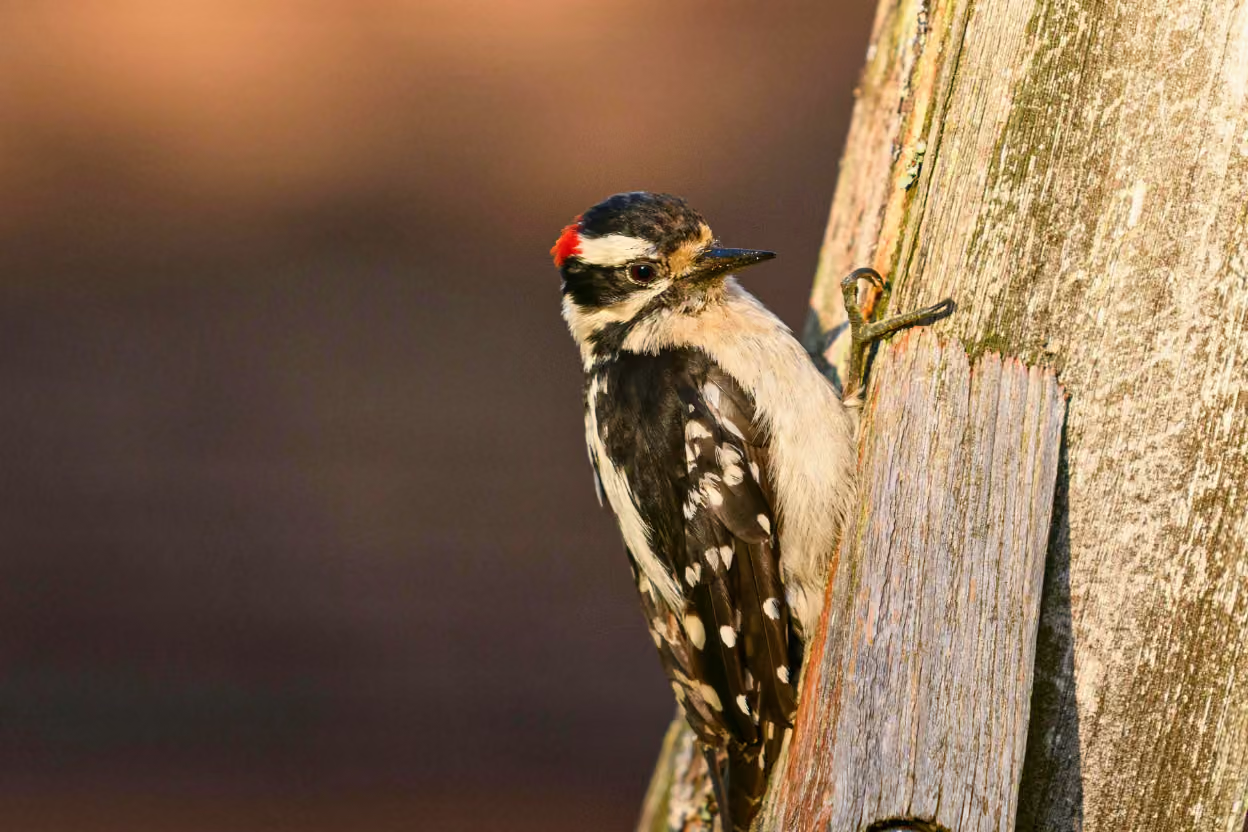
If you track these events through the year, they cluster hard into the two migration seasons, and once you know the rhythm the spikes look entirely normal. The spring surge runs through the first three weeks of May for much of the continent, when the bulk of the songbirds pour north in a few intense pulses, and the fall passage spreads more broadly from late August through October. These are exactly the windows when the night sky overhead is busiest, and so they are when lit buildings do the most harm. The species turning up dead are overwhelmingly the night migrants, the warblers, sparrows, and thrushes gathered in the birds that hit windows most often.
Lights Out, and the one thing you can do
The encouraging part is that this is one of the most fixable problems birds face, because the solution is simply less light. That insight is behind the Lights Out movement, which began in Chicago in 1995 and Toronto in 1997 and has since spread to dozens of cities, where large buildings agree to switch off or dim their lights during migration. It works because the amount of light a building throws into the sky predicts how many birds it kills even better than its height does.
You do not need a skyscraper to help. The single most useful thing any of us can do is turn off unnecessary outdoor and indoor lights on migration nights in spring and fall, draw the blinds on lit rooms, and where a light must stay on, shield it and point it down so it is not spilling up into the flyway. Pair that with making your glass safe, the full toolkit in how to stop birds from hitting windows, and you have addressed both halves of the collision problem, day and night. Set in the wider picture of the causes of bird deaths in North America, flipping a switch is one of the rare conservation actions that is genuinely free, immediate, and entirely within your control.
FAQ
Most songbirds migrate at night and navigate using the stars, the glow on the horizon, and the Earth's magnetic field. Artificial light overwhelms those cues and disorients them, so instead of passing overhead they are drawn toward the light and often circle it, unable to leave. As they circle they burn energy they need for migration and are far more likely to collide with the lit structure or the glass around it.
Yes. Powerful lights can draw night migrating birds in from as far as five kilometers away. Scientists still debate how much of this is active attraction and how much is disorientation, the same unresolved question as a moth at a porch light, but the effect is clear. It is worst on nights with low cloud or fog, when birds fly lower and light scatters through the moisture, and these are the nights when mass collision events occur.
Lights Out is a voluntary effort in which buildings turn off or dim non essential lights during the spring and fall migration seasons to reduce bird collisions. It began in Chicago in 1995 and Toronto in 1997 and has since spread to dozens of cities. It works because the amount of light a building sends into the sky predicts how many birds it kills even better than the building's height does.
Night migration concentrates into two seasons. The spring surge runs through roughly the first three weeks of May across much of the continent, when most songbirds move north in a few intense pulses. The fall passage is more spread out, from late August through October. These windows are when the night sky is busiest and when lit buildings cause the most harm.
The single most useful thing is to turn off unnecessary outdoor and indoor lights on migration nights in spring and fall. Draw the blinds on lit rooms, and where a light must stay on, shield it and aim it downward so it does not spill up into the flyway. Pairing darker nights with bird safe glass addresses both the nighttime and daytime sides of the collision problem.